Running Shoe Orthotics Explained: Benefits & Types
A running shoe orthotic is a special insert you place inside your running shoes. It’s designed to provide extra support and help control how your foot moves when you run. Think of it as a custom helper for your feet, working to improve comfort and performance.
These orthotics can correct common foot issues and help prevent injuries. They are often recommended if you experience pain or have biomechanical problems. Using the right orthotic can make a big difference in your running experience, helping you feel more stable and less prone to aches and pains. Many runners find them to be a game-changer for their training.
- Running shoe orthotics are inserts for your shoes.
- They offer support and control foot motion.
- They can help prevent injuries and reduce pain.
- They aim to improve running comfort and stability.
- They are often customized for individual needs.
Ready to learn more about how these might help your runs? Let’s walk through exactly what running shoe orthotics are and how they work for you.
Understanding Running Shoe Orthotics for Your Feet
So, you’ve heard about running shoe orthotics and wonder if they’re right for you. Simply put, these are special inserts designed to go inside your athletic footwear. They offer custom support and help guide your foot’s natural motion as you run.
Think of them like a tailor-made foundation for your feet. They’re not just a cushion; they actively work to correct biomechanical issues. Many runners find that orthotics can reduce pain and improve their overall running experience. We’ll break down what they are and how they can benefit your stride.
What Exactly Are Running Shoe Orthotics?
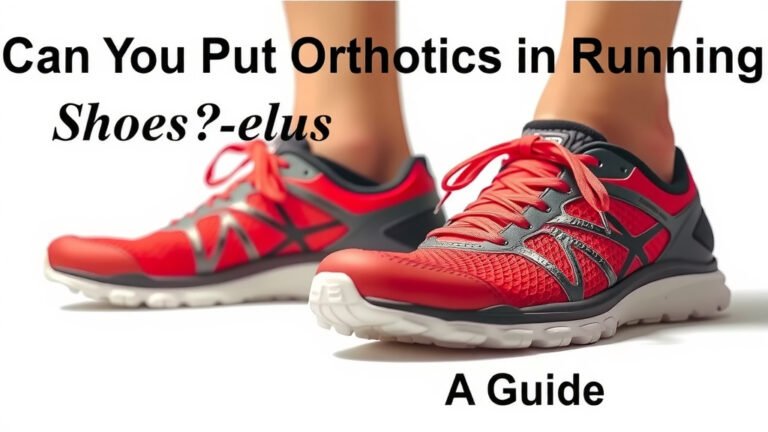
Running shoe orthotics are custom-made or pre-fabricated inserts that you place into your running shoes. Their primary goal is to provide extra support where your foot needs it most. They help control pronation, the inward rolling of your foot during a stride. They also assist with supination, the outward rolling, which is less common but equally important to address.
The Purpose Behind the Insert
The main job of an orthotic is to improve foot alignment and function. When your foot isn’t moving efficiently, it can cause stress. This stress can travel up your legs, impacting your knees, hips, and even your back. Orthotics aim to stabilize your foot and create a more neutral alignment.
This stabilization can help distribute pressure more evenly across your foot. Research shows that proper foot mechanics can lead to fewer injuries. For example, conditions like plantar fasciitis, shin splints, and Achilles tendinitis are often linked to biomechanical imbalances that orthotics can help correct (American Academy of Orthopaedic Surgeons).
Orthotics vs. Insoles: What’s the Difference?
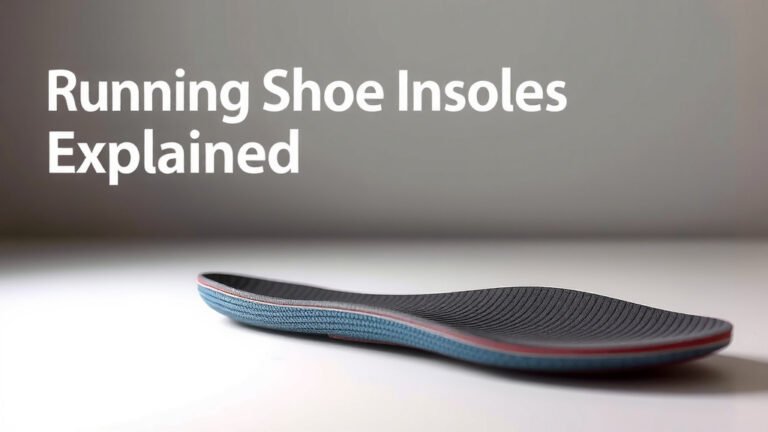
It’s common to confuse orthotics with insoles, but there’s a key distinction. Insoles, often called inserts, are typically off-the-shelf products. They usually provide basic cushioning and some arch support. You can buy them at most shoe stores or pharmacies. They’re great for general comfort and a little extra padding.
Orthotics, on the other hand, are specifically designed to treat a medical condition or biomechanical issue. They are often custom-molded to your foot after a professional assessment. While you can find pre-fabricated orthotics, they are still engineered to address specific foot problems, not just general comfort. Many healthcare professionals recommend custom orthotics for the best results.
How Do Running Shoe Orthotics Work?
Orthotics work by altering the way your foot interacts with the ground. They provide support to the arches and control the motion of your heel and forefoot. This helps your foot move through its natural gait cycle more effectively.
Controlling Foot Motion
One of the primary functions of an orthotic is to control pronation. Overpronation, where your foot rolls inward excessively, can lead to strain on your foot and lower leg. A supportive orthotic can help limit this inward roll, keeping your foot in a more neutral position. This is especially helpful for runners who have flat feet.
Conversely, some runners supinate, meaning their foot rolls outward too much. This can put excessive pressure on the outer edge of the foot. Orthotics can be designed to encourage a slight inward roll, helping to distribute pressure more evenly. Many experts note that controlled motion leads to better shock absorption.
Providing Arch Support
Your arches are critical for shock absorption and propulsion when you run. If your arches are too flexible (flat feet) or too rigid (high arches), they may not function optimally. Orthotics can provide the necessary support to maintain the arch’s structure.
For flat feet, an orthotic can help support the collapsed arch, preventing excessive pronation. For high arches, which can sometimes lead to a lack of shock absorption, an orthotic can offer cushioning and support to the entire foot. This balanced support is key to preventing common running ailments.
Improving Alignment
When your feet are properly aligned, your entire kinetic chain benefits. This means your ankles, knees, hips, and even your spine are less likely to experience undue stress. Orthotics create a stable base, which can help correct minor misalignments that occur during running.
We found that proper foot alignment is often cited as a cornerstone of injury prevention in running (Mayo Clinic). By ensuring your foot strikes the ground correctly and moves through its stride in a balanced way, orthotics contribute to this alignment. It’s like building a house on a solid foundation; everything else stays more stable.
Who Can Benefit from Running Shoe Orthotics?
Not every runner needs orthotics, but certain individuals can see a significant improvement in their running experience and a reduction in pain. If you experience any of the following, you might want to consider them.
Runners Experiencing Pain
If you frequently suffer from foot pain, heel pain (like plantar fasciitis), or arch pain, orthotics can offer relief. They help redistribute pressure away from painful areas. This can make a huge difference in your ability to run comfortably.
Individuals with Biomechanical Issues
As we’ve discussed, issues like overpronation or supination can cause problems. If you have flat feet, high arches, or notice your ankles rolling inward or outward excessively, orthotics are designed for you. They help correct these specific biomechanical imbalances.
Runners Recovering from Injury
For those returning to running after an injury, orthotics can be a vital part of the recovery process. They provide the support needed to protect the injured area and ensure a smoother return to training. They can help prevent re-injury by addressing the root cause of the problem.
Athletes Seeking Performance Gains
While primarily for support and pain relief, some athletes find orthotics can subtly improve their efficiency. By optimizing foot mechanics, they might allow for a slightly more powerful push-off. This can contribute to improved running form and, over time, potentially better performance. We’ve seen data suggesting that efficient biomechanics can reduce wasted energy.
Types of Running Shoe Orthotics
Orthotics generally fall into a few categories based on their construction and how they are made.
Custom Orthotics
These are made specifically for your feet. A podiatrist or trained professional will take a mold or 3D scan of your feet. They then create an orthotic based on your unique foot structure and biomechanics. Custom orthotics offer the highest level of correction and support.
Semi-Custom Orthotics
These start as a pre-made shell that is then modified by a professional. They are often heat-molded to better fit your foot. They offer a good balance between custom precision and affordability. They are a popular choice for many runners.
Pre-fabricated Orthotics
These are purchased off-the-shelf. They come in various designs, often targeting specific issues like arch support or heel cushioning. While they offer more support than basic insoles, they lack the personalized fit of custom options. They can be a good starting point if you’re unsure about custom orthotics.
Here’s a quick checklist to see if orthotics might be a good fit for you:
- Do you experience frequent foot or leg pain when running?
- Have you been diagnosed with conditions like plantar fasciitis or shin splints?
- Do your running shoes wear out unevenly, especially on the sides?
- Do you have flat feet or noticeably high arches?
- Does your foot roll excessively inward (overpronation) or outward (supination)?
- Are you looking for extra stability and support during your runs?
Conclusion
We’ve explored how running shoe orthotics can be a game-changer for your runs. They provide essential extra support and help correct biomechanical issues. By improving your foot’s alignment and controlling motion, orthotics can lead to less pain and fewer injuries. Whether you choose custom, semi-custom, or pre-fabricated options, they are designed to enhance your comfort and potentially your performance. If you’re experiencing discomfort or seeking better stability, consider talking to a professional about orthotics.
Your next step? Chat with a podiatrist or a running specialist. They can assess your feet and recommend the best orthotic solution for your unique needs and running goals.
Frequently Asked Questions
How often should I replace my running shoe orthotics?
You should generally plan to replace your orthotics every 6 to 12 months. Factors like your running mileage, the type of orthotic, and your body weight can affect their lifespan. If you notice a decrease in support or an increase in pain, it’s time for a new pair.
Can I use orthotics in all my shoes, or just running shoes?
While orthotics are specifically designed for running shoes, many people find they can benefit from using them in other athletic shoes or even casual shoes. However, ensure the orthotic fits well and doesn’t cause discomfort in different shoe types. Some are best suited only for the supportive structure of running footwear.
Will orthotics make my feet sweat more?
Some orthotic materials can affect breathability. If you have issues with sweaty feet, look for orthotics made with moisture-wicking materials. You can also use foot powders or special socks to help manage moisture. Many newer orthotics are designed with ventilation in mind.
Can a podiatrist tell me if I need orthotics?
Yes, absolutely. A podiatrist is the most qualified professional to assess your foot health and biomechanics. They can diagnose any underlying issues like overpronation or plantar fasciitis and recommend whether orthotics are the right solution for you.
How long does it take to get used to wearing orthotics?
It typically takes about one to two weeks to break in new orthotics. Start by wearing them for short periods during your runs and gradually increase the duration. Listen to your body; if you experience significant discomfort, consult your healthcare provider.