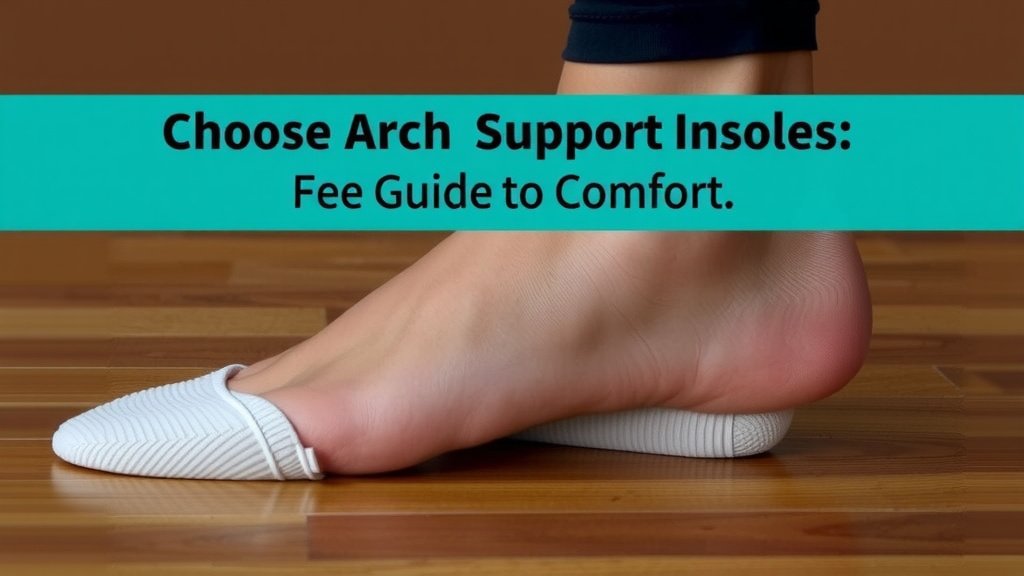
Choose Arch Support Insoles: Your Guide to Comfort
Choosing the right arch support insoles can make a huge difference for your foot health and overall comfort. Look for insoles that match your arch type and provide the right level of support for your activity. This means considering whether you have high, neutral, or flat arches.
Many people struggle with foot pain because they don’t have adequate support. Wearing shoes without proper arch support can lead to issues like plantar fasciitis and general foot fatigue. Finding the best insoles can help alleviate discomfort and improve your posture.
- Match insoles to your arch type (high, neutral, flat).
- Consider your activity level (walking, running, standing).
- Look for good cushioning and shock absorption.
- Ensure a comfortable fit in your shoes.
Ready to find the perfect pair? Let’s walk through exactly how to choose the best arch support insoles for your needs.
Finding the Right Arch Support Insoles
Picking the perfect arch support insoles can feel overwhelming, right? But don’t worry, you’re in the right place. We’re going to break it down. Think of insoles as the unsung heroes for your feet. They can transform tired, achy feet into happy, comfortable ones.
The first step is understanding your own feet. This is super important. It guides you to the insoles that will actually help, not just sit there. Let’s get started with the basics.
Know Your Arch Type: The Foundation of Comfort
Your arch is the curved part of the bottom of your foot. It’s like a natural shock absorber. Knowing its shape is key to choosing the right support. Many experts suggest that understanding your arch type is the most critical factor when selecting insoles (American Podiatric Medical Association).
Flat Arches (Low Arches)
If the arch of your foot almost completely touches the ground when you stand, you likely have flat arches. People with flat feet often overpronate, meaning their foot rolls inward excessively. This can put extra stress on your ankles, shins, and knees. You’ll want insoles with firm, structured support. These often have a deep heel cup and a strong, rigid arch. This helps control motion and prevent excessive inward rolling.
High Arches
With high arches, there’s a significant curve under your foot. Your foot might not absorb shock very well. This means more impact travels up your legs. People with high arches often supinate, or their foot rolls outward. You’ll need insoles that offer good cushioning and shock absorption. Look for flexible support that doesn’t feel too rigid. This helps distribute pressure evenly and adds comfort.
Neutral Arches
If you have a neutral arch, your foot has a moderate curve. It typically lands with good shock absorption and minimal rolling. Most standard shoes will feel comfortable for you. For insoles, you have more options. You can choose insoles for added comfort or extra support depending on your daily activities. Many people with neutral arches still benefit from a bit more cushioning, especially if they’re on their feet a lot.
Quick Arch Test: Dip your foot in water and step onto a piece of cardboard or dark paper. Look at the footprint. A full footprint means flat arches. A footprint with a very thin line connecting the heel and toes suggests high arches. A footprint showing about half of your arch is a neutral arch.
Consider Your Activity Level and Shoe Type
Where will you wear these insoles? What will you be doing in them? This information helps narrow down your choices. The right insole for a marathon runner will be different from one for a nurse who’s on their feet all day.
For Everyday Walking and Standing
If you spend most of your day walking or standing, comfort is king. You’ll want insoles that offer a good balance of cushioning and support. They should absorb shock from impact with the ground. Think of them as adding a plush layer to your shoes. Many companies offer “all-day comfort” insoles designed for this purpose.
For Running and Sports
Athletes need insoles that can handle high impact and dynamic movements. For runners, look for insoles that offer excellent shock absorption and energy return. These can help reduce fatigue and improve performance. They are often made from lighter, more responsive materials. Stability is also important, especially for sports that involve quick turns or jumps.
For Work Shoes and Boots
If your work requires sturdy shoes or boots, these can sometimes be stiff. Adding insoles can significantly boost comfort. For jobs where you stand for long periods, like in healthcare or retail, you need insoles that provide sustained support and cushioning. If your work boots are particularly rigid, you might need a more flexible insole that still offers good arch control.
For Dress Shoes and Flats
Dress shoes and flats often lack built-in support. This is where insoles can be a lifesaver. However, these shoes usually have less space. You’ll want to look for slim-profile insoles. They should be thin enough to fit without making your shoes too tight. Many are designed to be discreet and provide comfort without adding bulk.
Key Features to Look For in Insoles
Once you know your arch type and activity, you can focus on the specific features of the insoles themselves. Not all insoles are created equal!
Material Matters: Cushioning vs. Firm Support
Insoles are made from a variety of materials. Some are soft and foamy, offering plush cushioning. Others are firmer, made from rigid plastic or carbon fiber, providing maximum stability. Many high-quality insoles use a combination of materials. This allows them to offer both shock absorption and arch support. For instance, a gel or foam layer might provide cushioning, while a firmer plastic shank offers structural support.
Heel Cup Depth and Stability
The heel cup is the part of the insole that cradles your heel. A deep heel cup helps to stabilize your heel and control pronation. It keeps your foot properly aligned. For those who need extra stability, a deeper, more structured heel cup is usually recommended.
Durability and Longevity
Good insoles are an investment. They should be durable enough to withstand regular use. Check reviews or product descriptions for information on how long they are expected to last. Most manufacturers suggest replacing insoles every 6 to 12 months, depending on usage and material. Some materials wear out faster than others. You want an insole that maintains its shape and support over time.
Fit in Your Shoes
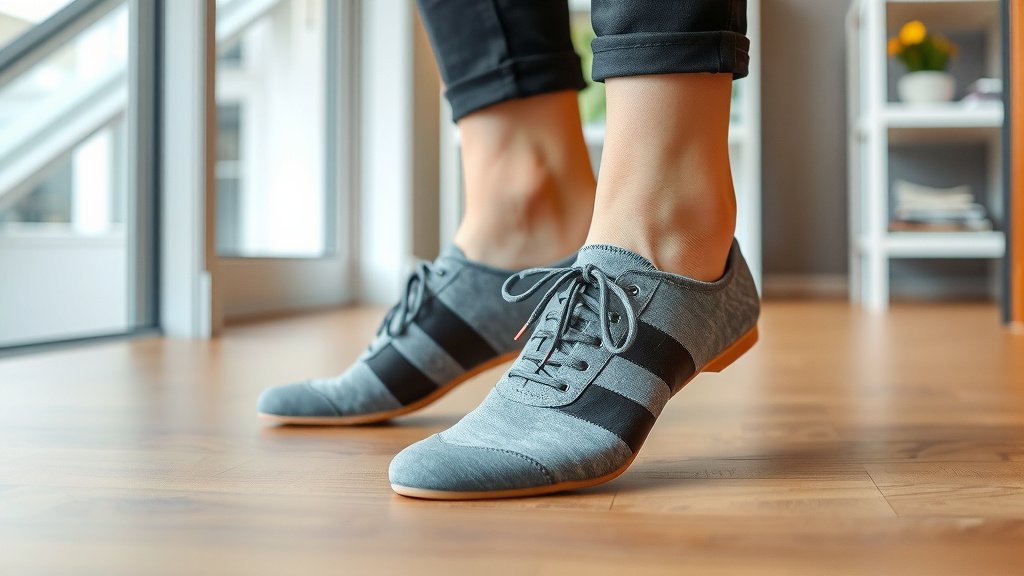
Even the best insole won’t help if it doesn’t fit your shoe properly. It should take up most of the sole of your shoe without bunching up or causing your heel to slip. If an insole is too long, it can curl up and create pressure points. If it’s too wide, it might not sit flat. Many insoles come in various sizes, and some can even be trimmed to fit. Always measure your shoe’s interior or compare the insole to your current shoe’s existing insole.
A Quick Checklist for Choosing Your Insoles
To make your decision easier, here’s a quick rundown of what to consider:
- Do you know your arch type (flat, neutral, high)?
- What are your main activities (walking, running, standing all day)?
- Does the insole offer the right balance of cushioning and support?
- Is the heel cup deep enough for your needs?
- Will it fit comfortably in your favorite shoes?
- Are there good reviews about its durability?
Conclusion
You’ve learned how to pick the best arch support insoles for your feet. It all starts with knowing your arch type and activity level. Matching these to the right features like cushioning and heel cup depth makes a difference. Don’t forget to check for a proper fit in your shoes. Taking these steps ensures you get insoles that provide lasting comfort and support. Your next step is to perform the simple water test to identify your arch type and start shopping for insoles that feel just right for your everyday adventures.
Frequently Asked Questions
How often should I replace my arch support insoles?
You should plan to replace your insoles every 6 to 12 months. This timeline can vary based on how often you use them and the materials they’re made from. Worn-out insoles lose their effectiveness for support and cushioning.
Can I use the same insoles for running and walking?
While some insoles offer versatility, it’s best to choose insoles specifically designed for your primary activity. Running insoles often provide more shock absorption and energy return than those for casual walking.
Are custom insoles better than over-the-counter options?
Custom insoles are molded to your specific feet and can be very effective. However, high-quality over-the-counter insoles, chosen based on your arch type and needs, can also provide excellent support and comfort for many people.
My shoes feel too tight with insoles. What can I do?
If your shoes feel too tight, you might need slimmer, low-profile insoles. You could also consider removing the shoe’s original insole if it’s not a solid piece. Ensuring the correct size insole is also important to avoid bunching.
What if I have foot pain but don’t know my arch type?
If you experience persistent foot pain and are unsure about your arch type, consulting a podiatrist is highly recommended. They can accurately diagnose any issues and suggest the best type of support for your specific condition.