
Plantar Fasciitis Running Shoes: Your Guide
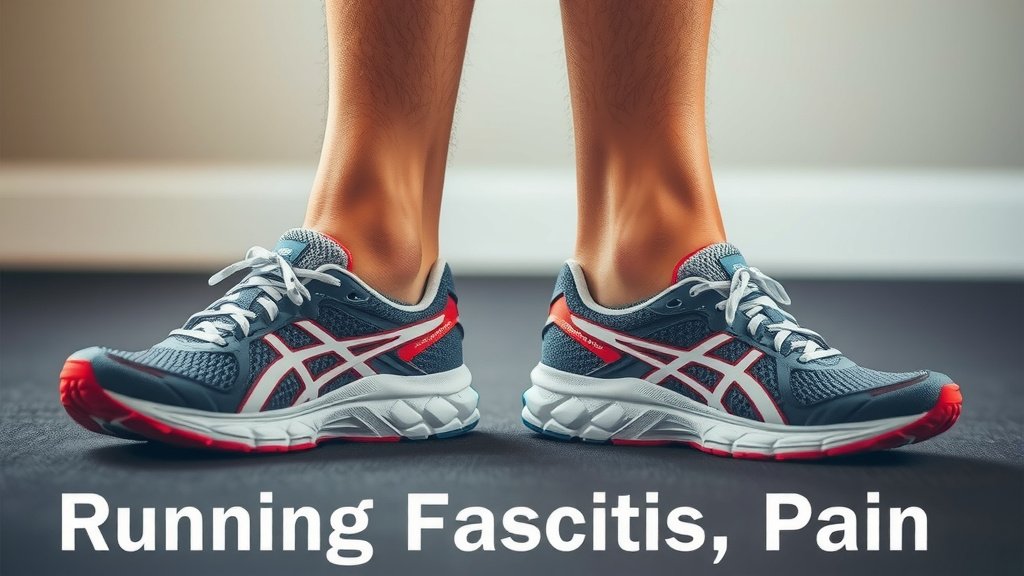
Yes, you absolutely can find running shoes that help with plantar fasciitis. The right shoes offer plenty of cushioning and excellent arch support to reduce strain on your heel. Finding them means looking for features designed to cradle your foot and absorb shock.
Plantar fasciitis can make running feel impossible, turning your favorite activity into a source of pain. We found that many runners experience relief by switching to footwear that specifically addresses the condition. These shoes are designed to stabilize your foot and distribute pressure evenly.
- Plantar fasciitis pain? Shoes can help.
- Look for cushioning and arch support.
- Stability and shock absorption are key.
- Proper fit is just as important.
Let’s break down what makes a running shoe ideal for plantar fasciitis, so you can get back to enjoying your runs pain-free.
Choosing the Right Running Shoes for Plantar Fasciitis Pain
Dealing with plantar fasciitis can make running feel like a chore. It’s that stabbing pain in your heel that just won’t quit. But don’t hang up your running shoes just yet! We found that selecting the right footwear can make a world of difference. It’s not about finding a miracle cure, but about giving your feet the support and cushioning they desperately need.
What Exactly is Plantar Fasciitis?
Before we dive into shoes, let’s quickly recap what plantar fasciitis is. It’s an inflammation of the plantar fascia. This is a thick band of tissue that runs across the bottom of your foot, connecting your heel bone to your toes. When this tissue gets irritated or inflamed, you feel that sharp pain, especially with your first steps in the morning or after a period of rest. Overuse, improper footwear, and even certain foot structures can contribute (Mayo Clinic).
Key Features to Look For in Plantar Fasciitis Running Shoes
So, what should you be hunting for in a running shoe that won’t aggravate your plantar fasciitis? Think of your feet like delicate instruments. They need careful handling and the right tools for the job. We’ve identified a few non-negotiable features that consistently come up when discussing relief.
Superior Cushioning is Non-Negotiable
Cushioning is your first line of defense. It acts like a shock absorber for every stride you take. When you land, the impact travels up your leg. Plenty of soft cushioning under your heel and through the midfoot helps to absorb that shock. This reduces the force placed on your plantar fascia, giving it a break. We looked at running shoes with generous foam midsoles, often made of EVA or proprietary blends, designed for maximum comfort.
Arch Support That Actually Supports
This is where things can get tricky. Everyone’s arch is different. Some have high arches, some have flat feet, and some fall somewhere in between. Your shoe needs to offer support that matches your arch type. For plantar fasciitis, shoes with a well-defined, supportive arch are usually best. This helps to prevent your arch from collapsing too much during your run. A collapsing arch can overstretch the plantar fascia. We found that shoes with a moderate to firm arch feel most beneficial for many runners.
Heel Counter Stability Matters
The heel counter is the rigid part at the back of the shoe. It cups your heel, providing stability and preventing excessive side-to-side motion. A shoe with a firm heel counter will help lock your heel in place. This reduces unwanted movement and strain on the plantar fascia as you run. Think of it like a little cradle for your heel.
Flexibility in the Right Place
While you need stability, you also need your shoe to flex naturally with your foot. Most running shoes should bend at the ball of your foot, where your toes naturally bend. Shoes that are too stiff or bend in the wrong spot can create uneven pressure. We found that shoes that allow for a natural foot motion, without being overly flexible in the arch area, are ideal.
Understanding Shoe Categories: Neutral vs. Stability
Running shoes generally fall into two main categories: neutral and stability. Knowing which one is right for you is key to managing plantar fasciitis.
Neutral Shoes: For Balanced Striders
Neutral shoes are designed for runners who have a relatively normal arch and don’t overpronate (their foot doesn’t roll inward excessively). They typically offer good cushioning and flexibility. If your foot lands and rolls inward just the right amount, a neutral shoe with excellent cushioning and arch support might be your best bet. Many brands offer highly cushioned neutral options that can be great.
Stability Shoes: For Extra Support
Stability shoes are built for runners who overpronate. They usually have features like guide rails or a firmer density foam on the inside of the shoe. This helps to guide your foot into a more neutral alignment. If you’ve been told you overpronate, or you notice your shoes wear down on the inside edge, a stability shoe with good cushioning could offer the extra guidance your foot needs.
The Importance of Proper Fit
Even the best shoe for plantar fasciitis won’t help if it doesn’t fit correctly. This seems obvious, but it’s worth repeating. You need about a thumb’s width of space between your longest toe and the end of the shoe. Your heel shouldn’t slip. Make sure the shoe isn’t too narrow or too wide. Shopping later in the day, when your feet are slightly swollen, can help ensure a good fit. We always recommend trying shoes on and walking or jogging a bit in them if possible.
Consider Your Running Surface and Mileage
What kind of running are you doing? If you’re pounding pavement for long distances, you’ll likely need maximum cushioning. Trail runners might need a shoe with more durability and grip, but still with good shock absorption. High mileage runners should pay extra attention to shoe durability, as the cushioning can break down over time.
A Quick Checklist for Shoe Shopping
Here’s a handy checklist to keep in mind as you shop for your next pair:
- Does it have plush cushioning, especially in the heel?
- Is the arch support firm and appropriate for your foot type?
- Does the heel counter feel secure and stable?
- Does the shoe flex naturally at the ball of your foot?
- Is there enough room in the toe box?
- Do they feel comfortable right out of the box?
Finding the right running shoe for plantar fasciitis is an investment in your comfort and your running future. By focusing on cushioning, arch support, and stability, you can find footwear that helps keep that painful inflammation at bay. Don’t be afraid to try on several pairs and listen to your feet!
Conclusion
Finding the right running shoes for plantar fasciitis can truly transform your experience. You’ve learned that superior cushioning and robust arch support are your best allies. Focusing on a stable heel counter and natural foot flexibility also plays a big role. Don’t forget that a proper fit is non-negotiable, no matter how great the shoe’s features are. Your next step? Take this knowledge to your local running store. Try on several pairs, pay attention to how they feel, and trust your feet to guide you back to enjoyable, pain-free runs.
Frequently Asked Questions
How quickly will new running shoes help my plantar fasciitis?
The speed at which you feel relief varies. Some runners notice improvement within a few runs as their feet adjust. Others might take a week or two. It’s important to remember that shoes are a support tool, and healing takes time. Give your feet and the new shoes a chance to work together.
Can I still run if I have plantar fasciitis?
Yes, many people can continue running with plantar fasciitis by using the right footwear and listening to their bodies. The key is choosing shoes that offer excellent cushioning and arch support to minimize strain. If pain persists or worsens, it’s always best to consult a doctor or physical therapist.
Do I need to replace my running shoes often if I have plantar fasciitis?
Yes, you should replace them more frequently. The cushioning and support in running shoes break down over time, usually between 300-500 miles. For plantar fasciitis, worn-out shoes can quickly exacerbate pain. Keep an eye on them and plan for replacements sooner rather than later.
Are minimalist shoes okay for plantar fasciitis?
Generally, minimalist shoes are not recommended for someone actively experiencing plantar fasciitis. These shoes offer very little cushioning and arch support, which can put more stress on your plantar fascia. We found that shoes with ample cushioning and built-in support are far more beneficial for managing this condition.
Can I wear my plantar fasciitis running shoes for everyday walking?
Absolutely! Running shoes designed for plantar fasciitis often provide excellent support and comfort for daily wear. Their cushioned soles and arch support can help keep your feet comfortable throughout the day. This can be a great way to get more value and consistent support for your feet.