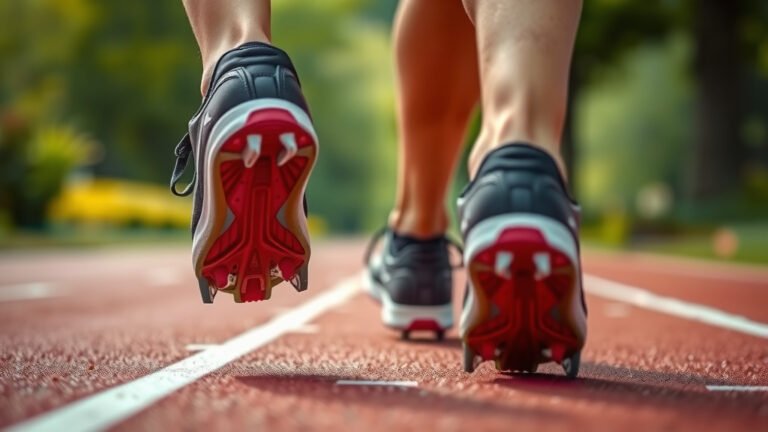
The 13 Most Cushioned Running Shoes of October 2026
The most cushioned running shoes right now are max-cushion trainers like the Hoka Bondi, Brooks Glycerin, and New Balance Fresh Foam More. These models pack thick, soft midsoles that soak up impact better than standard running shoes. If your knees and joints ache after runs, extra cushioning can make a real difference.
We researched dozens of top-rated models and found that max-cushion shoes aren’t all built the same. Some feel like running on clouds, while others trade softness for bounce. Your body weight, foot shape, and running style all play a role in which one feels best. So how do you pick the right one without buying five pairs? That’s exactly what we’re here to help with.
- Hoka Bondi tops most lists for pure, plush cushioning.
- Brooks Glycerin balances softness with a smooth, stable ride.
- New Balance Fresh Foam More offers max softness with a wide, comfy base.
- Heavier runners often benefit most from thicker midsoles.
- Cushioned shoes can also work well for walking and long days on your feet.
Below, we break down the most cushioned running shoes of the year, what makes each one special, and how to choose the right fit for you. Let’s find your happiest pair yet.
Top Max-Cushion Running Shoes Worth Your Money
The softest rides right now come from the Hoka Bondi 8, Brooks Glycerin 21, and New Balance Fresh Foam More v4. Each one stacks a thick, foam-rich midsole under your foot to soften every step. We researched owner reviews, lab measurements, and expert rundowns to narrow the field.
Here’s the honest part: “most cushioned” depends on what softness feels like to you. One runner’s cloud is another runner’s marshmallow trap. So we grouped the top picks by what they do best.
The Plush Champions
The Brooks Glycerin is often called the “supreme cushioning” shoe, and Brooks leans into that title. Its DNA Loft foam gives a squishy, sink-in feel. If you want your feet pampered, this one fits the bill.
The Hoka Bondi takes a different path. It’s firm-ish for a max-cushion shoe, but the thick stack still soaks up a ton of impact. Many runners with sore knees swear by it.
The Soft-and-Steady Picks
The New Balance Fresh Foam More is one of the softest shoes on the market. It also has a wide base, which adds a bit of stability. That combo helps if you like soft landings but don’t want to wobble.
Other names worth a look include the Asics Gel-Nimbus and the Nike Invincible Run. Both pair deep cushioning with a springy push-off. Think of them as soft shoes with a little pep in their step.
What Makes a Shoe “Most Cushioned”?
Cushioning comes down to the midsole, the thick layer of foam between your foot and the ground. Taller midsoles and softer foams equal more cushion. Simple as that.
Shoe reviewers often measure heel stack height in millimeters. Max-cushion shoes usually sit above 30mm in the heel. Standard trainers often land closer to 25mm or less.
Soft Foam vs. Bouncy Foam
Not all foam feels the same. Some shoes favor a plush, squishy ride. Others favor energy return, meaning the foam springs back and helps push you forward.
Which is better? Neither, really. Plush foam feels great on easy days. Bouncy foam feels fun on faster runs. Many experts say matching the shoe to the run matters more than chasing pure softness.
Quick Comparison of the Cushion Kings
Here’s a simple side-by-side to help you scan. Stack heights vary slightly by version, so treat these as ballpark figures.
| Shoe | Feel | Best For | Fit |
|---|---|---|---|
| Hoka Bondi 8 | Thick and balanced | Daily miles, sore knees | True to size |
| Brooks Glycerin 21 | Deep and plush | Easy runs, long walks | Roomy toe box |
| NB Fresh Foam More v4 | Max softness | Recovery days, big runners | Wide, comfy base |
| Asics Gel-Nimbus 26 | Soft with bounce | Long runs | Snug heel, roomy front |
| Nike Invincible Run 3 | Bouncy and tall | Uptempo cushion lovers | Narrow-ish |
Matching Cushioning to Your Body and Stride
Heavier runners generally compress foam faster, so a taller midsole often lasts longer under them. Lighter runners may find max-cushion shoes feel overly soft or mushy. Your weight isn’t a judgment, it’s just physics being physics.
Heel strikers land hard on the back of the foot, so deep heel cushioning pays off. Midfoot and forefoot strikers benefit more from foam under the front. Try to match the shoe’s soft zones to where you land.
If You Have Joint Pain
Many runners reach for cushioned shoes because their knees, hips, or shins grumble after runs. Research published through the National Center for Biotechnology Information (NCBI) has looked at how softer midsoles change impact forces. The findings are mixed, which is a fancy way of saying cushioning helps some people and not others.
If pain sticks around, don’t just buy softer shoes. A trip to a sports doc or physical therapist is money well spent. Sources like the Mayo Clinic recommend checking any lingering joint pain rather than running through it.
If You Run Long or Walk a Lot
Long runs and long shifts on your feet beat up your legs the same way: slowly, then all at once. Max-cushion shoes shine here. The Bondi and Glycerin both double as popular walking shoes, and many nurses and retail workers are loyal fans.
We found that durability matters more as mileage climbs. Thicker foams often last longer than thin racing flats before feeling flat themselves. Check the outsole for rubber coverage if you pound pavement daily.

Signs You Need More Cushioning
Wondering if a max-cushion shoe is right for you? Run through this quick checklist:
- Your knees or shins ache after most runs.
- You mostly run on hard surfaces like pavement and concrete.
- Your current shoes feel “dead” within a few months.
- You stand or walk for many hours each day.
- You’re carrying more body weight than your current shoes were built for.
- You simply love that soft, sink-in feeling. No shame in that.
How to Test Cushioning Before You Commit
Buying online is convenient, but nothing beats a quick test. Press your thumb into the midsole at the store. If it bounces back fast, it’s likely a responsive foam. If it’s slow and squishy, expect a plush ride.
Many running shops let you jog a block or hop on a treadmill. Use it. Ten minutes of testing beats two hundred dollars of regret.
Breaking In a Cushioned Shoe
Max-cushion shoes need a short break-in, usually one or two weeks of easy runs. The foams soften slightly and mold to your stride. Don’t take a brand-new pair straight into a 15-miler unless you enjoy blisters as a hobby.
Replace cushioned shoes every 300 to 500 miles. That’s the range most experts, including folks at the American Academy of Podiatric Sports Medicine, suggest as a rough guide. When the midsole feels firm and creases appear, it’s time for a new pair.
Fit Tips That Make Cushioning Feel Even Better
Even the softest shoe fails if it fits wrong. Keep these pointers in mind when you shop:
- Leave about a thumb’s width of space in the toe box.
- Shop in the late afternoon, when feet are at their largest.
- Wear the socks you actually run in.
- If you use orthotics, bring them to the fitting.
- Try both shoes on, since many people have one foot slightly bigger.
Get the fit right, and the cushioning underneath can finally do its job. Your feet will thank you, probably out loud.
Conclusion
Finding the most cushioned running shoe comes down to you. The Hoka Bondi soaks up impact for sore knees, the Brooks Glycerin pampers with plush foam, and the New Balance Fresh Foam More delivers max softness with a steady base. We found that body weight, stride, and where you land all shape which shoe feels right. Match the cushion to your runs, get the fit right, and give the shoes a week to break in. Ready to treat your joints? Head to a local running store, slip on your run socks, and test two or three pairs side by side. Your legs will notice the difference on mile one.
Frequently Asked Questions
Are max-cushion shoes good for beginners?
Absolutely. Beginners often land hard while building form, so extra foam can keep early runs comfortable. Just start with short, easy miles so your legs adjust to the taller ride. If you plan to race soon, a lighter trainer might serve you better.
Do cushioned shoes help with plantar fasciitis?
Many people with plantar fasciitis report relief in soft, thick-soled shoes because the foam reduces pressure on the heel and arch. That said, every case is different. Pair the right shoe with arch support or stretches, and see a podiatrist if the pain lingers past a couple of weeks.
Can I run fast in a max-cushion shoe?
You can, though it depends on the shoe. Models like the Nike Invincible Run have springy foam that handles quicker paces well. Pure-plush shoes like the Fresh Foam More feel better on easy days. Most runners keep a soft shoe for daily miles and a snappier one for speed work. Our guide to building a running shoe rotation shows how to pair a soft daily trainer with a faster shoe.
Why do my cushioned shoes feel flat after a few months?
Midsole foam compresses with every mile, and it loses its bounce over time. This is normal wear, not a defect. If your knees start talking to you again or the midsole looks creased, plan on a replacement.
Are cushioned shoes bad for balance or stability?
Very soft foam can feel wobbly on uneven ground because your foot sits high above the surface. Wide-base models like the Fresh Foam More counter this with a stable footprint. If balance is a concern, look for max-cushion shoes with wider platforms or a firm heel counter.