
How to Properly Fit Track Spikes for Your Run
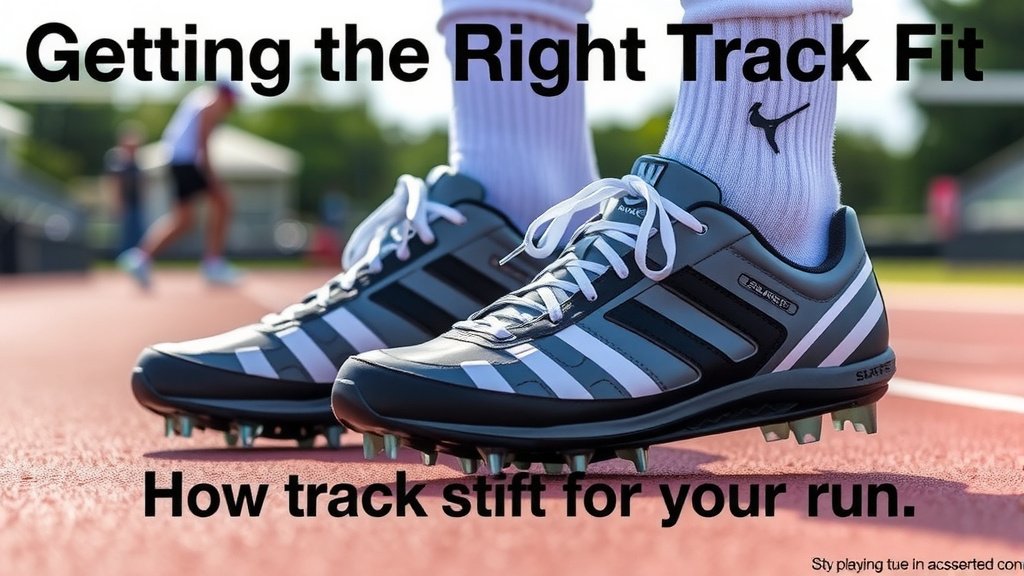
Fitting track spikes properly ensures they feel comfortable and perform their best on the track. You’ll want to make sure your spikes are snug but not painful, with enough room for your toes to move slightly. Getting the fit right is key to preventing blisters and maximizing your speed.
Your track spikes are specialized shoes. They are designed for speed and grip on different surfaces. Understanding how they should feel on your feet will help you choose the right size and prevent common discomforts. Many runners find a slightly tighter fit than their regular shoes works best.
- Get spikes that feel snug.
- Allow a little toe room.
- Break them in gently.
- Check for rubbing spots.
Let’s walk through exactly how to fit your track spikes to make sure you’re ready to race.
Getting the Right Track Spike Fit
You’ve got your new track spikes, and you’re excited to hit the track. But wait! Before you go all out, you need to make sure they fit perfectly. A great fit means comfort, speed, and fewer blisters. Let’s figure out how these specialized shoes should feel on your feet.
Understanding Track Spike Sizing
Track spikes are different from your everyday running shoes. They’re built for performance, not long-distance comfort. This means you’ll likely need a snugger fit than you’re used to. Think of them as a second skin for your foot.
Many runners find they need to go down a half or even a full size compared to their casual or road running shoes. This can feel a bit strange at first. But it’s important for keeping your foot locked in place. A loose spike can cause your foot to slide around. This leads to poor performance and painful hot spots.
The ‘Snug but Not Painful’ Test
How do you know if they’re just right? Imagine your spikes are like a firm handshake. They should be firm and secure, but not crushing your hand. When you put them on, your foot should feel held, but not squeezed painfully.
Toe Room: The Balancing Act
Even though spikes should be snug, you still need a little bit of toe room. You want about a thumb’s width of space between your longest toe and the front of the shoe. This is crucial for a few reasons.
First, when you run, your foot naturally swells a bit. Second, your toes need to splay slightly for stability. If your toes are jammed against the end, you’ll feel pain. You might also develop bruised toenails. That’s definitely not what you want before a big race!
Heel Lock: No Slipping Allowed
The heel of the shoe should fit snugly. It should hold your heel firmly in place. You shouldn’t feel any slipping or lifting when you walk or jog. A good heel lock prevents chafing and blisters. It ensures your foot is stable within the shoe.
Trying Them On: What to Look For
When you try on your spikes, wear the same type of socks you plan to race in. Thin, performance socks are usually best. They won’t add unnecessary bulk. Try them on later in the day, as your feet tend to be a bit larger then.
The Walking Test
Stand up and walk around a bit. Do you feel any pinching? Are there any areas that feel like they’re rubbing uncomfortably? Pay attention to the sides of your feet and your arches. These are common spots for discomfort.
The Light Jog Test (If Possible)
If you can, do a very light jog on a soft surface, like a carpeted area or even a treadmill if available. This gives you a better sense of how the shoe performs under a little pressure. You want to feel secure and supported. The spikes should feel like an extension of your foot, not a separate entity.
Breaking In Your Track Spikes
New spikes can feel stiff. They aren’t usually comfortable for long periods right out of the box. You’ll need to break them in gradually. This process helps the shoe mold to your foot’s unique shape.
Start by wearing them around your house for short periods. Then, try them for warm-ups before your regular runs. Gradually increase the time you wear them. Most experts suggest a few sessions of 15-30 minutes to start. Avoid wearing them for an entire practice or race until they feel broken in. Many guidelines suggest this gentle approach to avoid injury (CDC).
Common Fit Issues and How to Solve Them
Sometimes, even with the best intentions, spikes can cause problems. Let’s look at some common issues and how to address them.
Hot Spots and Blisters
If you notice a spot that feels like it’s starting to rub, stop and adjust. Sometimes, just re-lacing the shoe can help. If a specific seam or area is causing irritation, a small piece of athletic tape can provide protection. This is a trick many athletes use before a race.
Toe Box Pressure
If the front of the shoe feels too tight, and you’ve already confirmed your size is correct, try loosening the laces slightly in the toe box area. Make sure you don’t sacrifice heel lock though. It’s a delicate balance.
Arch Discomfort
Some spikes have built-in arch support, while others offer very little. If you need more support, consider using thin, performance insoles. Be careful, though – too much cushioning can alter the feel and performance of the spike. We found that even a very thin insole can make a difference for some runners.
The Spike Plate: A Quick Note
Remember that the spike plate itself is stiff. This is normal and necessary for transferring power. You shouldn’t expect the same flexibility as your road shoes. The stiffness contributes to the aggressive feel and performance of track spikes.
| What to Check | How it Should Feel |
|---|---|
| Overall Snugness | Held, not squeezed; like a firm handshake. |
| Toe Room | About a thumb’s width of space. |
| Heel Fit | No slipping or lifting; feels locked in. |
| Arch Comfort | No sharp pressure points; feels supported. |
| No Rubbing | No immediate hot spots or pinching. |
Your Pre-Race Spike Check
Before you head to your next competition, do a quick check. Ensure your laces are tied correctly. Make sure there are no twists or knots that could cause irritation. A little bit of attention to detail can go a long way.
Think of it this way: your spikes are your tools for speed. Making sure they’re the right fit is like a carpenter making sure their hammer is balanced. It’s about optimizing your performance. You want them to help you, not hinder you.
Conclusion
You’ve learned that getting the right track spike fit is all about precision and feel. Remember, your spikes should be snug but never painful, offering a secure hug without squeezing. A little toe room ensures comfort and stability during your sprints. Breaking them in gently is just as important as the initial fit.
By paying attention to toe space, heel lock, and potential rubbing spots, you’re setting yourself up for peak performance. Your next step is to apply these fitting tips when trying on your next pair. Focus on that firm handshake feel and you’ll be ready to fly on the track.
Frequently Asked Questions
Can I wear my track spikes for warm-ups?
Yes, but only after you’ve started breaking them in. Wear them for short periods around the house first. Then, use them for warm-ups before your regular runs. Gradually increase wear time until they feel comfortable and molded to your feet.
How do I know if my track spikes are too tight?
Your spikes should feel snug, like a firm handshake. If you feel sharp pain, pinching, or numbness, they are likely too tight. You should not feel any extreme pressure on your toes or the sides of your feet.
Should my toes touch the end of my track spikes?
No, they should not touch. You need about a thumb’s width of space between your longest toe and the front of the shoe. This space allows for foot swelling and toe splay during running.
What type of socks should I wear with track spikes?
Always wear the same type of socks you plan to race in when trying on spikes. Thin, performance-oriented running socks are usually best. They add minimal bulk and help you feel the true fit of the shoe.
How long does it typically take to break in track spikes?
The break-in period varies, but most experts suggest a few sessions of 15-30 minutes each. Avoid wearing them for an entire practice or race until they feel consistently comfortable. Patience during this phase prevents discomfort and potential injuries.