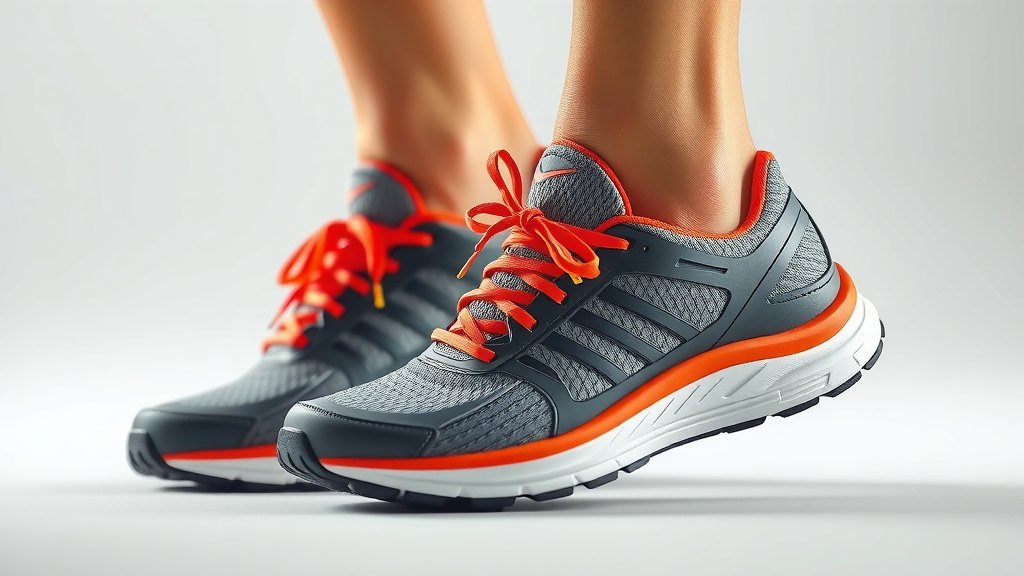
What is Responsiveness in Running Shoes Explained
Responsiveness in running shoes is a shoe’s ability to return energy to your stride. It means the shoe bounces back quickly after impact. This gives you a feeling of propulsion and can make your runs feel easier.
Think of it like a trampoline versus a soft pillow. A responsive shoe feels more like the trampoline, sending energy back. Less responsive shoes can feel mushy and absorb more of your effort. We found this energy return can really impact your running economy.
- Responsiveness means shoes give energy back to your stride.
- It helps your feet feel like they’re bouncing forward.
- This can make running feel less tiring.
- It’s about how quickly the shoe rebounds.
- Look for shoes described as “energetic” or “bouncy.”
Ready to feel the difference? Let’s break down what makes a running shoe responsive and what that means for your next run.
Understanding Running Shoe Responsiveness
So, what exactly makes a running shoe feel “responsive”? It’s all about the shoe’s ability to give you energy back with each step. Think of it as a little spring in your shoe. When your foot hits the ground, the midsole compresses. A responsive shoe then springs back quickly. This action helps push you forward.
The Science Behind the Bounce
The magic behind responsiveness is in the midsole foam. This is the thick layer between your foot and the outsole. Different foams have different properties. Some are designed to be soft and plush, absorbing impact. Others are engineered for energy return. They want to give you a little boost.
Foam Compounds Matter
Many newer running shoes use advanced foam compounds. Brands are constantly innovating. They’re creating foams that are both lightweight and highly responsive. Some of these foams feel firm initially but then provide a noticeable rebound. It’s a balance of cushioning and energy return.
Geometry Plays a Role Too
It’s not just about the foam. The shape and design of the shoe matter too. Rocker geometries, for instance, can help smooth your transition from heel to toe. This can make your stride feel more efficient. Some shoes have plates embedded in the midsole. These plates can help stiffen the shoe and guide your foot. They can also help with energy return.
Why Responsiveness Should Matter to You
You might be wondering why you should care about responsiveness. Well, it can directly impact your running experience. A responsive shoe can make your runs feel less taxing. It can help you maintain your pace with less effort. This is often referred to as improved running economy.
How Responsiveness Affects Your Run
When a shoe returns energy, it means less of your own effort is wasted. Instead of just absorbing the shock, the shoe helps propel you forward. Imagine pushing off a soft carpet versus a firm tile floor. The tile floor gives you more “oomph.” That’s similar to what a responsive shoe does.
Feeling Faster and Fresher
Many runners report feeling faster and fresher for longer when wearing responsive shoes. This can be especially helpful during longer runs or speed workouts. You feel less of a “dead” sensation with each step. Instead, you get a lively sensation that keeps you moving.
Who Benefits Most from Responsive Shoes?
While many runners can enjoy the benefits, those looking for speed and efficiency Runners focused on speed and efficiency will find responsive shoes particularly beneficial. often seek out responsive shoes. This includes:
- Competitive runners aiming for personal bests.
- Runners who want to feel a bit of a “pop” in their stride.
- Anyone looking to make their daily miles feel a little easier.
- Runners who find softer shoes feel “too mushy” and want more feedback.
However, it’s important to remember that a shoe that’s *too* responsive might not be ideal for everyone. We found that very firm, super-responsive shoes can sometimes feel harsh on tired legs. Balance is key.
What to Look for in a Responsive Shoe
When you’re shopping for running shoes, how do you spot the responsive ones? It’s not always on the label. You’ll often see descriptions that hint at this quality. Look for terms like “energetic,” “bouncy,” “propulsive,” or “fast.”
Reading Shoe Descriptions and Reviews
Shoe manufacturers and running publications often use these descriptive words. They’re trying to convey that feeling of energy return. You can also find this information in detailed shoe reviews. Reviewers will often mention how the shoe feels underfoot. They might describe it as lively, springy, or quick.
The Feel on Your Foot
Ultimately, the best way to know if a shoe is responsive is to try it. Many specialty running stores allow you to jog in shoes on a treadmill or outside. Pay attention to how your foot feels on impact and during toe-off. Do you feel a sensation of being pushed forward? Or does it feel like your foot sinks in?
Common Misconceptions About Responsiveness
It’s easy to confuse responsiveness with firmness or cushioning. A shoe can be both cushioned and responsive. Think of a high-quality athletic shoe versus a standard sneaker. The athletic shoe might have plenty of cushioning but still feel like it’s giving you energy back. A very firm shoe might not be responsive at all if the foam just deadens impact. Conversely, some very soft, plush shoes offer little energy return. They simply absorb impact.
Here’s a quick way to think about it:
| Quality | What it Feels Like | Responsive? |
|---|---|---|
| Cushioning | Soft and protective feel. Absorbs impact well. | Can be, but not always. |
| Firmness | Hard or stiff feel. Little give. | Can be, but not always. A hard shoe can be dead. |
| Responsiveness | Springy, energetic feel. Bounces back quickly. | Yes! This is the definition. |
Your Personal Preference Matters
What feels responsive to one runner might feel different to another. Your body weight, running gait, and personal preferences all play a part. We found that some runners prefer a firmer, more responsive feel for speed work. Others like a touch more cushioning, even in a responsive shoe, for daily miles.
Consider these points when choosing:
- Your typical run distance. Longer runs might benefit from a balance of cushioning and responsiveness.
- Your speed goals. If you’re chasing PRs, more responsiveness might be a good bet.
- How your body feels. Listen to your feet and legs after a run.
- Past shoe experiences. What did you like or dislike about previous shoes?
Conclusion
You’ve learned that running shoe responsiveness is all about that energetic bounce-back. It’s the shoe’s ability to return energy to your stride, making your runs feel more efficient and less tiring. We found that advanced midsole foams and smart shoe geometry work together to give you that propulsive feeling. Don’t get fooled; responsiveness isn’t just about being firm or soft. It’s about that lively sensation. Ready to find your perfect energetic ride? Your next step is to visit a specialty running store and feel the difference for yourself during a short jog.
Frequently Asked Questions
Does responsiveness mean a shoe will feel hard?
Not necessarily. While some responsive shoes feel firmer, many modern designs offer both excellent cushioning and a responsive feel. The key is how quickly the midsole rebounds after compression, not just how much give it has initially.
Can responsiveness help prevent injuries?
While responsiveness can improve running economy and make your stride feel more efficient, it’s not directly proven to prevent injuries. Proper form, adequate cushioning for your needs, and listening to your body are more direct factors in injury prevention.
How do I test responsiveness in a store?
When trying on shoes, jog lightly in place or on a treadmill. Pay attention to how the shoe feels as your foot lands and pushes off. You should feel a noticeable rebound, not just softness or a dead feeling.
Is responsiveness good for marathon runners?
Yes, many marathon runners benefit from responsiveness, especially for faster paces or when they need to maintain efficiency late in the race. However, a balance with cushioning is often preferred for the long distances to manage fatigue.
Will I feel “faster” in a responsive shoe?
Many runners report feeling a sensation of speed and lightness in responsive shoes because the shoe helps return energy. While it won’t magically make you faster, it can make maintaining a faster pace feel easier and more sustainable.