Choosing Running Shoes for Grass: A Buyer’s Guide
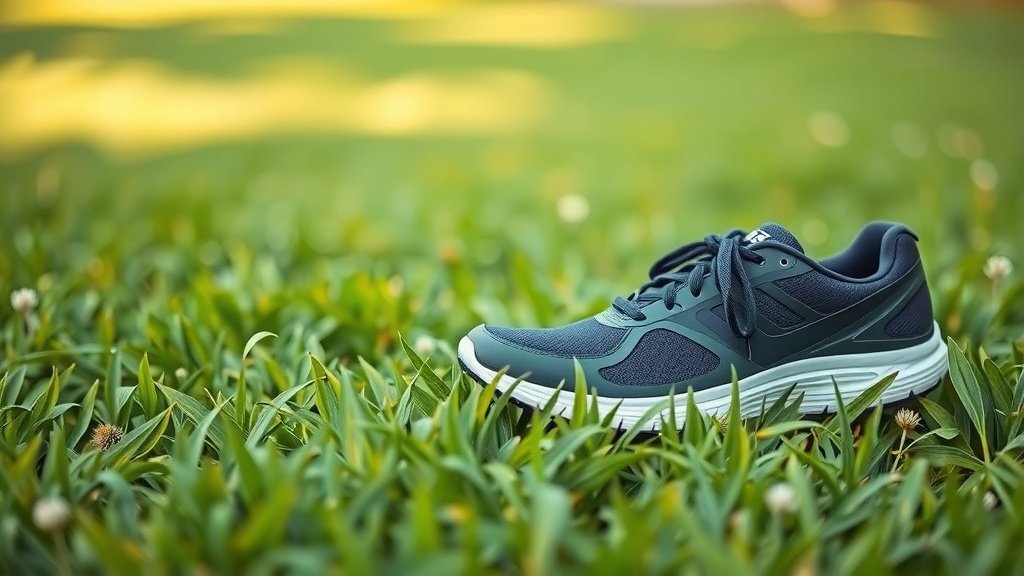
Choosing the right running shoes for grass is all about finding the perfect balance between grip and comfort. You need shoes that offer superior traction to prevent slips and falls on uneven, wet, or dry surfaces. Look for shoes with deeper lugs or specialized outsoles designed for outdoor terrain. This will give you the confidence to pick up the pace, no matter the grassy path ahead.
Running on grass offers a softer landing than pavement, but it also presents unique challenges. You might worry about twisting an ankle or losing your footing. Selecting shoes with adequate cushioning and a secure fit is key. Many runners find that trail running shoes, or even some cross-training models, perform exceptionally well on grass. We found that durability is also a big plus for grass running.
- Grip is king on grass.
- Deeper lugs provide better traction.
- Look for good cushioning.
- A secure fit prevents slips.
- Trail shoes often work well.
Let’s walk through exactly how to pick the best running shoes for your grassy adventures.
Picking the Right Running Shoes for Your Grass Runs
Choosing running shoes for grass is about finding that sweet spot between traction and comfort. You want shoes that keep you grounded and prevent slips. This guide will help you navigate the options.
Understanding the Unique Needs of Grass Running
Running on grass feels different than pavement. It’s softer, which is easier on your joints. But it can also be uneven and sometimes wet. You might worry about sliding or twisting an ankle. The right shoes can give you the confidence to run at your best.
Why Standard Road Shoes Might Not Cut It
Road running shoes are designed for smooth, predictable surfaces. Their outsoles are usually flatter and made for grip on asphalt. They might not have the deep treads needed for grass. This can lead to less stability and a higher chance of slipping. We found that trying to use road shoes on grass can sometimes feel a bit like trying to grip ice with a bowling ball.
The Benefits of Grass Running
There are great reasons to run on grass! It’s easier on your knees and other joints. This can help reduce the impact from your runs. It’s also a more natural surface. Many runners find it a welcome change from hard concrete. Some studies even suggest that running on softer surfaces can lower stress fractures (NCBI).
Key Features to Look For in Grass Running Shoes
When you’re eyeing shoes for grass, a few things stand out. Think about what makes a shoe work well on this terrain. It’s not just one thing; it’s a combination of features working together.
Traction and Grip: The Foundation of Your Run
Grip is probably the most important feature. You need shoes that bite into the grass. This prevents you from sliding, especially when you change direction or run downhill. Good traction gives you the freedom to move without worry.
Lugs and Outsole Patterns
Look for shoes with deeper lugs. These are the little rubber nubs on the bottom of the shoe. Deeper lugs dig into the ground better. They offer more surface area for traction. Many trail running shoes have excellent lug patterns. Some cross-training shoes also offer good grip. We observed that a wider spacing between lugs can also help shed mud if you’re running after rain.
Rubber Compound
The type of rubber used in the outsole matters too. Softer rubber compounds can offer better grip on various surfaces, including grass. However, they might wear down faster. It’s a trade-off between grip and durability. We found that a good mix often provides the best results.
Cushioning for Comfort and Impact Absorption
While grass is softer than pavement, you still need good cushioning. It helps absorb shock. This protects your feet and legs during your run. Too little cushioning can make your run feel hard. Too much can make you feel unstable. You want a shoe that feels responsive but also protective.
Finding the Right Balance
Many runners find that a moderate amount of cushioning is ideal. It should feel comfortable from the first step. You should feel connected to the ground, but not like you’re pounding on it. If you’re prone to foot pain or have longer runs planned, you might want a bit more cushioning.
Fit and Stability: Keeping Your Foot Secure
A shoe that fits well is essential for any type of running. For grass, it’s even more critical. A loose shoe can cause blisters. It can also lead to your foot rolling inside the shoe. This increases the risk of injury.
Secure Lacing and Heel Lock
Make sure the shoe locks down your heel. This means your heel shouldn’t slip up and down when you walk or run. A good lacing system helps you customize the fit. You can often adjust the tension across different parts of your foot. This ensures a snug, secure feel.
Midfoot Support
Consider your arch type. If you have a high arch or a flat foot, you might need specific support. Some shoes offer more arch support. This can help keep your foot aligned and prevent pronation issues. We found that a shoe that feels supportive but not constrictive is often the best choice.
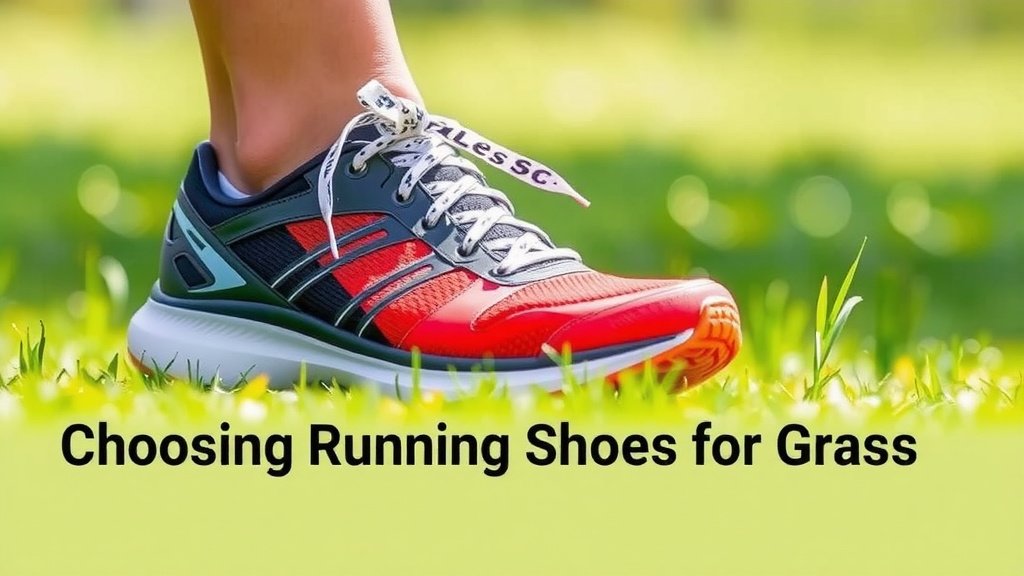
Types of Shoes That Excel on Grass
You might be wondering which specific types of running shoes are best suited for grass. While there’s no single “grass shoe,” certain categories tend to perform very well. We’ve looked at many options and found a few categories that consistently stand out.
Trail Running Shoes
Trail running shoes are often the go-to for grass. They are built for uneven terrain and offer excellent traction. Their outsoles typically feature aggressive lugs designed to grip dirt, mud, and yes, grass. Many trail shoes also provide good protection for your feet. They are generally more durable than road shoes. If you’re looking for a sure-footed experience on grass, trail shoes are a strong contender.
Cross-Training Shoes
Some cross-training shoes can also work well. These shoes are designed for a variety of activities. They often have a more robust outsole than road running shoes. They provide good stability and a decent amount of grip. They might not have the deep lugs of a trail shoe, but they can offer a nice balance for occasional grass running. We found that a cross-trainer with a multi-directional tread pattern is often a good bet.
Road Shoes with Specific Outsole Patterns
While most road shoes aren’t ideal, a few exceptions exist. Some road shoes are designed with slightly more aggressive treads. These might offer enough grip for drier, less challenging grassy areas. However, this is generally not the first choice for consistent grass running. You risk slipping more easily.
A Quick Checklist for Choosing Your Grass Shoes
To make your shopping experience easier, keep this quick checklist handy:
- Does the shoe have deep, prominent lugs on the outsole?
- Do the lugs look like they can dig into the ground?
- Does the shoe feel stable when you walk around in it?
- Is the fit snug and secure, with no heel slippage?
- Is there enough cushioning for your comfort?
- Does the shoe feel durable and well-constructed?
Conclusion
Choosing the right running shoes for grass runs boils down to prioritizing traction and a secure fit. While the soft surface is kind to your joints, good grip prevents slips and potential injuries. We found that trail running shoes often offer the best combination of deep lugs and protective features for grassy terrain. Remember to check for adequate cushioning and a snug feel that locks your heel in place. By focusing on these key elements, you can confidently hit the grass and enjoy your runs.
Frequently Asked Questions
Are trail running shoes the only good option for running on grass?
Not necessarily, but they are often the best choice. Trail shoes are built with aggressive lugs for grip on varied terrain, which works great on grass. Some cross-training shoes can also provide sufficient traction and stability for grass runs.
Can I wear my regular road running shoes on the grass?
While you can, it’s generally not recommended for consistent grass running. Road shoes have flatter outsoles designed for pavement and lack the deep treads needed for secure grip on grass, increasing your risk of slipping.
How important is cushioning when running on grass?
Cushioning is still important for comfort and shock absorption, even though grass is softer than pavement. You want a balance – enough cushioning to protect your feet without making the shoe feel unstable.
What does a “secure fit” mean for grass running shoes?
A secure fit means your foot feels locked into the shoe with no excessive movement. This includes a snug midfoot and a heel that doesn’t slip up and down. This prevents blisters and reduces the risk of your foot rolling on uneven grass.
How do I check if the lugs on a shoe are deep enough for grass?
Visually inspect the bottom of the shoe. You’re looking for noticeable rubber nubs (lugs) that stick out significantly from the sole. Deeper, more prominent lugs will dig into the grass better, providing superior traction compared to flatter treads.