Choose Running Shoes: Match Your Pace for Speed
Choosing running shoes by pace is super helpful for finding the right fit. Faster runners often need lighter, more responsive shoes. Slower runners might benefit from shoes with more cushioning and support. Matching your shoes to your running speed can really improve your comfort and performance.
Think of your running shoes like tires for your car. You wouldn’t put racing slicks on a truck, right? The same idea applies here. Your natural gait and the speed at which you run are key factors to consider. We found that many runners overlook this simple detail, leading to discomfort or even injury. It’s about finding the perfect balance for your stride.
- Match shoe weight to your pace.
- Lighter shoes for faster runs.
- More cushioning for slower jogs.
- Consider your foot strike and support needs.
Below, we’ll break down exactly how to pick running shoes based on your typical running pace, so you can hit the ground running with confidence.
Matching Your Running Shoes to Your Pace
Finding the right running shoes can feel like a quest. But what if we told you one of the biggest factors is your own speed? We’ve found that many runners overlook how pace impacts their footwear needs. Understanding this can lead to more comfortable miles and fewer aches. It’s not about the brand; it’s about the physics of your run.
Think about it: a marathoner running at a steady, slower pace needs different support than a sprinter hitting top speed for short bursts. Your shoes should complement your stride, not fight against it. We’ve researched how different paces require different shoe designs to help you make a smarter choice.
The Speed Factor: Why Pace Matters
Your running pace directly influences the forces your feet experience. Faster running means higher impact and more pressure on your shoes. Slower running, while generally less impactful, can still benefit from specific cushioning and stability features. We found that aligning shoe characteristics with your typical pace is a smart strategy for comfort and injury prevention.
Experts often suggest considering your pace because it dictates how your foot interacts with the ground. A faster stride might require a shoe that returns energy efficiently. A slower jog might need a shoe that absorbs shock effectively. Many guides point to this as a foundational step (National Institute of Health).
What’s Your Average Pace?
Before you even look at shoes, get a sense of your normal running speed. Are you usually running at a conversational pace, where you can easily chat? Or are you pushing for a personal best, where breathing is heavy and talking is difficult? We found that knowing this basic metric is key to narrowing down your options.
For many, this means checking their watch or app after a typical run. Don’t overthink it; just get an average for your most common runs. This will be your guide. We recommend aiming for a pace that reflects 70-80% of your running activity.
Shoes for Faster Paces (Tempo Runs, Intervals)
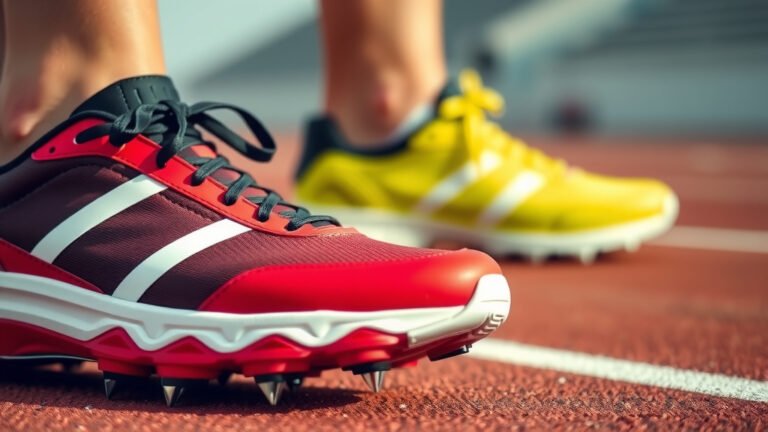
If you’re a runner who hits the track for speed work or enjoys tempo runs, you’re likely looking for shoes that feel light and responsive. These shoes are designed to help you move quickly and efficiently. We found that lighter shoes often feature less dense foam and a more minimalist construction.
The goal here is energy return. When you’re running fast, you want the shoe to give a little spring back with each step. This can help reduce the effort needed to maintain your pace. Many racing flats and performance trainers fall into this category. They prioritize speed over maximum cushioning.
What to Look For:
- Lightweight: Less shoe material means less weight to lift.
- Responsive Cushioning: Foam that bounces back quickly.
- Flexibility: Allows your foot to move naturally at higher speeds.
- Minimal Support: Often less emphasis on motion control.
Shoes for Moderate Paces (Everyday Training)
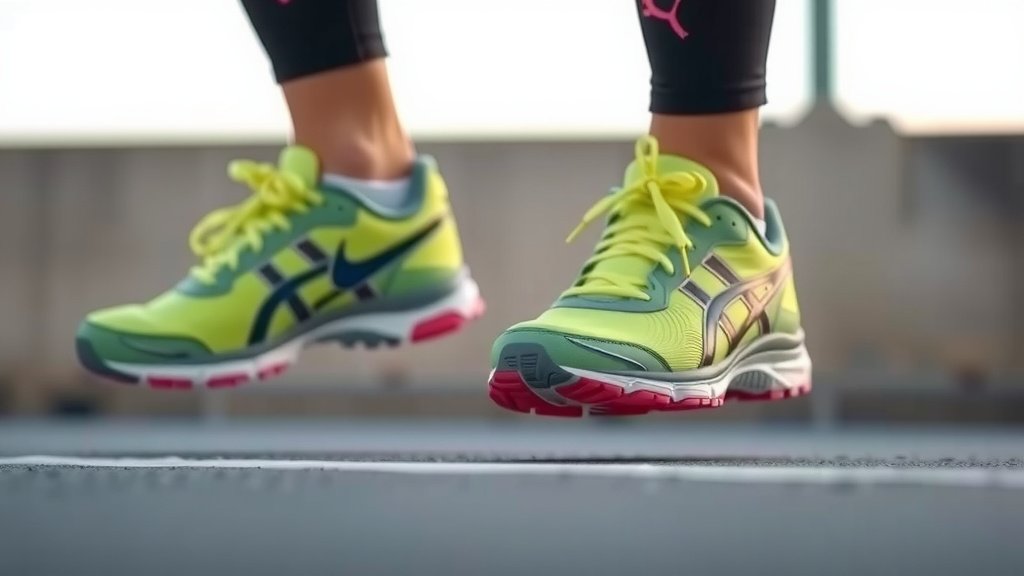
Most of your runs likely fall into this category. These are your bread-and-butter miles, where comfort and durability are key. For these runs, you need a shoe that offers a good balance of cushioning, support, and responsiveness. We found that everyday trainers are the most common type of running shoe.
These shoes are built to handle a lot of mileage. They provide enough cushioning to absorb impact on longer runs but are also durable enough to last. They offer a good compromise, making them suitable for a wide range of runners. Think of them as your reliable running partner.
Key Features:
- Balanced Cushioning: Enough to protect but not so much that it feels mushy.
- Durability: Built to withstand many miles.
- Versatility: Works for a variety of speeds and distances.
- Moderate Weight: Heavier than racing shoes, lighter than maximalist options.
Shoes for Slower Paces (Recovery, Long Slow Distance)
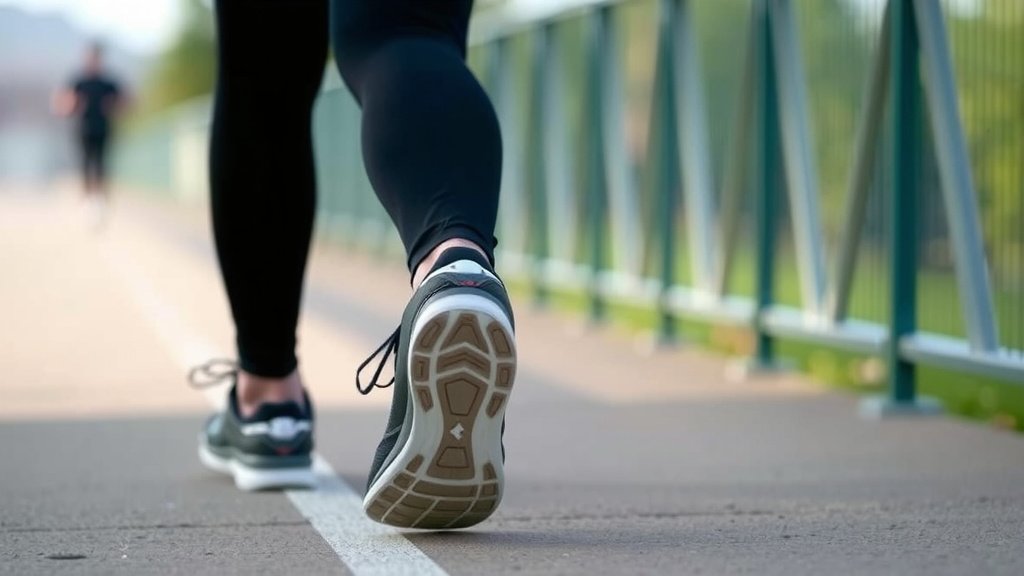
When you’re out for a recovery jog or a long, slow distance (LSD) run, your priorities shift. Comfort and shock absorption become even more important. These shoes are often built with maximum cushioning to help reduce the stress on your joints. We found that many runners prefer these for their easy miles.
The idea is to let the shoe do some of the work in absorbing impact. This can help you feel fresher for longer and can be beneficial for recovery. While they might feel heavier, the plush feel is often worth it for these types of runs. Many brands offer “maximalist” shoes that fit this description.
What to Seek Out:
- Plush Cushioning: Soft, thick midsoles for maximum shock absorption.
- Comfort: A focus on a comfortable, secure fit.
- Stability Features: May include elements to guide the foot gently.
- Higher Weight: Often heavier due to the amount of cushioning.
It’s Not Just About Pace: Other Considerations
While pace is a fantastic starting point, it’s not the only factor. Your foot strike and any biomechanical needs are also crucial. For instance, a runner with a significant overpronation might need a shoe with more stability, regardless of their pace. We’ve found that a combination of factors leads to the best shoe choice.
Consider if you tend to land on your heel, midfoot, or forefoot. This can influence the type of cushioning and support that feels best. Many experts suggest that understanding your foot’s natural motion is as important as knowing your mile splits (American Podiatric Medical Association).
Don’t Forget These:
- Foot Strike: How your foot lands with each step.
- Arch Type: High, medium, or flat arches.
- Previous Injuries: Any history of pain or issues.
- Ground Feel: Do you prefer feeling connected to the road or very cushioned?
A Quick Checklist for Your Shoe Hunt
Ready to find your next perfect pair? Use this quick guide as you shop. We’ve found that going through these steps systematically makes the process much easier. Remember, the best shoe is the one that feels right for *you* and *your* runs.
- Note your typical running pace (e.g., 8:00/mile, 10:00/mile).
- Determine if most of your runs are fast, moderate, or slow.
- Consider if you need extra cushioning or more responsiveness.
- Think about any specific support or stability needs.
- Try on several pairs and see how they feel on your feet.
- Trust your comfort – it’s your best indicator.
Conclusion
You’ve learned that picking running shoes by pace is a smart move. Faster runners often benefit from lighter, responsive shoes. Slower runners can find comfort with more cushioning. Remember, pace is a key factor, but don’t forget your foot strike and any personal needs. We’ve found that aligning your shoe choice with how you run can boost your comfort and help prevent injuries. Your next step is to head to a store, armed with this knowledge, and try on shoes that match your typical running speed. Your feet will thank you for it!
Frequently Asked Questions
Does my running pace *really* matter that much for shoes?
Yes, your running pace significantly impacts the forces your feet endure. Faster paces mean higher impact, so lighter, more responsive shoes can help. Slower paces benefit from enhanced cushioning to absorb shock. We’ve found matching your shoe to your pace supports comfort and can reduce injury risk.
What if I run at different paces sometimes?
If you have varied paces, focus on the type of running you do most often. Most runners have a primary pace for their everyday training. You might consider having a couple of pairs: lighter shoes for speed work and a more cushioned pair for your easy or long runs.
Are shoes for faster paces always less supportive?
Generally, shoes designed for faster paces prioritize being lightweight and responsive. This often means they have less built-in support or motion control compared to shoes for slower paces. We found that runners who don’t need extra stability often prefer this lighter feel for speed.
How do I know if I need more cushioning for slower runs?
If your slower runs feel jarring or leave your joints achy, you likely benefit from more cushioning. We’ve found that runners often reach for shoes with plush midsoles for recovery jogs or long, slow distance runs. This provides maximum shock absorption to keep you comfortable.
Can I use my fast-paced shoes for easy runs?
You can, but it’s not always ideal. While your fast shoes might be lighter, they may lack the cushioning needed to comfortably absorb impact on your slower miles. We found that using the right shoe for the right run can help extend the life of your shoes and keep your feet happier.