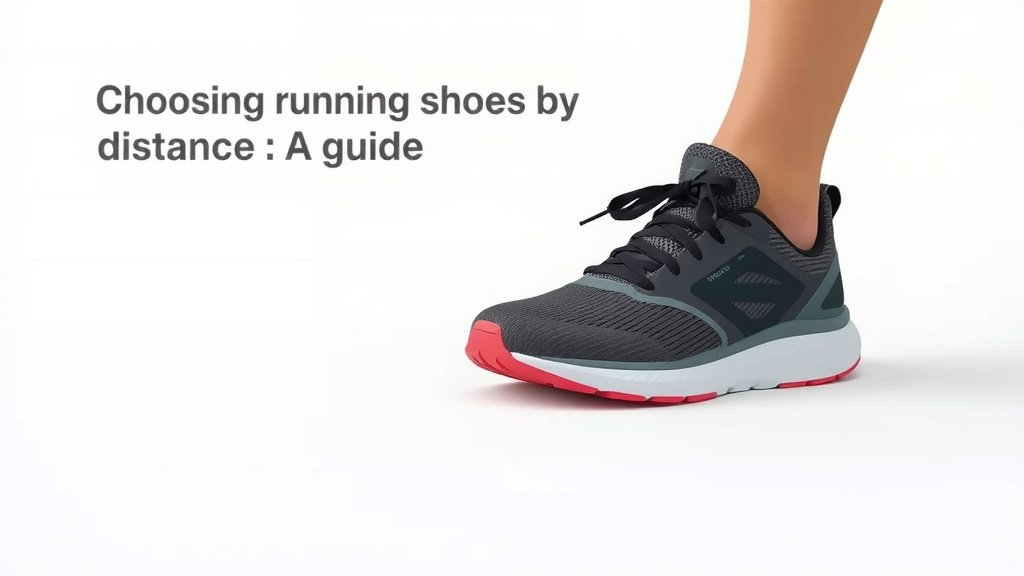
Choosing Running Shoes by Distance: A Guide
Choosing running shoes by distance is smart because different distances need different kinds of support. For short runs and speed work, lighter shoes with good cushioning are best. For long distances like marathons, you’ll want shoes with extra shock absorption and durability to keep your feet happy mile after mile. Finding the right shoe makes a big difference in your comfort and performance.
Many runners overlook how crucial shoe choice is. The miles add up, and the wrong shoes can lead to discomfort or even injury. We found that matching your shoe to your primary running distance can really improve your experience. It’s not just about looks; it’s about functionality and foot protection on your runs. Think of it as giving your feet the tools they need for the job.
- Short runs: Lighter shoes for speed.
- Long runs: More cushioning and support.
- Durability matters for distance.
- Comfort helps prevent injury.
- Match your shoes to your goals.
Let’s break down exactly how to pick the best running shoes for the distances you plan to cover.
Picking Your Running Shoes Based on How Far You Run
Choosing the right running shoes can seriously impact your comfort and performance. We found that matching your shoes to your primary running distance is a smart strategy. It helps ensure you have the right support and cushioning for the miles ahead.
Understanding Shoe Types for Different Distances
Running shoes are designed with different features in mind. Some are built for speed, while others focus on absorbing impact. Let’s look at how these differences matter for your running goals.
Shoes for Short Distances and Speed Work
If your runs are typically short, think 5k or less, or if you do a lot of speed training, you might prefer lighter shoes. These shoes often have less cushioning. They allow for a more natural feel and quicker turnover. We found that runners focusing on speed often look for shoes that are responsive and feel nimble on their feet. You want a shoe that gets out of the way so you can focus on pace.
Shoes for Moderate Distances (5k to Half Marathon)
For runners who cover a range of distances, from 5ks to half marathons, a good all-around shoe is key. These shoes offer a balance of cushioning and responsiveness. They provide enough comfort for longer runs but are still light enough for faster efforts. Many experts suggest a shoe with moderate cushioning and a durable outsole for this category. It’s like a reliable car that can handle daily commutes and occasional road trips.
Shoes for Long Distances and Marathons
When you’re training for marathons or ultra-marathons, your feet take a serious beating. You’ll want shoes with maximum cushioning and shock absorption. These shoes are built to protect your feet and joints over many miles. Durability is also a big factor. We found that marathoners often choose shoes with plush midsoles and robust outsoles. They need something that can withstand heavy mileage without breaking down too quickly. Think of them as your trusty, comfortable travel companions for those epic journeys.
Key Features to Consider by Distance
Beyond just the distance, certain shoe characteristics become more important. Let’s break down what to look for.
Cushioning: More is Often Better for Distance
Cushioning acts like a shock absorber for your feet. For longer runs, more cushioning can help reduce fatigue and impact on your joints. Many guidelines suggest that increased cushioning is beneficial for reducing perceived exertion during long-distance running (NCBI). For marathons, a thicker midsole can make a big difference in comfort by the later miles.
Weight: Lighter for Speed, Heavier for Durability
Lighter shoes generally feel faster. They are great for short races or speed sessions where every ounce counts. However, lighter shoes might sacrifice some cushioning and durability. Heavier shoes often have more robust materials and therefore last longer. They are better suited for high mileage training and long-distance running. We found that finding the right balance is personal. Some runners still want a bit of cushion even in a speed shoe.
Support and Stability: Know Your Foot Type
Shoe support depends on your foot’s natural biomechanics. Some runners pronate, meaning their foot rolls inward. Others have a more neutral gait. Shoes come in neutral and stability versions. Neutral shoes are for runners with a relatively normal arch and gait. Stability shoes have features to help control excessive inward rolling. Many podiatrists recommend choosing based on your foot strike and arch type (Cleveland Clinic). If you’re unsure, get your gait analyzed at a running store.
Durability: How Long Will They Last?
Long-distance running puts a lot of wear and tear on shoes. You want a shoe with durable materials, especially in the midsole and outsole. A shoe that breaks down too quickly won’t provide adequate support for your training. We found that looking at reviews for shoe longevity can be helpful. Typically, a well-built running shoe can last between 300 to 500 miles. This mileage can vary greatly depending on the shoe, your weight, and running surface.
Making Your Final Choice: A Practical Checklist
So, how do you put all this together? Here’s a simple checklist to guide you.
- What is your primary running distance?
- Do you prioritize speed or comfort for that distance?
- What is your foot type (neutral, pronation)?
- How much cushioning do you prefer?
- Are you looking for a shoe for daily training or racing?
- Have you considered the shoe’s expected durability?
Remember, trying shoes on is essential. What works for one runner might not work for another. Many experts recommend shopping at a specialty running store where you can get personalized advice. You can even run a short distance in the store to get a feel for the shoe.
| Running Distance | Key Features to Prioritize | What to Look For |
|---|---|---|
| Short Runs (under 5k) / Speed Work | Lightweight, Responsive, Minimal Cushioning | Flexibility, good ground feel, secure fit |
| Moderate Runs (5k to Half Marathon) | Balanced Cushioning, Moderate Weight, Good Durability | Versatile design, comfortable for longer efforts |
| Long Runs (Half Marathon+) / Marathon Training | Max Cushioning, Durable Outsole, Supportive (if needed) | Shock absorption, comfort for many miles, reliable support |
Ultimately, the best running shoe is the one that feels best on *your* feet and supports *your* running goals. Don’t be afraid to experiment until you find your perfect match!
Conclusion
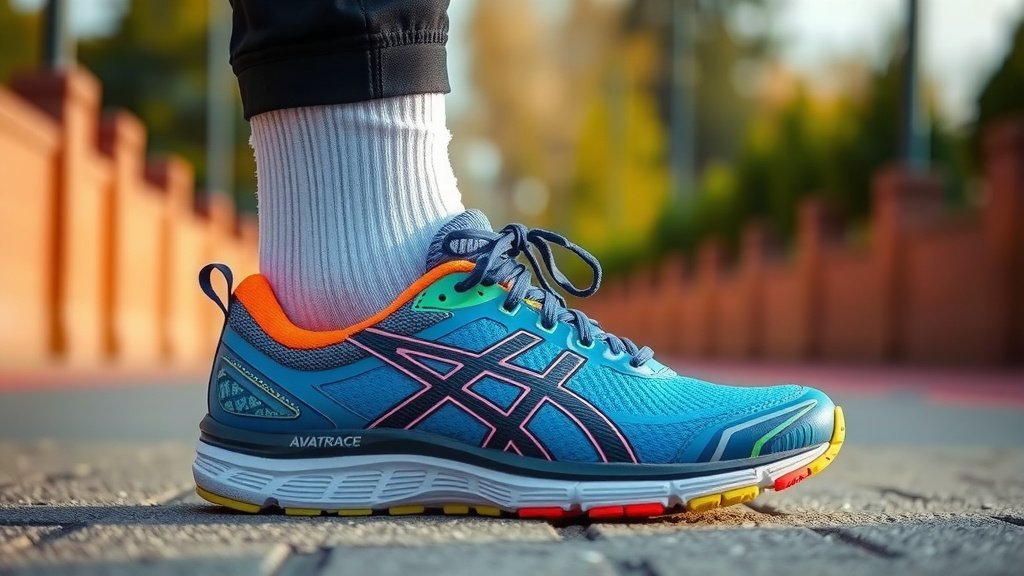
You now understand how important it is to match your running shoes to the distances you cover. Whether you’re hitting the track for speed work or training for a marathon, the right shoe makes a difference. We found that prioritizing cushioning, weight, and support based on your distance can prevent discomfort and improve your runs. Don’t forget to consider durability, too. Your next step is to visit a specialty running store. Getting expert advice and trying on shoes is the best way to find your perfect pair.
Frequently Asked Questions
Can I use the same shoes for short runs and long runs?
While you could, it’s generally not ideal. Shoes designed for short, fast runs are lightweight with minimal cushioning. Those for long runs prioritize maximum cushioning and durability. Using one shoe for both might mean sacrificing comfort or speed for certain types of runs.
How often should I replace my running shoes based on distance?
Most running shoes last between 300 to 500 miles. For high-mileage runners training for marathons, this might mean replacing shoes more frequently. You’ll start to notice a loss of cushioning and support as they wear out, regardless of the distance covered.
What if I run a variety of distances? Which shoe is best?
If you run many different distances, look for a versatile, “all-around” running shoe. These shoes offer a good balance of cushioning, responsiveness, and durability. They can handle daily training runs as well as occasional longer efforts or speed work.
Do I really need stability shoes for long runs?
Stability shoes are for runners who overpronate. If you have a neutral foot strike, you likely don’t need them, even for long runs. The key is to understand your foot type. Get a gait analysis at a running store if you’re unsure.
How does shoe weight affect my running for different distances?
Lighter shoes are often preferred for short, fast runs and races because they feel quicker. For longer distances, slightly heavier shoes might offer more cushioning and support, which can be beneficial for absorbing impact over many miles and improving durability.