Understanding Heel Striking: What It Means For Runners
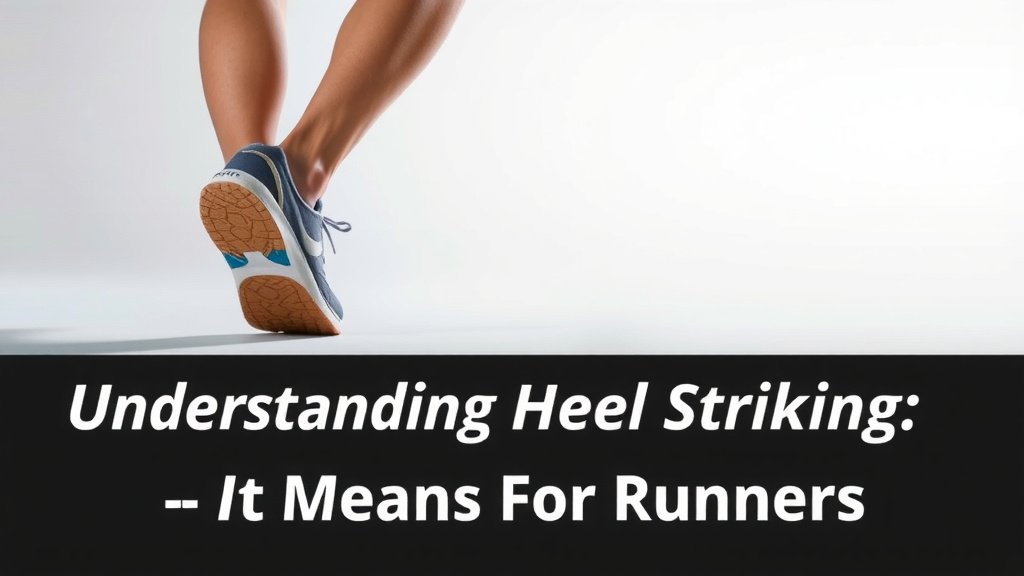
A heel striker is a runner who lands on their heel when their foot hits the ground. This is the most common landing pattern for many runners. It’s often called a “rearfoot strike”.
Understanding your foot strike can help with running form and efficiency. It can also play a role in preventing injuries. Many runners don’t even realize they are heel striking until they pay closer attention. We found this is a common area of curiosity for new and experienced runners alike.
- A heel striker lands on their heel first.
- It’s the most common foot strike pattern.
- It’s also known as a rearfoot strike.
- Knowing your strike can help with form.
Below, we’ll break down what it means to be a heel striker and what you can do about it.
Understanding Your Running Foot Strike
So, you’re curious about how your foot hits the ground when you run? That’s a smart move for any runner. Understanding your foot strike, especially if you’re a heel striker, can really help. It’s about how your foot makes contact with the surface. For many, it’s the natural way they’ve always run.
What Exactly is a Heel Strike?
A heel strike, also called a rearfoot strike, means the first part of your foot to touch the ground is your heel. Imagine your foot coming down like a descending airplane’s landing gear. The heel touches down first, then the rest of your foot follows. This is incredibly common. Many runners don’t even think about it. They just run!
Why So Many People Heel Strike
We found that heel striking is the most prevalent foot strike. Why? Several factors play a role. Your body is pretty smart. It often compensates for things like faster running speeds or less flexible ankles. When you run faster, your stride naturally shortens. This can make it harder to land further up on your foot. Your body just finds a way to make it work.
Think about it: if you’re trying to run quickly, your leg might not have enough time to rotate all the way under your body before it hits the ground. So, what’s the easiest way to land? On your heel. It’s a bit like trying to catch a ball that’s coming at you faster than you expected. You might put your hands out in front, and the heel is the first point of contact. Many experts suggest that cadence, or your step rate, also plays a role. A lower cadence can sometimes encourage heel striking.
The Mechanics of a Heel Strike
When your heel strikes the ground, there’s a natural sequence of events. Your heel hits first. Then, your foot rolls forward. It moves from the heel, through the arch, and finally to the ball of your foot. This allows your toes to push off for the next stride. It’s a fluid motion, for many people. It’s the way their legs are built to move when running.
This rolling motion helps to absorb some of the impact. It’s a bit like a shock absorber. However, the effectiveness of this absorption can vary. Factors like the type of shoe you wear and the surface you run on matter a lot. A well-cushioned shoe can help soften that initial heel impact. Running on softer trails might also feel different than pounding the pavement.
What Happens During the Stride
After your heel hits, your body weight shifts forward. Your ankle flexes. This helps to absorb some of the landing force. We found that research indicates the tibia (your shin bone) often moves forward over the foot. This is sometimes called “dorsiflexion.” It’s a key part of the heel strike mechanism. The foot then flattens out. Finally, you push off with your forefoot and toes.
Potential Downsides of Heel Striking
While heel striking is common, it’s not always the most efficient or injury-free way to run. Many coaches and sports scientists talk about the impact forces. When you land on your heel, it can create a braking effect. This means your body has to work harder to propel you forward. It’s like trying to push a car uphill. That initial heel contact can send shockwaves up your leg.
This can potentially lead to issues. We’ve heard from many runners who experienced pain. This might include shin splints, knee pain, or even hip pain. It’s not a guarantee, but it’s a common concern. The theory is that your foot is meant to land closer to your center of mass. Landing on your heel often means your foot lands out in front of you. This is known as “overstriding.”
The Overstriding Connection
Overstriding is a big part of why heel striking can sometimes be problematic. When your heel hits far in front of your body, it acts like a brake. Think of a car skidding to a halt. Instead of your foot absorbing shock directly beneath you, it’s hitting the ground ahead of your body. This can increase the stress on your joints and muscles.
We found that many running form analyses point to overstriding as a key factor in inefficient running. It requires more energy to overcome this braking force. It can also place extra strain on your Achilles tendon and calf muscles. Over time, this can contribute to fatigue and even injury.
Heel Striking vs. Midfoot/Forefoot Striking
To understand heel striking better, it helps to compare it to other foot strike patterns. The main alternatives are midfoot striking and forefoot striking. Midfoot striking means the middle part of your foot lands first. Forefoot striking means the ball of your foot lands first, often with the heel coming down afterward briefly.
Midfoot and forefoot strikes are often seen as more biomechanically efficient by some experts. They tend to land your foot more directly beneath your body. This can reduce the braking effect. It’s like landing on a spring instead of a hard brake pedal. The forces are distributed differently. They’re often absorbed closer to your body’s core.
| Foot Strike Type | What Happens First | Typical Characteristics |
|---|---|---|
| Heel Strike (Rearfoot) | Heel | Most common, can lead to overstriding, potentially higher impact. |
| Midfoot Strike | Middle of the foot | Foot lands under the body, smoother transition, can be efficient. |
| Forefoot Strike | Ball of the foot | Quick cadence, less impact shock, but can load calves/Achilles more. |
Do You Need to Change Your Foot Strike?
This is a question many runners ask. The short answer? Not necessarily! Many people run happily for years as heel strikers. If you’re not experiencing pain or injuries, and your running feels good, there might be no need to force a change. Your body has adapted to this pattern.
However, if you are experiencing discomfort, or if you’re aiming for greater running efficiency, exploring a change could be beneficial. We found that trying to drastically change your foot strike overnight is rarely a good idea. It can lead to new injuries. A gradual approach is usually best. Sometimes, small tweaks to your form can make a big difference.
Tips for Runners Who Heel Strike
If you’re a heel striker and want to improve your form or reduce potential issues, consider these points. They are based on advice from many running coaches and physical therapists.
- Focus on Cadence: Try to increase your step rate slightly. Aiming for around 170-180 steps per minute can help. This often encourages a shorter stride. It naturally brings your foot landing closer to your body.
- Run “Lightly”: Imagine running on hot coals or eggshells. This mindset can help you reduce the force of your impact. Think about making less noise when you run.
- Land Underneath You: Try to consciously think about landing your foot beneath your hips, rather than out in front. This is a key cue for reducing overstriding.
- Strengthen Your Core and Glutes: Stronger muscles in your hips and core can help you maintain better running posture. This can indirectly influence your foot strike.
- Proper Footwear Matters: Ensure you’re wearing running shoes that fit well and offer appropriate cushioning for your needs.
- Listen to Your Body: Pay attention to any aches or pains. Don’t push through sharp or persistent discomfort.
Changing your running form is a journey. It requires patience and self-awareness. By understanding what heel striking is and its potential effects, you’re already on the right track. You can make informed decisions about your running.
Conclusion
You’ve learned that being a heel striker means your heel hits the ground first when you run. It’s the most common pattern, and not necessarily bad if you’re pain-free. However, understanding it is key if you’re dealing with discomfort or aiming for better efficiency. Overstriding is often linked to heel striking, creating a braking effect that uses more energy. If you’re looking to improve, focus on small, gradual changes rather than drastic overhauls.
Your next step is to observe your own running. Try some of the tips like focusing on cadence or running “lightly.” Be patient with yourself as you make adjustments. Running is a journey, and awareness is your best tool.
Frequently Asked Questions
Is heel striking bad for your knees?
Heel striking can potentially put more stress on your knees, especially if it leads to overstriding. When your heel lands far in front of your body, it can create a jarring impact. Research indicates this can increase the forces transmitted up your leg. However, if you have good form and proper footwear, many heel strikers experience no knee pain.
Can I change my foot strike from heel to midfoot?
Yes, you can work towards changing your foot strike, but it requires patience and a gradual approach. Trying to force a change too quickly can lead to new injuries. Many runners find that focusing on increasing their cadence and landing their feet more directly underneath them naturally shifts their strike over time.
How do I know if I’m a heel striker?
The easiest way to tell is by paying attention to your body when you run. Notice which part of your foot makes contact with the ground first. You can also look at the wear pattern on your running shoes; excessive wear on the heel often indicates heel striking. Some runners find it helpful to have a friend film them running from the side.
Does shoe type affect heel striking?
Your running shoes can certainly influence your heel strike and its impact. Shoes with ample cushioning in the heel can help absorb some of the shock associated with a rearfoot strike. Conversely, minimalist shoes might encourage a more natural foot strike, but could also highlight any issues if you’re a heavy heel striker without sufficient conditioning.
Should I worry if I’m a heel striker and don’t have pain?
If you’re a heel striker and experience no pain or injuries, you likely don’t need to worry. Many people run comfortably and effectively using a heel strike pattern. Your body has adapted to it. Focus on maintaining good overall running form and listen to your body for any changes.