How Many Running Shoes Do You Really Need
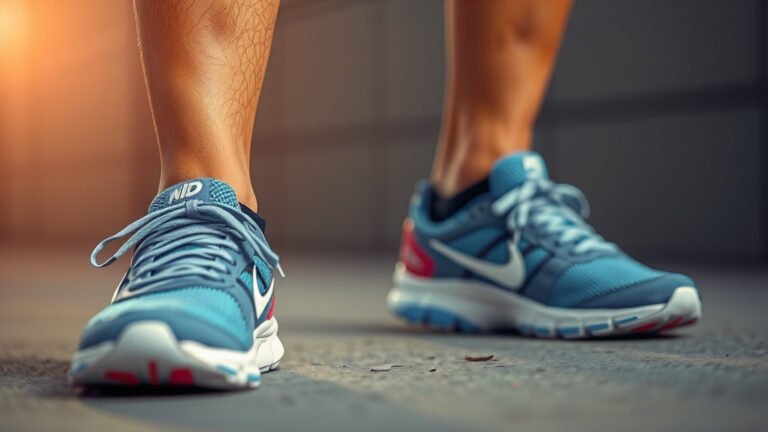
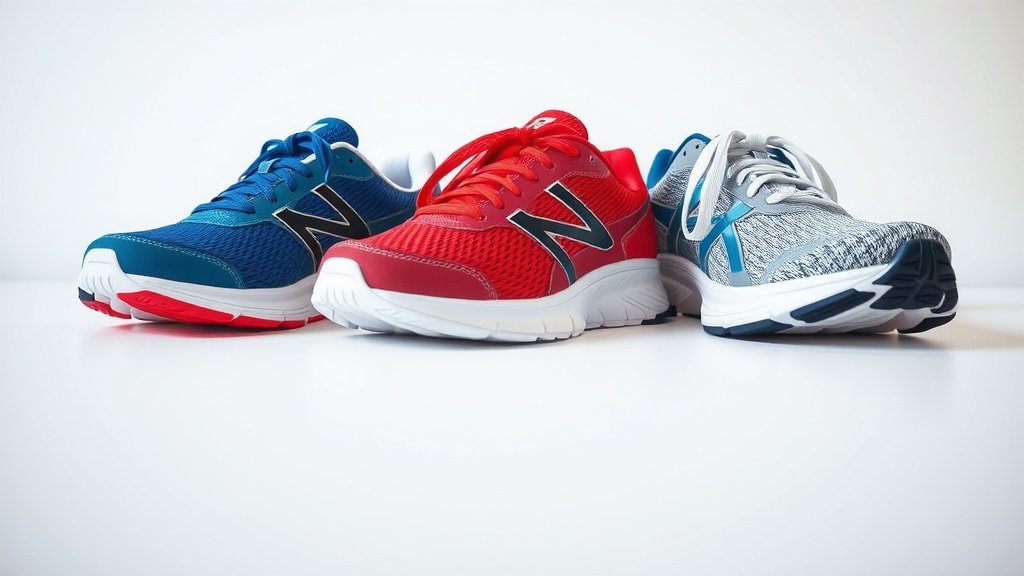
You likely don’t need more than one pair of running shoes at a time, but owning a second pair can be beneficial for many runners. The ideal number depends on your running frequency, intensity, and personal preference. Many runners find that having two pairs allows for rotation, which can extend shoe life and reduce injury risk.
Rotating between two pairs of running shoes can help them last longer. When you give a pair a day off, the foam inside has time to rebound fully. This can help prevent common running injuries. We found that many runners benefit from this simple practice, especially those logging more than 20 miles per week.
- Most runners need 1-2 pairs of running shoes.
- Rotating shoes helps them last longer.
- It can also help prevent running injuries.
- Consider your mileage and running goals.
Let’s walk through exactly how many pairs might be right for you and why.
How Many Running Shoes Do You Really Need?
The short answer is likely one or two pairs. You probably don’t need a whole closet full of running shoes. But having a second pair can offer some nice benefits. Think of it like having two favorite mugs – one for your morning coffee and one for your afternoon tea. Both get the job done, but having options can be nice.
Many runners find that rotating between two pairs is the sweet spot. This simple practice can actually make your shoes last longer. It also offers a bit of a buffer against potential injuries. We’ve found that for most active runners, two pairs strike a good balance.
The Case for Owning Just One Pair
If you’re just starting out, or if you run only a couple of times a week, one good pair might be all you need. It’s perfectly fine to use one pair until it shows signs of wear. For many casual runners, this means replacing shoes maybe once or twice a year.
A single pair is also simpler. You don’t have to think about which pair to grab. You just lace them up and go. For those who are just getting into running or have very low mileage, this is a perfectly sensible approach.
Why a Second Pair Can Be a Game Changer
So, why do so many runners swear by having two pairs? It all comes down to something called shoe rotation. Imagine your running shoes are like sponges. When they’re full of sweat and impact from a run, they need time to dry out and recover.
When you give your shoes a day off, the foam cushioning inside them has a chance to rebound and regain its shape. This “rest” period is important. It helps the shoe maintain its shock-absorbing qualities for longer.
Extending the Lifespan of Your Shoes
Running shoes don’t last forever. The foam compresses with each step, and the outsole wears down. If you run every day in the same pair, you’re constantly pressing down on that foam. This can speed up the compression process.
By having two pairs and alternating them, you’re essentially doubling the time before each pair reaches its mileage limit. If a pair is rated for 300-500 miles, using two pairs might mean you get closer to that total mileage from each pair. It’s like giving your shoes a mini-vacation between runs.
Reducing Your Risk of Injury
This is where shoe rotation really shines. When running shoes lose their cushioning, they don’t absorb impact as well. This means your body has to work harder to do that job. Over time, this can lead to common running injuries.
Researchers have looked into this. Studies suggest that rotating shoes can help reduce the risk of overuse injuries. When your shoes are fresh and their cushioning is intact, they offer better support and shock absorption. This can protect your feet, ankles, and knees.
Many experts suggest that if you run more than 20 miles per week, you really start to benefit from rotating shoes. Your body experiences more repetitive stress at higher mileage, making shoe cushioning more critical.
Factors That Influence How Many Pairs You Need
Your personal running habits play a big role. Think about how often you run and how far. These are the biggest drivers.
Your Running Frequency
If you run daily, you absolutely need more than one pair. A single pair wouldn’t have enough time to dry and recover between runs. For daily runners, two pairs are often the minimum. Some high-mileage runners might even consider three.
If you run 3-4 times a week, two pairs are usually ideal. This gives each shoe a couple of days to rest between uses. It’s enough to get the benefits of rotation without overcomplicating things.
Your Weekly Mileage
As mentioned, higher mileage means more wear and tear on your shoes. If you’re training for a marathon and running 50 miles a week, one pair will break down much faster. It’s also more important to have that cushioning working optimally.
For runners logging less than 15 miles per week, one pair is likely sufficient. The wear and tear isn’t as substantial. You can easily get by with a single, well-fitting pair.
The Type of Running You Do
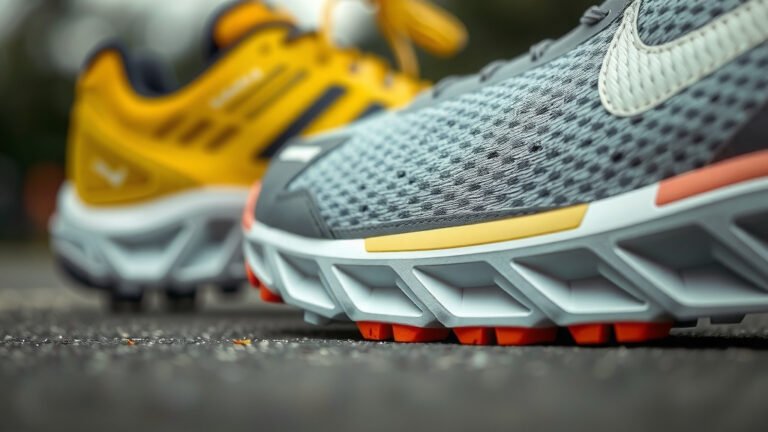
Do you mostly run on roads, trails, or a treadmill? Different surfaces can affect your shoes differently. Trail shoes, for example, have more robust outsoles that can be tougher but might wear down faster on pavement.
If you do a mix of running, like road running during the week and trail running on weekends, you might consider having separate shoes for each. This ensures you have the right grip and support for each surface.
Comfort and Personal Preference
Sometimes, it just comes down to what feels good. You might find you simply prefer the feel of a slightly different shoe on different days. Maybe one pair feels a bit firmer, and you like that for faster runs. Another might feel softer, which is great for long, easy runs.
It’s also about listening to your body. If your feet feel tired or achy, switching to a different pair might help. This is a form of personal injury prevention. Your body often tells you what it needs.
When to Consider a Third Pair (or More!)
Three pairs might seem like a lot, but it can make sense for some dedicated runners. If you’re logging very high mileage, perhaps 50+ miles per week, having three pairs can really help distribute the load. It gives each pair even more rest time.
It also allows for specialization. You might have one pair for daily training, another for speed work or races, and a third for long runs. This ensures each shoe is optimized for its specific purpose. However, for the vast majority of runners, this is usually overkill.
A Quick Checklist for Your Running Shoe Needs
Wondering if you’re covered? Here’s a simple checklist to help you decide:
- Do you run 3 or more times per week?
- Do you run more than 15-20 miles weekly?
- Do your current shoes feel flat or offer less cushioning?
- Do you experience foot or leg fatigue after runs?
- Do you want to help your shoes last longer?
- Do you want to try and reduce injury risk?
If you answered “yes” to a few of these, it might be time to think about getting a second pair. It’s a small investment that can pay off in comfort and longevity for your feet and your gear.
Conclusion
You’ve learned that for most runners, one or two pairs of running shoes are plenty. Owning a second pair isn’t about having a bigger collection; it’s about smarter running. Rotating your shoes helps the cushioning rebound, extending their life and potentially reducing injuries. If you’re running frequently or logging higher mileage, consider adding that second pair. Your feet and your favorite shoes will thank you. Take a moment to assess your current running habits and decide if it’s time to give your shoes a rest and invest in a second pair for better comfort and performance.
Frequently Asked Questions
Can I really just use one pair of running shoes forever?
While you can technically use one pair, it’s not ideal for long-term running health. Your shoes lose their cushioning and support over time and with every mile. Using one pair means they wear out faster, and you miss out on the injury-prevention benefits of rotation.
How do I know when my running shoes are worn out?
Look for signs like the foam feeling flat or less responsive, the outsole tread being significantly worn down, or experiencing new aches and pains after runs. A general guideline is 300-500 miles, but this varies based on your weight, running style, and the shoe itself.
Is it okay to run in wet or muddy shoes?
It’s best to avoid running in excessively wet or muddy shoes if possible. Wet shoes can cause blisters and don’t offer the same support. Letting them air dry completely between runs is crucial for their longevity and your comfort.
Do I need different shoes for trail running versus road running?
Yes, it’s highly recommended. Trail shoes have different tread patterns for grip on uneven terrain and often offer more protection from rocks and roots. Road shoes are designed for smooth surfaces and prioritize cushioning and a smoother ride.
Will rotating shoes really help me avoid injuries?
Research suggests that rotating shoes can help reduce overuse injuries. By allowing the foam to recover between runs, your shoes maintain their shock-absorbing qualities better. This means your body experiences less repetitive stress, which is a key factor in injury prevention.