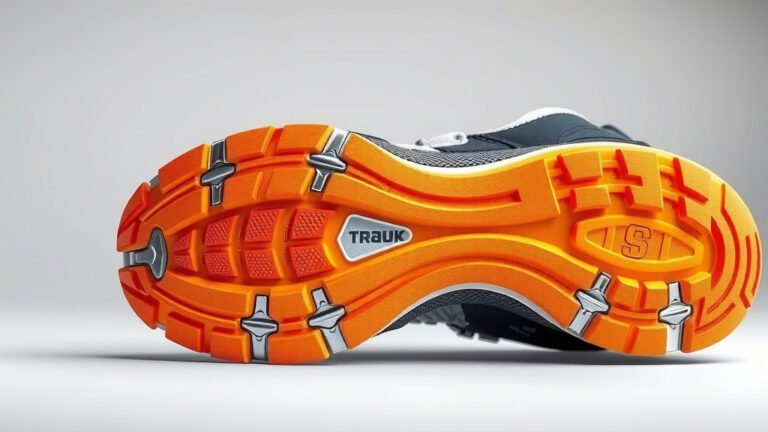
Extend Shoe Life: Proper Running Shoe Storage Tips
Storing your running shoes properly is key to keeping them in great shape and making them last longer. The best way to store running shoes involves ensuring they are clean and dry before placing them in a cool, dry spot away from direct sunlight and extreme temperatures. This simple approach helps maintain their cushioning and support. For specialized shoes, our guide on how to store carbon plate shoes offers more detailed advice.
Proper storage goes beyond just tossing them in a closet. Many runners overlook how environmental factors can degrade shoe materials. Keeping them away from heat sources, like radiators or car trunks, and out of damp basements is highly recommended by shoe care experts. This helps prevent mold growth and material breakdown.
- Always clean and dry shoes before storing.
- Choose a cool, dry location away from heat.
- Avoid direct sunlight and extreme temperatures.
- Consider using shoe trees for shape retention.
- Rotate your running shoes to let them air out.
Let’s walk through exactly how to give your running shoes the best storage treatment so they stay ready for your next run.
Taking Care of Your Running Shoes for Longevity
Your running shoes are more than just footwear. They are your partners on the road, trail, and track. Keeping them in tip-top condition means they can perform their best for longer. Proper storage is a simple yet powerful way to extend their lifespan. Let’s explore how to give your running shoes the best care when they’re not on your feet.
The Essential First Steps: Cleaning and Drying
Before you even think about where to put your running shoes, a little prep work is necessary. Imagine storing a wet towel; it wouldn’t be pleasant. The same applies to your shoes. Mud, sweat, and dirt can degrade materials over time if left unchecked.
Cleaning Your Running Shoes
A gentle cleaning is usually all that’s needed. Most running shoes can be cleaned with mild soap and cool water. You can use a soft brush or an old toothbrush to scrub away dirt. For stubborn stains, a bit more effort might be required. We found that avoiding the washing machine or dryer is best.
Why avoid the washing machine? Harsh detergents and the tumbling action can break down the glues and delicate fabrics in your shoes. The heat from a dryer can warp the foam and warp the overall structure. Stick to hand washing for the safest results.
Ensuring They Are Completely Dry
This step is as important as cleaning. Damp shoes are a breeding ground for odors and mold. You want your shoes to be thoroughly dry before they go into storage. This prevents any unwanted guests from setting up shop inside your footwear. By rotating your shoes, you give each pair adequate rest time between runs.
The best way to dry them is to let them air dry at room temperature. Stuff them with newspaper or paper towels to help absorb moisture from the inside. Change the paper every few hours if they are very wet. Avoid direct heat sources like radiators or hair dryers, as these can damage the materials.
Choosing the Right Storage Environment
Where you store your running shoes makes a big difference. Think of it like storing food. You wouldn’t leave milk out on the counter, right? Your shoes have materials that can be negatively affected by their surroundings.
The Ideal Location: Cool and Dry
A cool, dry place is your goal. This means avoiding steamy bathrooms, damp basements, or hot garages. Humidity and moisture can lead to material breakdown and mildew. Excessive heat can also cause the foam to degrade prematurely, reducing its cushioning properties.
Many experts suggest a closet or a shelf in a temperature-controlled room. This offers consistent conditions that are gentle on your shoe materials. Think of it as a spa day for your sneakers. You want to keep them comfortable and protected.
Avoiding Extreme Temperatures and Sunlight
Direct sunlight is another enemy of running shoes. The UV rays can fade colors and break down the synthetic materials over time. It’s like a sunburn for your shoes! They’ll lose their vibrancy and structural integrity.
Similarly, extreme temperatures, whether hot or cold, can cause materials to become brittle or warp. Leaving them in a hot car trunk during summer or a freezing shed in winter is not recommended. These environments are too harsh for the sensitive components of running shoes.
Maintaining Shoe Shape During Storage
Keeping your running shoes in their original shape helps them perform better on your runs. This is especially true for the midsole, which provides cushioning and support.
Using Shoe Trees
Shoe trees are a fantastic tool for maintaining the form of your running shoes. They are inserted into the shoe to help preserve its shape. They can also absorb residual moisture and reduce odors. Cedar shoe trees are particularly popular because cedar has natural deodorizing and moisture-wicking properties.
You can find shoe trees made from wood or plastic. For running shoes, a simple wooden or plastic shoe tree that fits well is usually sufficient. They help prevent creasing and ensure the shoe maintains its intended structure. Many runners find this simple addition makes a noticeable difference.
Stuffing Your Shoes
If shoe trees aren’t readily available, you can use crumpled newspaper or plain paper towels. This serves a similar purpose by helping the shoe retain its shape. It also aids in absorbing any lingering moisture. Just be sure the paper is dry when you use it!
Don’t overstuff them, though. You want to fill the void gently, not force the shoe into an unnatural shape. The goal is subtle support, not stretching.
Rotation and Resting: Giving Shoes a Break
Do you have more than one pair of running shoes? If so, you’re already on the right track. Rotating your running shoes is a smart strategy for both their longevity and your foot health.
Why Rotation Matters
When you wear running shoes, the foam cushioning compresses. This compression can take up to 24-48 hours to fully rebound. By allowing your shoes to rest between runs, you give the cushioning materials time to recover their shape and support. This means they’ll feel better and perform better on each subsequent run.
We found that runners who rotate between two or more pairs often experience fewer injuries. This is likely due to the consistent support provided by shoes that have had adequate recovery time. It’s like letting your muscles rest after a tough workout.
A Simple Checklist for Storing Your Running Shoes
Here’s a quick rundown to make sure your shoes are stored perfectly:
- Ensure shoes are clean and dry before storing.
- Find a cool, dark, and dry location.
- Keep them away from heat sources and direct sunlight.
- Use shoe trees or paper stuffing to maintain shape.
- Rotate your shoes to allow for proper recovery.
- Store them in a well-ventilated area.
Considering Specific Storage Solutions
Beyond the basic principles, there are some specific storage ideas that might work for you. It all depends on your space and how many pairs of shoes you have.
Shoe Racks and Organizers
A dedicated shoe rack can be a great investment. It keeps your shoes off the floor and allows for good air circulation around them. Many racks are designed to maximize space, perfect for smaller homes or apartments.
Look for racks that offer individual slots or shelves for each pair. This prevents shoes from being crushed against each other. Some organizers even have mesh sides, promoting better airflow. We found that a well-designed shoe rack makes it easier to keep track of all your running companions.
Using Original Boxes (with a Caveat)
While storing shoes in their original boxes might seem like a good idea for protection, it’s not always ideal for long-term storage. The cardboard can trap moisture and prevent adequate airflow. This can sometimes lead to a less-than-fresh environment for your shoes.
If you do choose to use boxes, consider leaving them slightly open or poking a few ventilation holes. This helps mitigate the risk of trapped moisture. However, for everyday storage, open shelving or a shoe rack is generally preferred for better air circulation.
| Location Type | Pros | Cons |
|---|---|---|
| Closet (temperature-controlled) | Stable temperature, protection from light and dust. | Can lack airflow if not managed well. |
| Garage/Shed | Can offer space. | Prone to extreme temperatures and humidity. |
| Bathroom | Convenient if you change there. | Often too humid and warm. |
| Car Trunk | Accessible for travel. | Extreme temperature fluctuations. |
Conclusion
You’ve learned that storing your running shoes correctly is a simple way to boost their performance and lifespan. Remember to always clean and thoroughly dry them before putting them away. A cool, dry spot away from heat and direct sunlight is ideal. Using shoe trees or stuffing them can help maintain their shape. Rotating your pairs gives the cushioning time to recover. By following these steps, you’re ensuring your favorite running companions are always ready for your next adventure. Make it a habit to give your shoes the care they deserve!
Frequently Asked Questions
How often should I clean my running shoes before storing them?
Clean your running shoes after every few runs, or whenever they get visibly dirty or muddy. Allowing dirt and sweat to sit can degrade the materials over time. A quick wipe-down is better than nothing if a full wash isn’t feasible.
Can I store my running shoes in a plastic bin?
Storing running shoes in a plastic bin can be okay if the bin is not airtight. You want some airflow to prevent moisture buildup. Ensure the shoes are completely dry before placing them inside, and consider adding a silica gel packet if you live in a humid climate.
What’s the best way to store running shoes if I have limited space?
If space is tight, consider vertical shoe racks or wall-mounted organizers. You can also hang shoes from the laces on hooks, provided they are clean and dry. Another option is to place them on shelves inside a closet or a dedicated storage bench.
Is it okay to store wet running shoes for a short period?
It’s best to avoid storing wet running shoes, even for a short time. Dampness encourages mold and mildew growth, leading to odors and material damage. Always air them out and dry them thoroughly before storing them away.
Will storing my running shoes in a shoe bag help?
A breathable shoe bag can offer protection from dust and minor scuffs. However, ensure the shoes are completely dry before bagging them. Avoid non-breathable plastic bags, as they can trap moisture and hinder air circulation, similar to keeping them in a closed box.