Ball of Foot Pain Running: Causes Explained
Ball of foot pain when running usually happens because of too much pressure or overuse. Common culprits include wearing the wrong shoes or pushing too hard, too fast. You might be experiencing metatarsalgia, which is pain in the ball of your foot. Understanding the cause is the first step to getting relief.
This common running woe can stem from various factors. We found that issues like high arches, tight calf muscles, or even just a sudden increase in mileage can contribute. Sometimes, a stress fracture or nerve conditions can also mimic ball of foot pain. It’s important to pay attention to these signals your body sends.
- Too much pressure on the ball of your foot.
- Overdoing your running routine.
- Wearing unsupportive or worn-out shoes.
- Sudden increases in running distance or intensity.
Let’s walk through exactly what might be causing your discomfort and what you can do about it.
Why Your Ball of Foot Hurts When Running
It’s no fun when the front part of your foot feels like it’s on fire. This pain, often called metatarsalgia, is a common complaint among runners. But don’t worry, you’re not alone, and understanding what’s causing it is the first step toward getting back to pain-free miles.
The Pressure Points: Understanding the Mechanics
Your feet are amazing shock absorbers, but they have limits. Running puts a lot of force on your feet, especially on that metatarsal pad – the fleshy part right behind your toes. When this area takes on too much impact or stress, it can become inflamed and sore.
Excessive Load and Impact
Think of your metatarsals as tiny bones supporting the front of your foot. When you run, each step sends a jolt through them. If this force becomes too great, or if it’s concentrated in one area, it can lead to pain. We found that this is often the primary culprit.
Foot Anatomy Matters
Sometimes, it’s just how you’re built. Certain foot structures can make you more prone to ball of foot pain.
High Arches
If you have high arches, your heel and the ball of your foot might be doing most of the work. This means less of your foot is making contact with the ground. That can lead to extra pressure on the metatarsal heads. Research shows this can increase stress on those specific bones (NCBI).
Short First Metatarsal
This is a less common, but important, anatomical variation. If your first metatarsal bone (the big toe’s bone) is shorter than usual, the second metatarsal bone has to bear more weight. This can overload the second metatarsal area, causing pain there.
Muscle Imbalances and Tightness
The muscles in your feet and legs play a crucial role in distributing impact. When they aren’t working in harmony, problems can arise.
Tight Calf Muscles
Are your calf muscles feeling like guitar strings? Tight calves can alter your running form. They might cause you to land more heavily on your forefoot. This increased push-off force can put a lot of stress on the ball of your foot. Many physical therapists point to this as a common contributor.
Weak Intrinsic Foot Muscles
The small muscles within your feet help stabilize and support your arch. If these are weak, they can’t do their job effectively. This means other parts of your foot, including the metatarsals, have to work harder. Keeping these muscles strong is key for runners.
Running Habits and Training Errors
How you run and how much you run can significantly impact your feet. Small changes in your routine can sometimes lead to big problems.
Sudden Increases in Mileage or Intensity
Did you recently double your long run distance or add speed work? Your body, especially your feet, needs time to adapt. Jumping into too much too soon is a recipe for overuse injuries. We found that a gradual progression is essential for preventing pain.
Inadequate Warm-up and Cool-down
Skipping your warm-up or cool-down? You might be missing out on vital preparation and recovery. A good warm-up gets blood flowing to your muscles. A cool-down helps them relax. Both are important for preventing strain.
Running on Hard Surfaces
Pounding the pavement every day? Concrete and asphalt are unforgiving surfaces. They don’t absorb much shock. Running on softer surfaces like trails or even a track can significantly reduce the impact on your feet.
The Role of Your Footwear
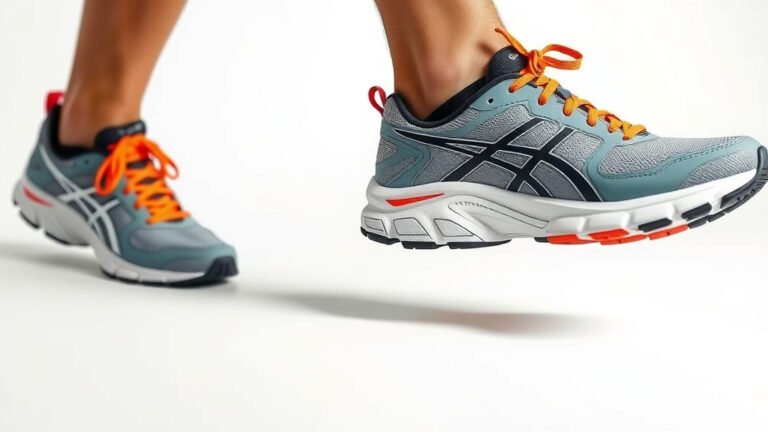
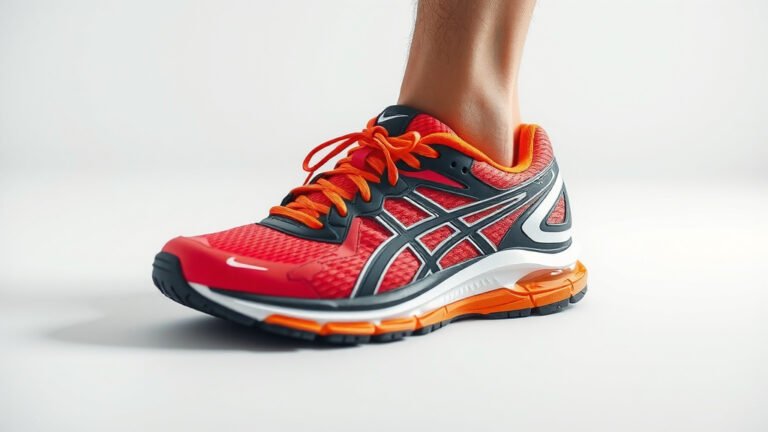
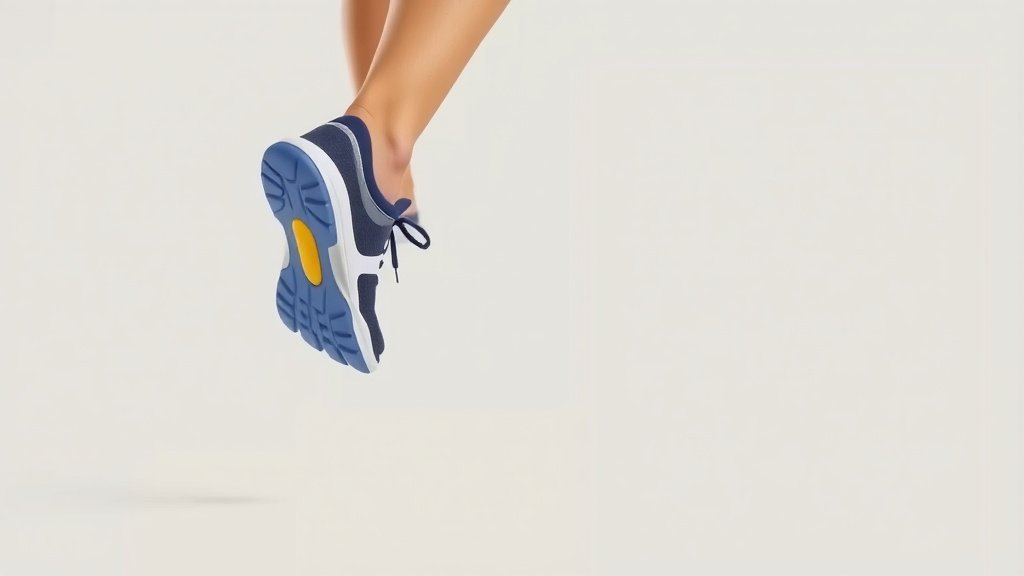
Your running shoes are your primary line of defense against impact. Wearing the wrong ones can spell disaster for your feet.
Worn-Out Shoes
Running shoes lose their cushioning and support over time. Even if they look okay on the outside, the internal structure breaks down. Experts suggest replacing running shoes every 300-500 miles (Mayo Clinic). Old shoes offer less protection and can lead to increased foot stress.
Improper Fit or Type
Are your shoes too narrow? Do they lack cushioning? Are they designed for the wrong type of running? Wearing shoes that don’t fit well or aren’t suited for your foot type or running style can cause irritation and pain. A shoe that’s too flat might not offer enough arch support. One that’s too tight can compress nerves.

Other Potential Contributors
While less common, other factors can also lead to ball of foot pain.
Weight Gain
Carrying extra weight puts more stress on your feet. Each step carries a heavier load, increasing the pressure on your metatarsals. Gradual weight loss can therefore alleviate some of that pressure.
Foot Conditions and Injuries
Sometimes, the pain might be a symptom of something more specific.
Stress Fractures
These are tiny cracks in the bone, often caused by repetitive force. A stress fracture in one of your metatarsals can feel like a deep ache or bruise in the ball of your foot. It usually worsens with activity (Cleveland Clinic).
Nerve Entrapment (Neuroma)
A neuroma is a thickening of the nerve tissue, most commonly between the third and fourth toes. It can cause a sharp, burning pain or a feeling like you have a pebble in your shoe. Tight shoes are often a major factor here.
Quick Checklist for Relief
Ready to start feeling better? Here’s a quick rundown of things to consider:
- Evaluate your running shoes for wear and tear.
- Assess your training schedule for sudden increases.
- Check for tightness in your calf muscles.
- Consider your foot’s natural arch structure.
- Listen to your body and don’t push through sharp pain.
- Pay attention to how your shoes fit and feel.
Conclusion
It’s clear that ball of foot pain when running stems from a combination of factors. You might be experiencing too much pressure due to your foot’s natural structure, muscle imbalances, or training errors. Your running shoes also play a big role. By understanding these potential causes, you can take the first step toward finding relief. Your next step should be to evaluate your footwear and training habits. Listen to your body and make small adjustments to get back to pain-free running.
Frequently Asked Questions
How long does ball of foot pain usually take to heal?
Healing time varies depending on the cause and severity. Rest, proper footwear, and addressing underlying issues are key. For minor strains, you might feel better in a few days. More serious conditions like stress fractures can take several weeks or even months to fully recover.
Can I still run if I have ball of foot pain?
It’s generally best to avoid running if you’re experiencing sharp or persistent pain. Pushing through it can worsen the injury. Consider cross-training with low-impact activities like swimming or cycling until the pain subsides. Gradually reintroduce running as pain allows.
What are the best shoes for ball of foot pain when running?
Look for shoes with good cushioning and support, especially in the forefoot. A wider toe box can prevent compression, and a slight heel-to-toe drop might help reduce pressure. Consider consulting a running shoe specialist for personalized recommendations.
Can stretching help relieve ball of foot pain?
Yes, certain stretches can help, especially if tight calf muscles or foot muscles are contributing to your pain. Calf stretches and toe flexor exercises can be beneficial. However, avoid stretching if it increases your pain. Always listen to your body.
When should I see a doctor for ball of foot pain?
You should see a doctor if your pain is severe, sudden, doesn’t improve with rest, or is accompanied by swelling or bruising. They can diagnose underlying issues like stress fractures or nerve problems and recommend appropriate treatment.