
Running with Flat Feet: Support Tips for a Better Stride
Supporting your flat foot while running is achievable with the right approach. The best ways include wearing supportive shoes, using custom or over-the-counter orthotics, and performing specific strengthening exercises. Many runners find that addressing the unique needs of flat feet significantly reduces discomfort and improves their running experience.
Running with flat feet doesn’t have to mean sidelined pain. Understanding how your foot mechanics work is key. We’ve found that a combination of proper footwear and targeted exercises can make a big difference for many people.
TL;DR:
- Wear shoes with good arch support.
- Consider insoles or orthotics.
- Strengthen your foot and calf muscles.
- Listen to your body and rest when needed.
Ready to run more comfortably? Let’s walk through exactly how to support your flat feet so you can enjoy your miles.
Running Comfortably with Flat Feet: Your Action Plan
Having flat feet doesn’t mean you have to give up on running. It just means you need to be a little more mindful of how you support your arches. We found that by making a few smart choices, you can run pain-free and enjoy every stride. It’s all about understanding your feet and giving them the support they need.
Choosing the Right Running Shoes for Flat Feet
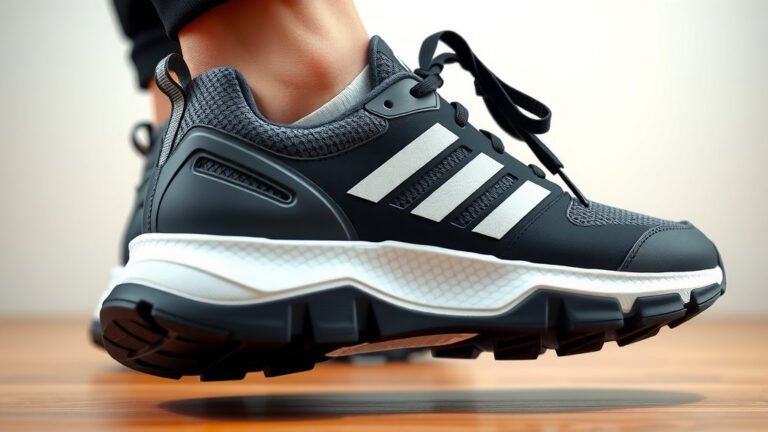
Your running shoes are your first line of defense. For flat feet, you’ll want shoes that offer excellent stability and cushioning. We looked into what makes a shoe good for this, and it often comes down to its construction.
Understanding Stability vs. Neutral Shoes
This is a big one. Many runners with flat feet tend to overpronate. This means your foot rolls inward more than it should. Stability shoes are designed to help prevent this excessive inward roll. They often have denser foam on the inside edge of the sole or a supportive post to guide your foot. Neutral shoes, on the other hand, are for runners whose feet don’t overpronate much.
What to Look For in Supportive Footwear
When you’re shoe shopping, pay attention to a few key features:
- Arch Support: Look for shoes with a built-in, firm arch. It should feel like it’s actually supporting the arch of your foot, not just pressing into it.
- Midsole Material: A firm midsole can prevent your arch from collapsing. Some shoes use dual-density foam for this.
- Heel Counter: A strong heel counter helps lock your heel in place, providing more overall stability.
- Flexibility: While you want support, the shoe should still allow for natural foot movement. It should flex at the ball of your foot, not in the middle of the arch.
We found that trying on several pairs from different brands is super helpful. What feels supportive to one person might not to another. Don’t hesitate to spend time in the store walking and even jogging a bit if you can.
Insoles and Orthotics: Added Support for Your Arches
Sometimes, even the best running shoes need a little extra help. This is where insoles and orthotics come into play. Think of them as custom-built support systems for your shoes.
Over-the-Counter Insoles
These are widely available and can offer a good level of arch support. They are generally softer and less rigid than custom orthotics. Many experts suggest starting here if you’re unsure. They can make a noticeable difference in comfort for many runners (Cleveland Clinic). You can find them in drugstores and sporting goods stores.
Custom Orthotics: The Personalized Solution
For more significant support needs, custom orthotics might be the answer. These are made specifically for your feet, often after a podiatrist or physical therapist has analyzed your gait and foot structure. They are usually more rigid and provide very targeted support. They can be an investment, but many runners find them to be worth it for long-term pain relief and improved performance.
When to Consider Orthotics
If you’ve tried supportive shoes and still experience pain or discomfort, it might be time to explore orthotics. Persistent arch pain, heel pain, or shin splints can sometimes be linked to inadequate foot support. A gait analysis can help determine if you’re overpronating excessively.
Strengthening Exercises for Flat Feet and Arches
Supporting your feet with shoes and orthotics is great, but building strength from within is also key. Stronger foot and calf muscles help your feet function better naturally. We found that consistent, targeted exercises can work wonders.
Foot Strengthening Exercises
These exercises focus on the small muscles within your feet:
- Towel Curls: Sit with your foot flat on a towel. Use your toes to scrunch the towel towards you. Repeat several times.
- Marble Pickups: Place a small pile of marbles on the floor. Use your toes to pick them up one by one and place them in a container.
- Toe Spreading: Sit with your feet flat. Try to spread your toes apart as wide as you can, then relax.
Calf Strengthening Exercises
Strong calves support your foot and ankle mechanics:
- Calf Raises: Stand with your feet hip-width apart. Slowly rise up onto the balls of your feet, hold for a second, and then lower back down. You can do these on a flat surface or with your forefoot on a step for a greater range of motion.
- Eccentric Calf Stretches: For this, you’ll want to stand on the edge of a step with your heels hanging off. Slowly lower your heels as far as you can, feeling a stretch in your calf. Then, use your good leg to push yourself back up to the starting position. Repeat with the other leg.
We found that dedicating even 5-10 minutes a day to these exercises can lead to noticeable improvements over time. Consistency is more important than duration.
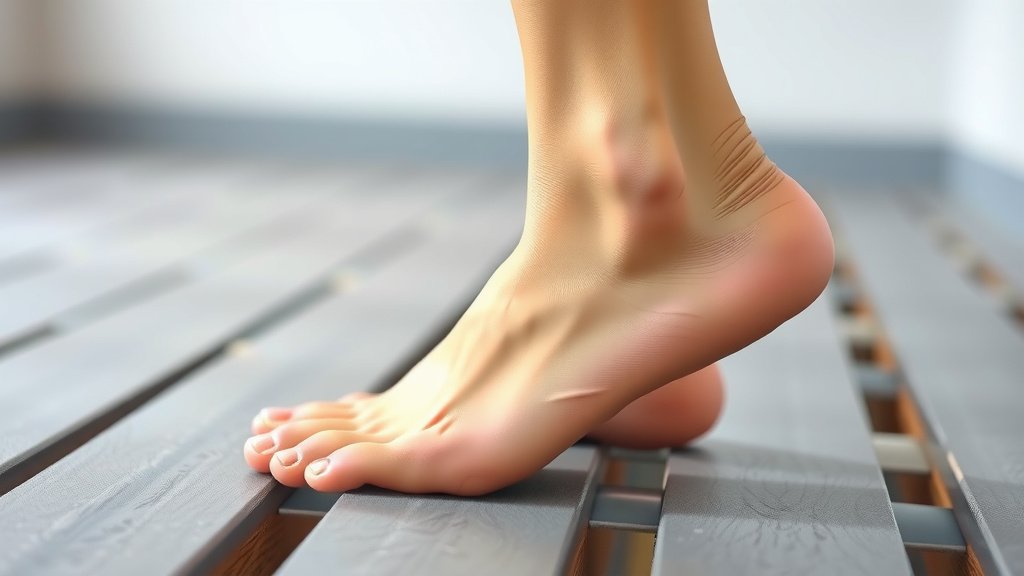
Listen to Your Body and Manage Your Mileage
Even with the best support and exercises, it’s important to be smart about your running. Pushing too hard, too soon, can set you back.
The Importance of Gradual Progression
If you’re new to running or increasing your mileage, do it slowly. A common guideline is not to increase your weekly mileage by more than 10% (ACSM). This gives your body, including your feet, time to adapt to the increased stress.
Rest and Recovery Are Non-Negotiable
Rest days are just as important as running days. They allow your muscles to repair and rebuild. If you feel pain, don’t try to run through it. It’s better to take an extra rest day or two than to risk a more serious injury.
Your Checklist for Supporting Flat Feet While Running
Here’s a quick rundown to help you get started:
- Assess your current running shoes for adequate support.
- Try on several pairs of stability running shoes.
- Consider over-the-counter insoles for added arch support.
- Incorporate foot and calf strengthening exercises into your routine.
- Gradually increase your running mileage and listen to any pain signals.
- Don’t skip your rest days!
Conclusion
Supporting your flat feet while running is all about smart choices and consistent effort. You’ve learned how crucial the right running shoes are, focusing on stability and cushioning. We also covered how insoles and orthotics can provide that extra layer of needed support. Remember, building strength in your feet and calves through targeted exercises plays a huge role too. By combining these strategies and listening to your body, you can significantly reduce discomfort and enjoy your runs more. Your next step is to assess your current shoes and consider trying out some of the supportive options we discussed.
Frequently Asked Questions
Will I always have pain when running with flat feet?
Not necessarily! While flat feet can present challenges, they don’t automatically mean you’ll experience persistent pain. By implementing the right support strategies, such as choosing stability shoes, using orthotics, and strengthening your feet, you can often run comfortably and pain-free.
How quickly can I expect to feel a difference after getting new shoes or orthotics?
Many runners notice an improvement in comfort within a few runs after switching to supportive shoes or adding orthotics. However, it can take a few weeks for your body to fully adjust. If you’re doing strengthening exercises, consistency is key, and you might see noticeable benefits after several weeks of regular practice.
Can I use any type of insole for my flat feet, or do I need special ones?
While any insole might offer a little cushioning, we found that insoles specifically designed for arch support are most beneficial for flat feet. Look for over-the-counter options that provide a firm but comfortable arch. If your pain persists, custom orthotics prescribed by a professional might be a better solution.
Are there any running activities I should avoid with flat feet?
You don’t necessarily need to avoid specific running activities, but it’s wise to be mindful. High-impact activities or running on very hard surfaces for extended periods could put more stress on your feet. Gradually increasing mileage and intensity, along with proper support, helps your feet adapt to most running environments.
How do I know if my flat feet are causing my running pain?
If you experience pain in your arches, heels, or shins that worsens with running, it’s a strong indicator. Excessive inward rolling of your foot (overpronation) is common with flat feet and can contribute to these issues. A gait analysis from a podiatrist or physical therapist can confirm if your foot mechanics are the root cause.