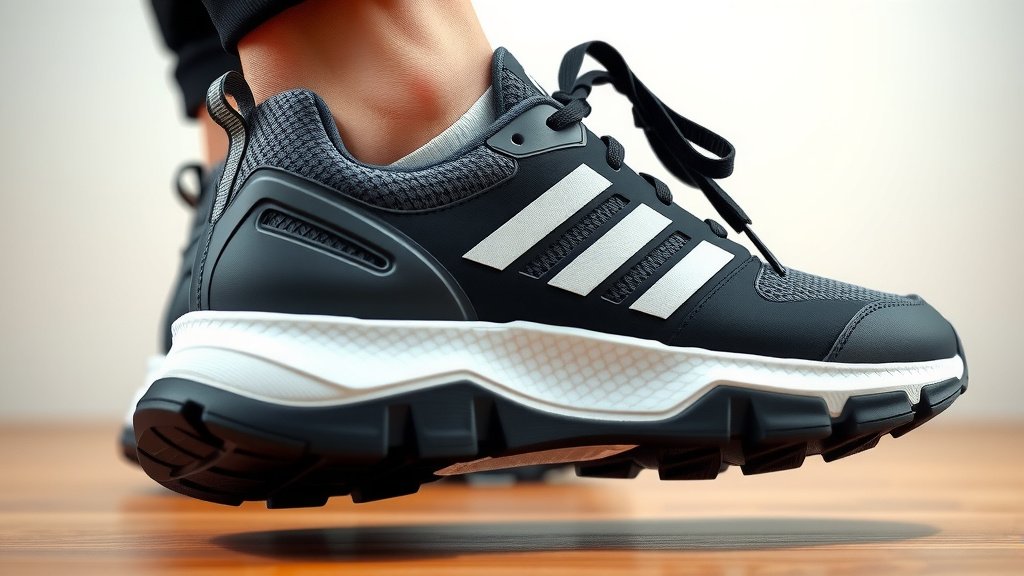
Maximalist Running Shoes Explained: Everything You Need to Know
A maximalist running shoe is designed to offer the most cushioning and support possible. These shoes feature thick midsoles made of soft, responsive foam. They aim to provide maximum comfort and impact absorption for your runs. Our guide to choosing daily training running shoes can help you find the right pair for your routine.
You might be wondering if all that foam is too much. Many runners find these shoes reduce fatigue and stress on their legs and joints. They are often a great choice for longer distances or for those seeking a softer feel underfoot. We found that the extra cushioning can really make a difference.
- Maximalist shoes are all about plush cushioning.
- They have very thick midsoles for comfort.
- Great for long runs or joint protection.
- They help absorb impact with every step.
Ready to feel like you’re running on clouds? Let’s dive into what makes these shoes so special and if they’re the right fit for your stride.
Understanding Maximalist Running Shoes: What’s All That Foam About?
So, you’re curious about maximalist running shoes. What makes them different from your average pair? It all comes down to one thing: plush cushioning. These shoes are engineered with the thickest midsoles you’ll find. Think of them as a luxury car for your feet, offering the ultimate comfort and shock absorption.
The primary goal of a maximalist shoe is to reduce the impact your body experiences with every stride. This is especially beneficial for runners who log a lot of miles or those who feel jarring impact on harder surfaces. We found that the science behind shock absorption is pretty impressive.
The Anatomy of a Maximalist Shoe
Let’s break down what you’re getting with these generously cushioned shoes. It’s more than just thick foam; it’s a carefully designed system.
The Midsole: The Heart of the Cushion
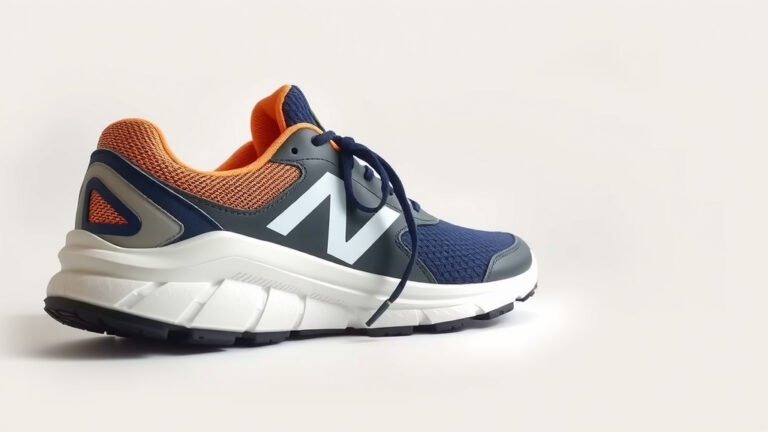
The most defining feature is undoubtedly the oversized midsole. This layer sits between the outsole and the upper of your shoe. In maximalist designs, this midsole is substantially thicker than in other shoe types. It’s made from soft, yet responsive, foam compounds. These foams are designed to compress and rebound, absorbing landing forces.
We found that different brands use various proprietary foam blends. Some focus on pure softness, while others aim for a balance of softness and energy return. This means you can still feel a bit of pep in your step, even with all that padding.
The Outsole: Grip and Durability
While the midsole gets all the glory, the outsole plays a vital role. It’s typically made of durable rubber. The design often features strategically placed pods or a full-coverage layer. This provides traction on various surfaces. It also adds to the shoe’s overall lifespan.
You might notice less aggressive tread patterns compared to trail shoes. That’s because maximalist shoes are generally designed for roads and smoother paths. This keeps the ride smooth and prevents debris from getting caught easily.
The Upper: Comfort and Security
The upper part of the shoe is just as important. It needs to hold your foot securely without feeling restrictive. Maximalist shoes often feature breathable mesh uppers. They are designed to be soft and accommodating. Some models might have a padded tongue and collar for extra comfort.
Even with all the cushioning underfoot, a good upper ensures your foot stays put. This prevents unnecessary movement and potential blisters. It’s about creating a harmonious system where every component works together.
Who Benefits Most from Maximalist Running Shoes?
These shoes aren’t just a trend; they can be a game-changer for many runners. Who should consider giving them a try?
The Long-Distance Runner
If you’re training for marathons, half-marathons, or just love spending hours on your feet, these shoes can be a lifesaver. The ample cushioning helps reduce fatigue over extended periods. It lessens the cumulative stress on your legs and joints. Many marathoners swear by them for race day comfort.
Runners Seeking Joint Protection
Anyone who experiences joint pain, especially in their knees, hips, or ankles, can find relief. The high stack of foam acts like a buffer. It absorbs shock more effectively than thinner-soled shoes. Research suggests that increased cushioning can lead to lower impact forces on the body (Journal of Applied Biomechanics).
Beginner Runners
New to the running scene? Maximalist shoes can offer a more forgiving introduction. They make the running experience feel softer and less punishing. This can help build confidence and make it easier to stick with a training plan. You might find yourself looking forward to your runs more.
Runners with Specific Biomechanical Needs
Some runners may benefit from the inherent stability that a wider base and generous cushioning can provide. While not designed as motion control shoes, the sheer volume of material can offer a stable platform for some. However, it’s always best to consult with a running specialist for personalized advice.
Are Maximalist Shoes Too Much of a Good Thing?
It’s a valid question: can you have too much cushioning? For some runners, the answer might be yes. Maximalist shoes are designed for comfort and impact protection, but they aren’t for everyone.
Potential Downsides to Consider
One common concern is a potential loss of ground feel. With so much foam, you might not feel the surface as much. Some runners prefer a more connected feel to the road. Additionally, the sheer volume can make them feel heavier than minimalist shoes. This might not be ideal for runners focused on speedwork or racing shorter distances.
We also found that some runners might experience a slight instability if they have very strong ankles or a gait that requires a more minimalist feel. It really depends on your individual biomechanics and preferences. It’s a personal journey to find what works best for your feet.

Comparing Cushioning Levels: A Quick Guide
To help you visualize, let’s compare the general cushioning levels in running shoes.
| Shoe Type | Midsole Thickness | Primary Goal | Typical Use Case |
|---|---|---|---|
| Maximalist | Very Thick | Maximum Cushioning & Impact Protection | Long Runs, Recovery Runs, Joint Comfort |
| Moderate Cushioning | Medium | Balanced Cushioning & Responsiveness | Daily Training, Versatile Use |
| Minimalist | Very Thin | Lightweight, Ground Feel, Natural Motion | Speedwork, Short/Medium Runs, Experienced Runners |
Making the Switch: Tips for Trying Maximalist Shoes
Ready to experience the plush ride? Here are a few things to keep in mind:
- Start Gradually: Don’t ditch your old shoes overnight. Mix them into your rotation.
- Listen to Your Body: Pay attention to how your feet and legs feel.
- Consider Your Runs: Are they mostly long and slow? These shoes shine there.
- Proper Fit is Key: Even with extra cushion, ensure a snug heel and toe box.
- Try Them On: Always best to test them in a store if possible.
- Be Patient: It can take a few runs to get used to the feel.
Finding the right running shoe is a personal adventure. Maximalist options offer a distinct experience, prioritizing comfort and protection above all else. They can be a fantastic tool in your running arsenal, especially for those seeking a softer landing with every mile.
Conclusion
You’ve learned that maximalist running shoes are all about supreme cushioning and protecting your joints. Their thick midsoles offer a plush, comfortable ride, especially for Our guide to choosing running shoes by pace explains how to find the best fit for slower paces.long distances or recovery runs. While they provide excellent shock absorption, remember they might reduce ground feel for some. We found that mixing them into your running routine is the best way to see if they suit your stride. Ready to give them a try? Your next step is to visit a local running store and feel that extra cushioning for yourself!
Frequently Asked Questions
Are maximalist shoes good for beginners?
Yes, many beginners find maximalist shoes to be a forgiving choice. The extra cushioning makes running feel softer and less impactful. This can help build confidence and reduce the initial discomfort often associated with starting a running program.
Can maximalist shoes help with knee pain?
Absolutely. The substantial foam midsoles are designed to absorb impact forces effectively. This can significantly reduce stress on your knees and other joints, potentially offering relief to runners experiencing pain.
Will maximalist shoes slow me down?
They might. Because of their bulk and focus on cushioning, maximalist shoes can feel heavier than other shoe types. This makes them less ideal for speedwork or racing, but they are fantastic for daily training and longer, slower runs where comfort is key.
How do I know if I need a maximalist shoe?
Consider them if you run long distances, experience joint discomfort, or simply prefer a very soft, plush feel underfoot. If you value ground feel or focus heavily on speed, they might not be your first choice.
Do I have to wear maximalist shoes all the time now?
Not at all. Many runners benefit from having a pair of maximalist shoes in their rotation. You can use them for specific types of runs, like long runs or recovery days, while using other shoes for different workouts.