Support High Arches: A Runner’s Guide
Supporting a high arch when running often means finding shoes with ample cushioning and looking for ways to improve your foot’s natural shock absorption. You might need to use supportive insoles to help distribute pressure more evenly. This can make a big difference in comfort and prevent common running aches.
High arches mean less of your foot touches the ground. This can lead to less natural shock absorption and put more stress on your heel and the ball of your foot. Experts often recommend seeking out shoes designed for a neutral gait and considering added arch support features. It’s all about giving your feet the help they need to keep you moving comfortably.
- Look for running shoes with plenty of cushioning.
- Consider using supportive insoles or orthotics.
- Focus on strengthening your feet and ankles.
- Ensure your shoes offer a good heel-to-toe drop.
Ready to make your runs more comfortable? Let’s get into the specifics of how you can best support your high arches while hitting the pavement.
“`htmlRunning Strong with High Arches: Your Support Guide
If you have high arches, you know that running can sometimes feel like a shock to your system. Your feet might not absorb impact as well as others. This can lead to discomfort. But don’t worry, there are smart ways to support your arches. You can make your runs more enjoyable. We’re here to help you find the right approach. It’s all about giving your feet the support they need.
Understanding Your High Arch Needs
High arches mean less of your foot’s surface area makes contact with the ground. This can create pressure points. Think of it like walking on stilts. Your heel and the ball of your foot bear a lot of the load. This lack of natural shock absorption is a key factor. It’s why extra support can be so beneficial for runners with this foot type.
The Mechanics of High Arches
When you run, your foot should ideally pronate slightly. Pronation is the natural inward rolling motion. It helps distribute impact. For those with high arches, this motion is often limited. Your foot might stay more rigid. This means less cushioning from your own body. Your shoes then have a bigger job to do. They need to pick up the slack.
Common Challenges for High-Arch Runners
Without proper support, you might experience several issues. These can include pain in the arches themselves. You may also feel discomfort in your heels or the balls of your feet. Shin splints are another common complaint. Sometimes, pain can even travel up to your knees or hips. Paying attention to these signals is smart.
Choosing the Right Running Shoes for High Arches
Your running shoes are your first line of defense. Picking the right pair is essential. You’re looking for specific features that cater to your foot’s structure.
Focus on Cushioning and Neutral Support
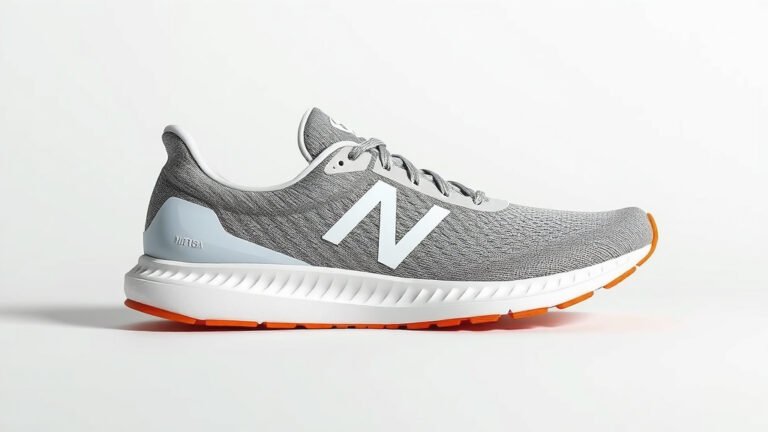
Shoes designed for neutral runners are often the best bet for high arches. These shoes don’t try to correct your foot’s motion. Instead, they offer good cushioning. They let your foot move as naturally as possible. Look for shoes with plenty of foam in the midsole. This extra padding acts like a shock absorber. It helps soften landings. Many shoe brands clearly label their shoes as neutral. You can also look for descriptions like “plush cushioning.”
Understanding Heel-to-Toe Drop
The heel-to-toe drop is the difference in height between the heel and the forefoot of a shoe. For high arches, a moderate heel-to-toe drop can be beneficial. We found that a drop between 8-12mm often works well. This can help reduce strain on your Achilles tendon and calf muscles. It encourages a more natural stride. Avoid shoes with a zero drop or very low drop unless you’ve specifically been advised to use them. These require more foot and ankle strength. Our guide to running shoe drop explains how a moderate heel-to-toe drop can benefit high arches.
Material Matters: Breathability and Fit
Beyond cushioning, consider the shoe’s upper material. You want something breathable. This keeps your feet cool and dry. A snug fit is also key. Your foot shouldn’t slide around inside the shoe. Look for shoes with a good lacing system. This allows you to customize the fit. A secure heel counter can also prevent your foot from rolling excessively.
When to Consider Insoles or Orthotics
Sometimes, even the best shoes aren’t enough. This is where insoles and orthotics come in. They provide an extra layer of support tailored to your foot.
Off-the-Shelf Insoles: A Good Starting Point
Many runners find relief with over-the-counter insoles. These are designed to add arch support and cushioning. They can help distribute pressure more evenly across your foot. When shopping, look for insoles specifically marketed for high arches or neutral support. Many guidelines suggest they can help improve comfort for up to 70% of runners (American Podiatric Medical Association).
Custom Orthotics: For Personalized Support
If off-the-shelf options don’t cut it, custom orthotics might be the answer. These are made by a podiatrist. They are molded specifically to your feet. This provides the most precise support. Custom orthotics can correct biomechanical issues. They can help manage pain and prevent injuries. Talk to your doctor or a foot specialist about this option.

Strengthening Your Feet and Ankles
While shoes and insoles help from the outside, strengthening your feet and ankles can build resilience from within. Stronger muscles can improve your foot’s natural shock absorption. This is a long-term strategy for comfort.
Simple Exercises to Try
Here are a few exercises you can easily incorporate into your routine:
- Calf Raises: Stand with your feet flat. Slowly rise onto the balls of your feet, then lower back down. Repeat 10-15 times.
- Towel Curls: Sit with your feet flat on a towel on the floor. Use your toes to scrunch the towel towards you. Repeat 10-15 times.
- Toe Spreads: Sit with your feet flat. Try to spread your toes as wide as possible. Hold for a few seconds, then relax. Repeat 10-15 times.
- Ankle Circles: Lift one foot off the ground. Rotate your ankle in a circular motion, both clockwise and counterclockwise. Do 10-15 circles in each direction.
The Role of Flexibility
Don’t forget flexibility. Tight calf muscles can put extra stress on your feet. Regular stretching can help. Focus on calf stretches and plantar fascia stretches. Stretching before and after runs is a good habit to build.
A Quick Checklist for High-Arch Runners
Here’s a quick recap of things to keep in mind:
- Prioritize running shoes with ample cushioning.
- Opt for shoes labeled as neutral.
- Consider a moderate heel-to-toe drop (8-12mm).
- Explore supportive insoles or custom orthotics if needed.
- Incorporate foot and ankle strengthening exercises.
- Don’t neglect regular stretching for your calves and feet.
Conclusion
Supporting your high arches while running is all about smart choices. You’ve learned that prioritizing plush cushioning and neutral support in your shoes is key. Don’t forget that insoles and a focus on strengthening your feet and ankles can also make a huge difference in comfort. Start by assessing your current running shoes and consider adding supportive insoles. Then, begin incorporating simple foot exercises into your routine. Your feet will thank you for it!
Frequently Asked Questions
Can running with high arches cause pain?
Yes, running with high arches can sometimes cause pain if they aren’t properly supported. This pain often occurs in the arch itself, the heel, or the ball of your foot due to less natural shock absorption. Finding the right shoes and support can help prevent this discomfort.
What kind of socks are best for high arches?
Look for moisture-wicking socks made from synthetic blends or merino wool. These help keep your feet dry and reduce friction, which is important for preventing blisters. Seamless construction is also a plus to avoid irritation points.
How often should I replace running shoes for high arches?
Generally, running shoes should be replaced every 300-500 miles. For runners with high arches, paying close attention to the shoe’s cushioning is important, as it can break down over time. If you notice reduced support or comfort, it’s likely time for a new pair.
Is it okay to run barefoot with high arches?
For most people with high arches, running barefoot is not recommended, especially on hard surfaces. Your arches naturally provide less shock absorption, so the impact can be quite jarring. It’s usually best to wear supportive running shoes.
Can I stretch my high arches to make them flatter?
You cannot physically change the height of your arch. However, stretching your calf muscles and the plantar fascia can improve flexibility. This can help reduce strain and improve your foot’s ability to absorb shock, making running more comfortable.