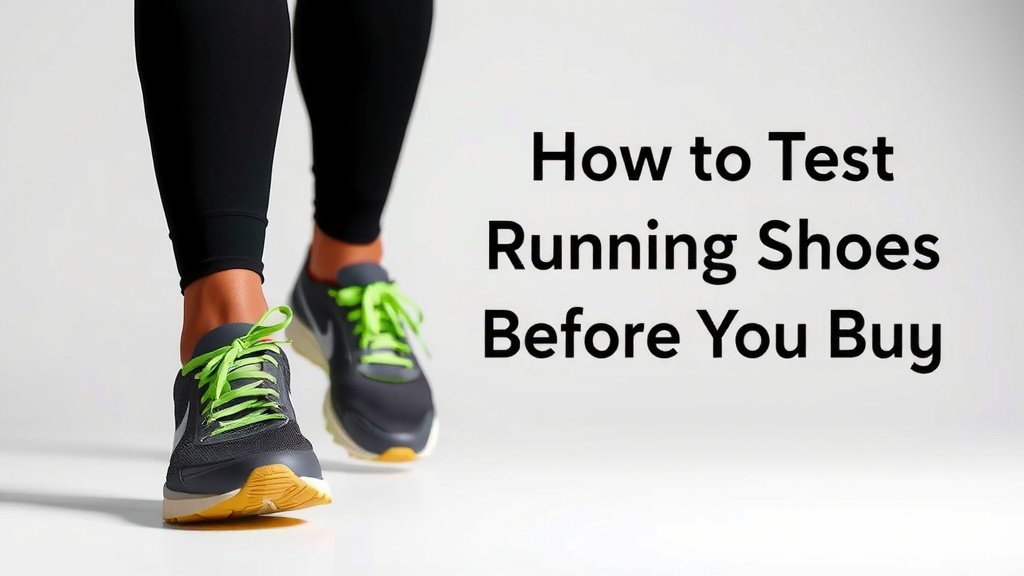
How to Test Running Shoes Before You Buy
Testing running shoes before buying them is super important for happy feet. You can do this by trying them on in-store and going for a short jog. This helps you feel how they fit and move with your feet. It’s the best way to ensure a good match for your running style.
Choosing the right running shoes prevents aches and pains. It also helps you perform better. We found that many runners skip this step. Then they end up with shoes that just don’t feel right. Paying attention to a few key things makes a big difference.
- Try shoes on late in the day.
- Wear your usual running socks.
- Walk and jog around the store.
- Check for pinching or rubbing.
- Consider the return policy.
Ready to find your perfect pair without the guesswork? Let’s walk through exactly how to test running shoes to make sure they’re the right fit for you.
Trying On Running Shoes: Your First Step to Happy Miles
Knowing how to test running shoes before you buy them is the smartest move you can make for your running journey. It’s like test-driving a car before you sign on the dotted line. You wouldn’t buy a car without a test drive, right? Your feet deserve the same attention. We found that many runners rush this process, leading to discomfort later.
When to Go Shoe Shopping: Timing is Everything
You might not think it matters when you buy shoes, but it really does. Your feet tend to swell throughout the day. This is especially true if you’ve been on them a lot.
The Best Time to Shop
Many experts recommend shopping for running shoes later in the day, ideally in the afternoon or evening (American Academy of Podiatric Sports Medicine). This is when your feet are at their largest. Trying on shoes then gives you a more accurate feel for how they’ll fit during a run. You want to avoid that tight, constricting feeling when you’re miles from home.
Wear Your Usual Running Gear
Don’t forget to bring the socks you actually run in. Running socks are often thicker than everyday socks. They can significantly change how a shoe fits. Wearing them ensures you’re testing the shoe with the exact setup you’ll use on your runs. It’s a small detail that makes a big difference in the overall comfort and fit.
The In-Store Test Drive: What to Do
Once you’re in the store, it’s time to get hands-on. Don’t be shy about trying on multiple pairs. Shoe stores are there to help you find the right fit. You’re not bothering anyone by taking your time to get it right.
The Fit Check: Beyond Just Size
Getting the right size is just the beginning. You need to assess how the shoe feels from heel to toe.
Toe Box Freedom
Pay close attention to the toe box. This is the front part of the shoe that houses your toes. You should have about a thumb’s width of space between your longest toe and the end of the shoe. Your toes shouldn’t feel cramped or jammed together. They need room to splay naturally when you land and push off.
Heel Security
Your heel should feel snug but not tight. There shouldn’t be excessive slipping as you walk or jog. A heel that slides too much can cause blisters and instability. Research shows that a secure heel fit contributes to better biomechanics (National Institutes of Health).
Midfoot Comfort
The arch of the shoe should feel comfortable against your foot. It shouldn’t feel like there’s a lump or a gap. If you have high arches or flat feet, you might notice this more. The shoe should support your foot’s natural shape without feeling intrusive.
Movement is Key: Walk and Jog
Just standing in the shoes isn’t enough. You need to simulate running motion.
The Store Lap
Walk around the store for a few minutes. Pay attention to any pinching, rubbing, or uncomfortable pressure points. Then, if the store allows, do a short jog. Many running stores have a treadmill or a safe area for this. This is where you’ll really feel how the shoe moves with your foot. Does it feel stiff? Does it flex naturally with your stride?
Listen to Your Feet
Your feet will tell you a lot. Are there any hot spots developing? Do you feel any jarring or shock that feels too harsh? These are all important signals. Trust your instincts. If something feels off, it probably is. Many runners report pain originating from poor shoe choices.
Understanding Shoe Features and Your Needs
Different shoes are designed for different types of runners and surfaces. Understanding these differences helps you choose wisely.
Cushioning Levels
Shoes come with varying amounts of cushioning. Some runners prefer a plush, soft feel. Others like a firmer, more responsive ride. Think about your typical running surface and distance. For longer runs or harder surfaces, more cushioning might be beneficial. For faster runs or softer trails, you might want less.
Support and Stability
If you tend to overpronate (your foot rolls inward excessively), you might need stability shoes. These offer more structured support. Neutral shoes are for runners whose feet land more evenly. If you’re unsure about your pronation, many running stores offer gait analysis services to help.
What About Online Purchases?
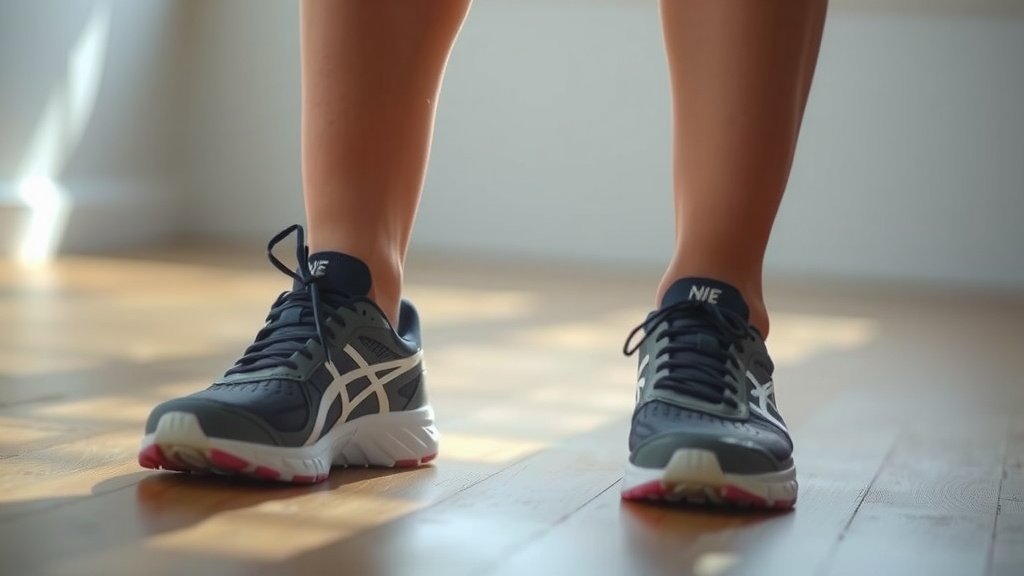
Buying running shoes online can be convenient, but it makes testing them harder. If you do buy online, make sure the retailer has a generous return policy. You’ll need to try them on at home. Walk around your house. Jog in place. See how they feel. If they aren’t right, you can send them back without losing money. This still isn’t as good as an in-store test, though. Buying running shoes online can be convenient, but it makes testing them harder, especially if you have bad hips.
The Final Check: Before You Commit
You’re almost there! A few final steps can seal the deal or help you reconsider.
The Return Policy is Your Friend
Before you make the purchase, always ask about the store’s return policy. A good policy allows you to return unworn shoes within a certain timeframe, even if you’ve tried them on. Some specialty running stores even offer a grace period after you’ve run in them a few times. This is great peace of mind.
Comfort Over Everything Else
Ultimately, the best running shoe is the one that feels most comfortable to *you*. Don’t get swayed by trends or what your friends are wearing. Research by the American College of Sports Medicine suggests that comfort is a strong predictor of shoe performance and injury prevention. If a shoe fits well and feels good during your in-store test, you’re on the right track.
Here’s a quick checklist for your next shoe shopping trip:
- Shop late in the day.
- Bring your running socks.
- Allow ample time for trying on.
- Check toe, heel, and arch fit.
- Walk and jog around the store.
- Understand the return policy.
Conclusion
Finding the right running shoes doesn’t have to be a gamble. You’ve learned that taking a few key steps can make all the difference for your comfort and performance. Remember to shop when your feet are naturally a bit larger, wear your usual running socks, and give yourself plenty of time to really test them out. Pay close attention to how they feel on your toes, heel, and arch. Don’t forget to walk and jog a bit to truly feel the shoe in action. You’ve learned that taking a few key steps can make all the difference for your comfort and performance in ultra running.
Your best next step is to schedule a visit to a specialty running store. Use the knowledge you’ve gained to have a conversation with their experts. This intentional approach will help you find shoes that feel great and support your running goals. Happy miles ahead!
Frequently Asked Questions
Is it really necessary to test running shoes in-store?
Yes, testing shoes in-store is highly recommended for the best results. It allows you to feel the fit and cushioning firsthand before buying. You can walk and jog in them, which is hard to replicate with online purchases.
How much space should I leave in the toe box?
You should aim for about a thumb’s width of space between your longest toe and the end of the shoe. This ensures your toes have room to move and won’t get crammed, especially during impact.
What if I have specific foot issues like flat feet or high arches?
If you have specific foot concerns, it’s even more important to test shoes carefully. Some stores offer gait analysis, which can help identify the best shoe type for your arch height and pronation. Don’t hesitate to ask staff for help.
Can I test shoes by just walking around the store?
While walking is a good start, it’s not the complete test. If the store allows, you should try a short jog. This movement mimics running more closely and helps you feel how the shoe performs with more impact.
What if I buy shoes online and they don’t feel right?
If you buy online, always check the retailer’s return policy first. You’ll need to try the shoes on indoors and walk around to assess the fit. If they feel off, initiate a return immediately according to their policy to avoid being stuck with them.