
Are Super Shoes Legal in Races? Your 2026 Guide
Yes, super shoes are generally legal in races, but with important restrictions. World Athletics has rules about shoe stack height and plate technology. These rules aim to keep races fair for everyone. Your shoes need to meet these specific standards to be used in official competitions.
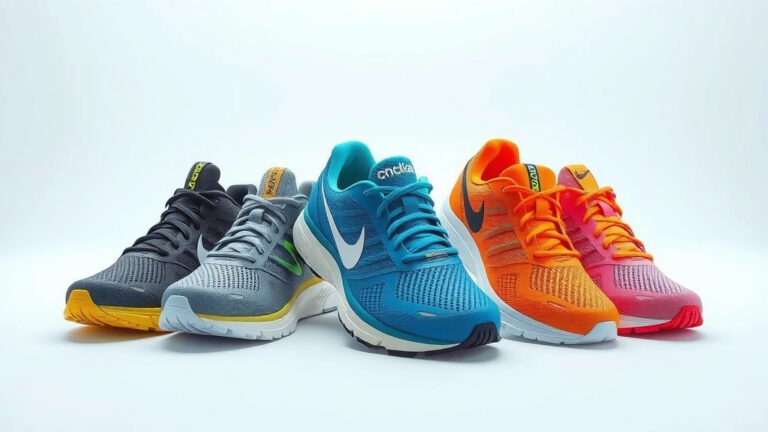
These advanced shoes often feature thick foam midsoles and embedded carbon plates. While they can offer a significant performance boost, governing bodies like World Athletics monitor their development closely. They want to ensure that shoe technology doesn’t overshadow the athlete’s own ability.
- Super shoes are mostly legal in races.
- There are specific rules about shoe design.
- Stack height and plate technology are key factors.
- Always check the latest regulations before a race.
We’ve gathered the facts on what makes a shoe legal and what to watch out for. Let’s break down the rules so you can race with confidence.
“`htmlWhat Are the Rules on Super Shoes for Racing?
Generally, you can use super shoes in most races. World Athletics sets the standards. These are the international governing body for track and field. They aim to keep competition fair for all athletes. Your shoes must meet their technical rules. If they don’t, you might be disqualified.
Understanding World Athletics Shoe Regulations
World Athletics introduced rules for shoe construction. This happened after the rapid rise of “super shoes.” These shoes use advanced foam and plates. The goal is to limit technology’s impact. It ensures that the athlete’s training and talent are the primary factors. We want to know that the race is won by the runner, not just the shoe.
Stack Height: The Thickness Matters
One of the main regulations is about stack height. This is the total thickness of the shoe’s sole. For road races, the maximum stack height allowed is 40 millimeters. This measurement includes the insole. For track events, the rules differ slightly. This limit helps prevent shoes from providing too much cushioning or propulsion. Think of it like a springboard; too much spring gives an unfair advantage.
Carbon Plates: How Many and Where?
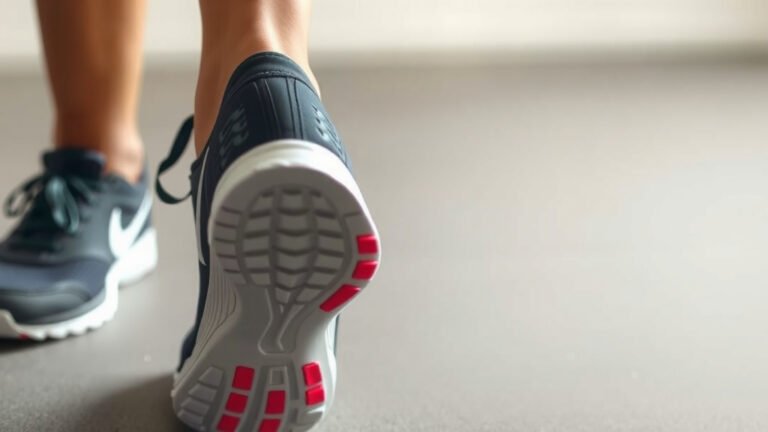
Super shoes often contain a carbon fiber plate. This plate is embedded within the midsole. World Athletics rules state that there can only be one rigid plate. This plate should not extend the full length of the shoe. It typically runs from the heel to the forefoot. The rule ensures that the plate aids natural foot movement. It’s not meant to act like a rigid lever. We found that this rule is consistent across most major competitions.
Availability and Prototype Shoes
There are also rules about when a shoe can be used. A shoe model must be available to the public. It needs to be on the open market for a certain period. This rule prevents athletes from using custom prototypes. These prototypes might offer an unseen edge. World Athletics requires that any shoe used in competition must have been available for purchase for at least four months. This levels the playing field for everyone.
How to Check if Your Shoes Are Legal
So, how do you make sure your favorite pair is race-day ready? It’s pretty straightforward. You need to look at the specific rules for your race or event. Major marathons and road races generally follow World Athletics guidelines. However, some smaller races might have their own interpretations or slightly different rules.
Consulting the Official Rules
The best approach is to check the official race website. Look for a section on “Technical Regulations” or “Allowed Equipment.” You can also visit the World Athletics website for their most current shoe regulations. We found that many race organizers will list banned or approved shoe models if there are specific concerns.
Common Shoe Models and Their Legality
Many popular “super shoes” from brands like Nike, Adidas, Brooks, and Saucony are designed with these rules in mind. For example, shoes with a stack height of 40mm or less and a single carbon plate are generally compliant. However, shoe technology changes quickly. A model that is legal today might have a successor that pushes the boundaries. Always do a quick check before a big race.
What About Older or Custom Shoes?
If you’re looking at older models or custom-made shoes, be extra careful. Older shoes might not have been designed under the current regulations. Custom shoes might have modifications that put them outside the rules. It’s safer to stick with commercially available models that are known to be compliant. This saves you from potential last-minute drama.
Key Takeaways for Racers
To summarize, here’s a quick guide to ensure your shoes are race-legal:
- Check the stack height. It should be 40mm or less for road races.
- Verify there’s only one rigid plate in the midsole.
- Ensure the shoe is a commercially available model.
- Confirm the shoe has been on the market for at least four months.
- Always refer to the specific rules of the race you are entering.
A Simple Checklist for Your Race Shoes
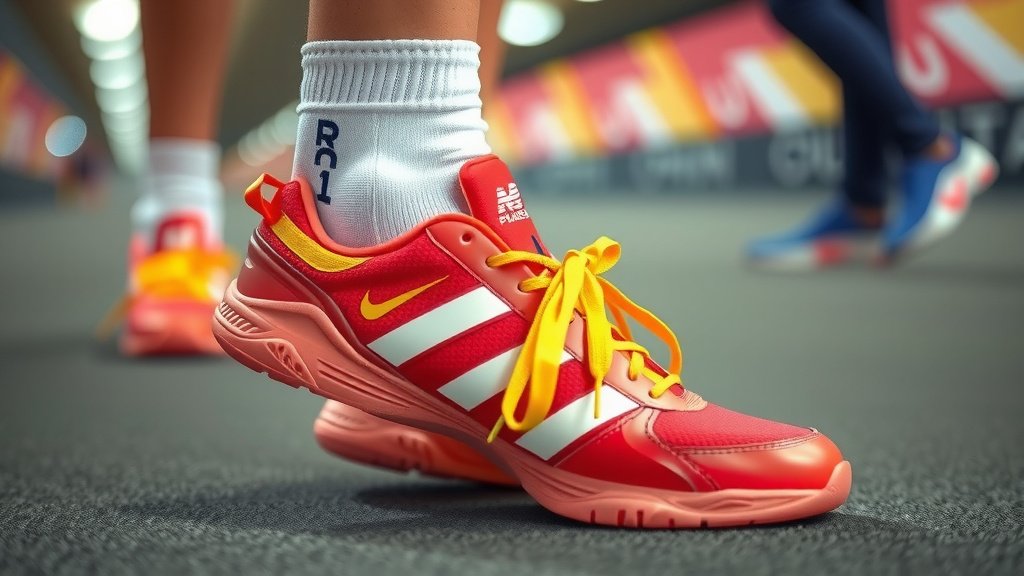
Before you toe the line, run through this quick checklist:
- Have I confirmed the maximum stack height for this race?
- Does my shoe meet that stack height limit?
- Does my shoe have only one rigid plate?
- Is this shoe a standard model available to the public?
- Have I checked the race organizer’s specific shoe rules?
- Am I confident this shoe meets World Athletics standards?
When in Doubt, Go Simple!
If you’re ever unsure about a specific shoe, it might be wise to opt for a simpler, older model. Many runners still achieve great times in shoes that aren’t packed with the latest technology. The most important thing is that you feel comfortable and confident. We found that many athletes prioritize comfort and familiarity on race day. Remember, the rules are there to ensure fair competition for everyone involved.
“`Conclusion
Navigating the world of super shoes for racing can feel complex, but it doesn’t have to be. We’ve learned that most super shoes are legal, provided they meet World Athletics’ strict guidelines on stack height and carbon plates. Remember, the goal is always fair competition, where your training and talent shine brightest. Always take a moment to check the specific race rules and the specifications of your chosen shoes. This simple step ensures you can toe the line with confidence, knowing you’re race-day ready and compliant.
Frequently Asked Questions
Do all running races follow World Athletics shoe rules?
Most major marathons and road races do follow World Athletics guidelines closely. However, some smaller or local events might have their own specific rules. It’s always best to check the official race website for any unique regulations they might have in place.
Can I use prototype or custom-made shoes in a race?
Generally, no. World Athletics requires that a shoe model must be available to the public for at least four months before it can be used in competition. This rule prevents athletes from gaining an unfair advantage with unreleased or custom-modified shoes.
What if my shoe’s stack height is just slightly over 40mm?
If your shoe exceeds the 40mm stack height limit for road races, it is likely not legal for official competition under World Athletics rules. While the difference might seem small, race officials enforce these regulations strictly to maintain fairness.
Are shoes with multiple carbon plates banned?
Yes, World Athletics rules clearly state that only one rigid plate is permitted within the midsole. Shoes featuring multiple plates or plates that extend improperly are typically not allowed in sanctioned races.
Where can I find a list of approved running shoes?
World Athletics doesn’t typically publish a single, definitive list of “approved” shoes. Instead, they provide the technical rules for shoe construction. Many shoe brands design their models to comply with these rules, and race organizers might sometimes mention specific models if there are concerns.