Normal Arch Foot Explained: What to Expect
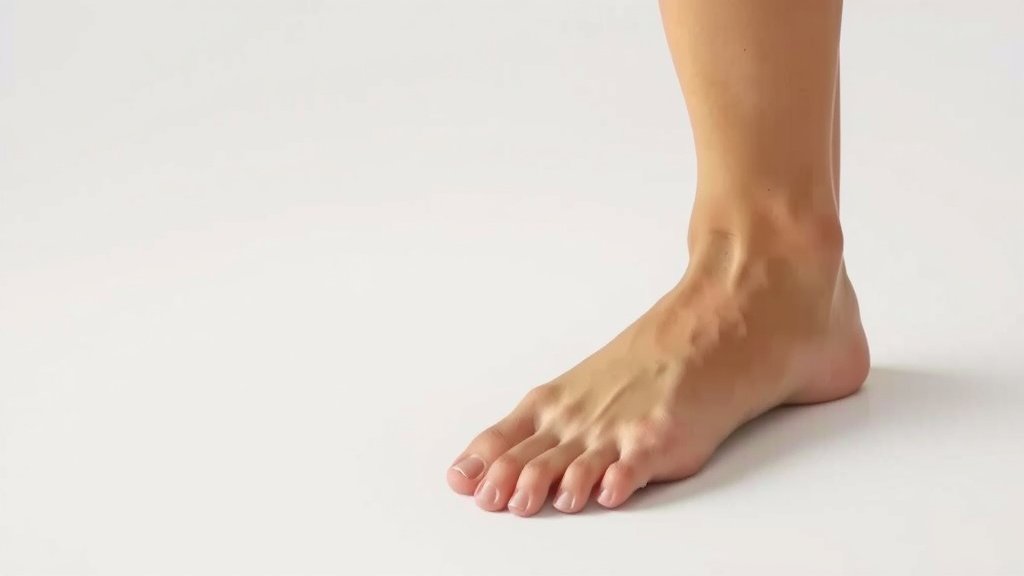
A normal arch foot is simply a foot that has a well-defined arch when you stand. This arch rises between your heel and the ball of your foot, creating a natural curve. Many people have this, and it’s generally considered a healthy foot type.
This arch plays a big role in how your foot handles pressure. It acts like a shock absorber, helping to distribute your body weight evenly. This means your feet can handle walking, running, and standing with greater ease and less strain. It’s a pretty clever design!
- A normal arch foot has a noticeable curve.
- It helps absorb shock when you move.
- This arch distributes your body weight effectively.
- It’s generally associated with healthy foot function.
We found that understanding your foot type can be super helpful for choosing the right shoes and knowing what to expect. Let’s walk through what makes a foot “normal” and why it matters.
Understanding Your Foot’s Natural Arch
So, you’re wondering what makes a foot have a “normal” arch? It’s all about how your foot is shaped when you’re standing and putting weight on it. Think of your foot like a tripod. It has three main points of contact: your heel, the ball of your foot, and the pinky toe side. A normal arch means there’s a clear, visible curve between your heel and the ball of your foot on the inside edge of your foot.
When you stand, your foot should show this distinct gap. It’s not completely flat on the ground, nor is it so high that only your heel and the ball of your foot touch. Many people have this type of arch, and it’s often considered the ideal foot structure for everyday activities.
The Science Behind a Normal Arch
Your foot arch isn’t just for show; it’s a marvel of biomechanical engineering. This natural curvature serves some really important jobs for your body.
Shock Absorption: Your Foot’s Built-in Spring
Imagine walking or running. With every step, your foot impacts the ground with a force that can be several times your body weight. A normal arch acts like a spring or a shock absorber. It compresses slightly upon impact, absorbing some of that force. This prevents the shock from traveling all the way up your legs and spine.
Research from biomechanics experts highlights that this arch mechanism helps to dissipate impact forces effectively. Without it, you might feel more jarring with every movement, potentially leading to discomfort or injury over time.
Weight Distribution: Spreading the Load
Another key function of a normal arch is how it helps distribute your body weight evenly across your foot. When you stand, the arch helps shift pressure from the heel and ball of your foot to the entire structure. This means no single point on your foot is overloaded.
This even distribution is vital for comfort and preventing issues like foot pain or calluses. When your weight is spread out, your foot can support you for longer periods without fatigue. This is a big reason why having a normal arch is generally linked to good foot health.
Identifying Your Arch Type
Wondering if you have a normal arch? There’s a simple test you can do at home. Grab a piece of paper or a brown paper bag and a bowl of water.
The Wet Footprint Test: A Simple Diagnostic
Here’s how it works:
- Dip your bare foot in the water.
- Step onto the paper or bag, making sure to put your full weight on your foot.
- Step off and examine the footprint you left behind.
What you’re looking for is the shape of the imprint. If you see a clear curve on the inside, with a noticeable gap where your arch should be, you likely have a normal arch. The imprint will show your heel, the ball of your foot, and a distinct band connecting them, but with a significant inward curve.
What Your Footprint Tells You
The footprint is like a little snapshot of your foot’s mechanics. A normal arch print shows that your foot is designed to flex and absorb shock as intended.
If your footprint looks very full with little to no curve inward, you might have flat feet. If the imprint is very narrow, showing mostly your heel and the ball of your foot with almost no connection, you might have high arches. Knowing your footprint helps you understand your foot’s unique needs.
Why Your Arch Matters for Your Health
The type of arch you have can influence your overall comfort and even your posture. A normal arch offers a good balance.
Comfort and Stability
People with normal arches often report feeling comfortable during various activities. The arch provides a good foundation, offering both flexibility and stability. This means your foot can adapt to different surfaces while remaining supportive.
When your foot is stable, it helps your ankles and knees work more efficiently. This can contribute to better posture and reduce strain on other parts of your body. It’s a chain reaction where a healthy foot structure benefits your entire kinetic chain.
Potential Issues with Other Arch Types
While normal arches are great, it’s worth briefly mentioning other types for comparison. Flat feet, where the arch collapses, can sometimes lead to overpronation (foot rolling inward excessively). This can sometimes cause issues like plantar fasciitis or shin splints (NIH).
Conversely, high arches might not absorb shock as effectively, potentially leading to conditions like metatarsalgia or stress fractures. Having a normal arch generally means you avoid some of these common foot-related discomforts.

Choosing the Right Footwear
Understanding your arch type is incredibly useful when you’re shoe shopping. For those with a normal arch, you have a wide range of options.
What to Look For in Shoes
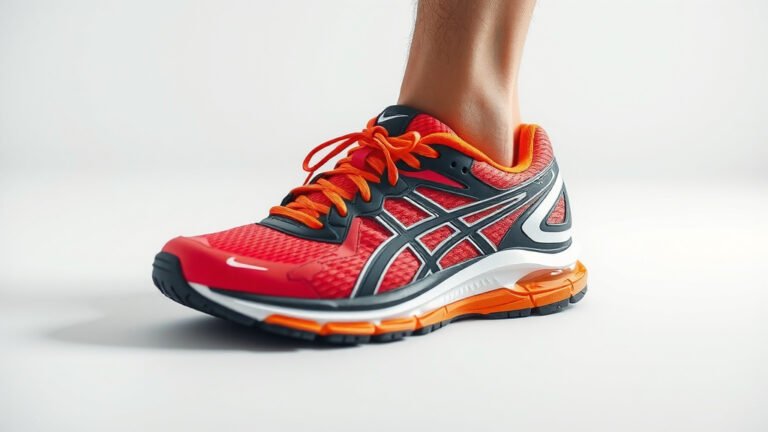
Your foot type means you don’t usually need specialized shoes that compensate for extreme arch issues. Most everyday footwear will work well. You can focus on finding shoes that offer a good balance of cushioning and support.
Look for shoes with moderate arch support and good shock absorption. Brands often label their shoes for neutral pronators, which is usually a perfect fit for normal arches. You can generally wear a variety of styles, from athletic shoes to casual wear, without too much concern about arch-specific features.
A Simple Checklist for Shoe Shopping
Here’s a quick guide when you’re picking out new shoes:
- Check for a comfortable fit right away.
- Ensure there’s enough cushioning for shock absorption.
- See if the shoe offers moderate support for your arch.
- Walk around in them to feel for any pressure points.
- Consider shoes designed for “neutral pronation.”
- Don’t be afraid to try on several pairs!
When to Seek Professional Advice
While having a normal arch is great, it’s still possible to experience foot pain. Sometimes, even with a healthy arch structure, issues can arise from overuse, injury, or improper footwear.
If you experience persistent foot pain, swelling, or changes in your gait, it’s always a good idea to consult a doctor or a podiatrist. They can properly diagnose any problems and recommend the best course of action. They might use gait analysis to understand how your foot moves, providing tailored advice.
Conclusion
You’ve learned that a normal arch foot is characterized by a visible curve, acting as your body’s natural shock absorber and weight distributor. This healthy structure helps keep you comfortable and stable during daily activities. We found that understanding your arch type, whether normal, flat, or high, is key to making smart choices about footwear and knowing when to seek professional care.
Now that you know more about your normal arch, take a moment to do the wet footprint test. This simple step can confirm your arch type and help you select shoes that provide the perfect balance of support and comfort for your unique feet. Your feet will thank you for it!
Frequently Asked Questions
What’s the biggest benefit of having a normal arch?
The main benefit is that a normal arch provides an excellent balance between shock absorption and stability. This helps your feet handle the impact of walking and running more comfortably, reducing strain on your legs and spine.
Can my arch type change over time?
Yes, your arch type can sometimes change due to factors like aging, weight fluctuations, pregnancy, or injury. Conditions like flat feet can develop later in life, so it’s good to be aware of any changes.
Do people with normal arches need special shoes?
Generally, no. People with normal arches have the most flexibility in shoe choices. You can usually wear most shoes designed for “neutral pronation” and focus on comfort, cushioning, and proper fit rather than specific arch correction.
Is it possible to have foot pain with a normal arch?
Absolutely. While a normal arch is a healthy structure, you can still experience pain from overuse, improper footwear, or injury. Persistent pain warrants a visit to a podiatrist.
How often should I check my arch type?
It’s a good idea to re-evaluate your arch type every few years or if you notice changes in your foot comfort or gait. A simple wet footprint test at home can help you monitor any shifts.