Choosing Running Shoes for Stress Fractures
Choosing the right running shoes can make a big difference when you’re dealing with stress fractures. Look for shoes that offer excellent cushioning and support to help absorb impact and prevent further injury. The goal is to find footwear that protects your bones and joints.
When your shins or feet are hurting, it’s natural to want the best possible protection. Experts have found that the right shoes can be a key part of your recovery and prevention plan. They work by redistributing pressure and providing a stable base for your stride, which is essential for healing.
- Prioritize cushioning and support.
- Consider your foot type.
- Look for stability features.
- Don’t forget proper fit.
- Replace worn-out shoes regularly.
Let’s walk through exactly how to pick the perfect pair to help you get back on track safely.
When you’re dealing with the pain of a stress fracture, your running shoes become more than just footwear. They’re part of your healing team. Choosing the right pair can help absorb shock, provide stability, and keep you comfortable as you recover and prevent future injuries. But with so many options out there, how do you pick the best ones for your specific needs?
Finding the Right Running Shoes for Stress Fractures
Selecting the perfect running shoes for stress fractures is all about providing your feet and bones with the right kind of protection. This means looking for shoes that cushion every step and offer reliable support. Research shows that proper footwear can play a key role in managing stress fractures and aiding recovery (American Academy of Orthopaedic Surgeons).
Understanding Your Foot Type is Key
Before you even look at shoes, it’s helpful to know your foot type. This is because different feet have different needs for support. Knowing your arch height can guide you toward shoes that will work best for you.
High Arches
If you have high arches, your feet might not absorb shock very well. This can put extra pressure on your bones. You’ll likely need shoes with plenty of cushioning. This extra padding acts like a shock absorber for your feet. Many experts suggest looking for neutral shoes that offer soft landings. This can help prevent overpronation, which is when your foot rolls inward too much.
Normal Arches
People with normal arches usually have a good balance of shock absorption. You might find that a wide range of shoes works well for you. However, when dealing with stress fractures, you’ll still want shoes that provide a good mix of cushioning and support. This helps maintain that balance and prevent undue stress on your bones.
Flat Feet (Low Arches)
If your arches are very low or flat, your feet might overpronate. This means your foot rolls inward excessively after landing. This can lead to instability and put strain on your lower legs and feet. You’ll want shoes that offer extra stability and motion control. These shoes help guide your foot into a more neutral position, reducing stress.
Prioritizing Cushioning: Your Bone’s Best Friend
When you have a stress fracture, impact is your enemy. The right amount of cushioning is absolutely essential. It acts like a soft landing pad for your feet, reducing the force that travels up your leg and into your bones. Think of it like walking on clouds versus concrete.
You’ll find that shoes labeled “cushioned” or “plush” are great starting points. We found that shoes with thicker midsoles often provide the best shock absorption. This doesn’t mean you need a shoe that feels squishy. You want a shoe that feels protective and absorbs impact without feeling unstable.
The Importance of Support and Stability
Beyond cushioning, support and stability are vital. They help control how your foot moves when you run, which is especially important when you’re trying to prevent further injury. Stability shoes often have features that guide your foot and prevent excessive rolling.
Many stability shoes include a firmer section of foam, often called a medial post, on the inside of the shoe. This helps to slow down pronation. Research indicates that this can be very beneficial for runners who overpronate (The Physician and Sportsmedicine Online). This helps keep your stride more even and controlled.
Don’t Forget the Fit!
Even the most cushioned and supportive shoe won’t help if it doesn’t fit properly. An improper fit can cause blisters, hot spots, and even alter your gait, potentially leading to more issues. You want a shoe that feels like an extension of your foot, not a hindrance.
Trying Them On
Always try on shoes before you buy them, preferably later in the day when your feet are slightly swollen. Wear the type of socks you typically run in. Walk around the store, and if possible, jog a little. Make sure there’s about a thumb’s width of space between your longest toe and the end of the shoe. Your heel should feel secure, and the shoe should feel snug but not tight.
Width Matters Too
Pay attention to the width of the shoe. If a shoe feels too tight across the ball of your foot or squeezes your toes, it might be too narrow. Many models come in wide or extra-wide options, which can make a huge difference for comfort and preventing pressure points.
What to Look For in Your Next Pair: A Quick Checklist
To help you narrow down your choices, here’s a quick rundown of what to seek out:
- Ample Cushioning: Look for thicker midsoles that absorb shock.
- Good Arch Support: Match the shoe’s support to your arch type.
- Stability Features: Consider motion control if you overpronate.
- Secure Heel Fit: Your heel shouldn’t slip out.
- Roomy Toe Box: Allow your toes to wiggle and spread.
- Comfortable Feel: The shoe should feel good right out of the box.
When to Replace Your Running Shoes
Even the best running shoes wear out. The cushioning and support they provide degrade over time. Running in worn-out shoes is a sure way to invite injuries like stress fractures.
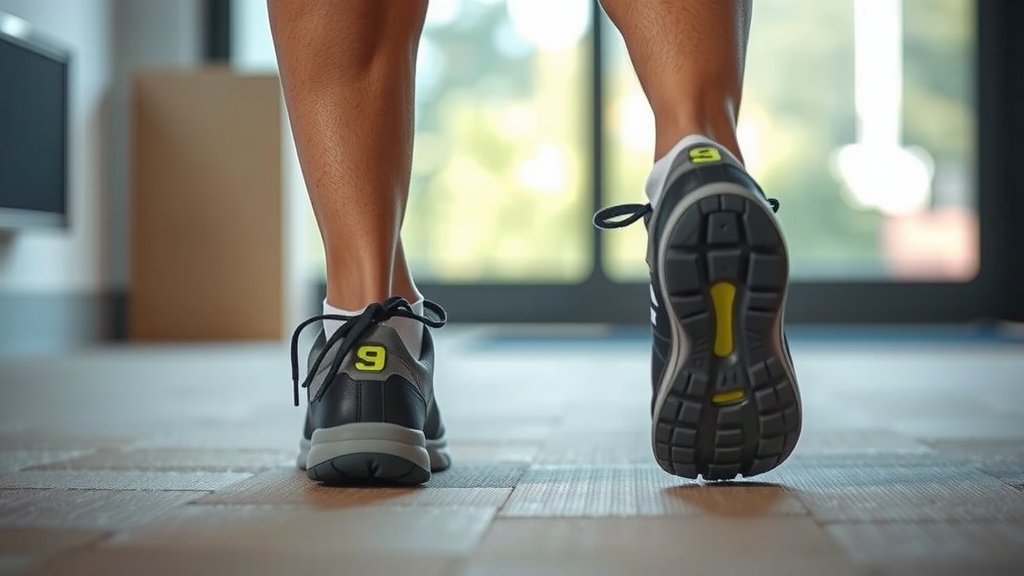
Generally, most running shoes last between 300 and 500 miles. However, this can vary based on your weight, running style, and the surfaces you run on. We found that paying attention to the shoe’s appearance can also give you clues. If the outsoles are wearing very flat, or the midsole looks compressed, it’s likely time for a new pair (Mayo Clinic). Don’t wait until you feel pain to replace them.
Conclusion
Choosing the right running shoes is a critical step in your journey to heal and prevent stress fractures. Remember to prioritize shoes with excellent cushioning to absorb impact and proper support tailored to your foot type. A good fit, with enough room in the toe box and a secure heel, is non-negotiable. Don’t forget to replace your shoes regularly, as worn-out footwear can undo your best efforts. Take this knowledge to the store and find the pair that feels right for your feet.
Frequently Asked Questions
How do I know if I need stability shoes for a stress fracture?
If you have flat feet or notice your feet rolling inward excessively (overpronation), stability shoes can help. Research suggests these shoes offer better control for such foot types. They can guide your foot into a more neutral position, reducing stress on your bones during your runs.
Can a shoe’s cushioning actually help heal a stress fracture?
Yes, ample cushioning plays a big role. It acts as a shock absorber, reducing the force transmitted to your bones with each step. This can lessen the impact that aggravates stress fractures and aids in a more comfortable recovery process.
How much space should I leave in the toe box of my running shoes?
You should aim for about a thumb’s width of space between your longest toe and the front of the shoe. This allows your toes to wiggle and spread naturally. It prevents jamming and can help avoid painful pressure points, which is especially important when recovering from stress fractures.
What are the signs that my running shoes are too worn out for stress fracture recovery?
Look for visible signs like flattened outsoles or compressed midsole foam. If the cushioning feels less responsive or the support seems diminished compared to when they were new, it’s time for a replacement. Running in worn-out shoes can increase your risk of reinjury.
Should I still run in shoes with good cushioning if I have high arches and a stress fracture?
Absolutely. Even with high arches, which typically don’t absorb shock as well, good cushioning is vital. Experts often recommend neutral shoes with plenty of soft cushioning for high-arched runners. This helps counteract your foot’s natural tendency to absorb less impact.