Choosing Max Cushion Running Shoes: Your Guide
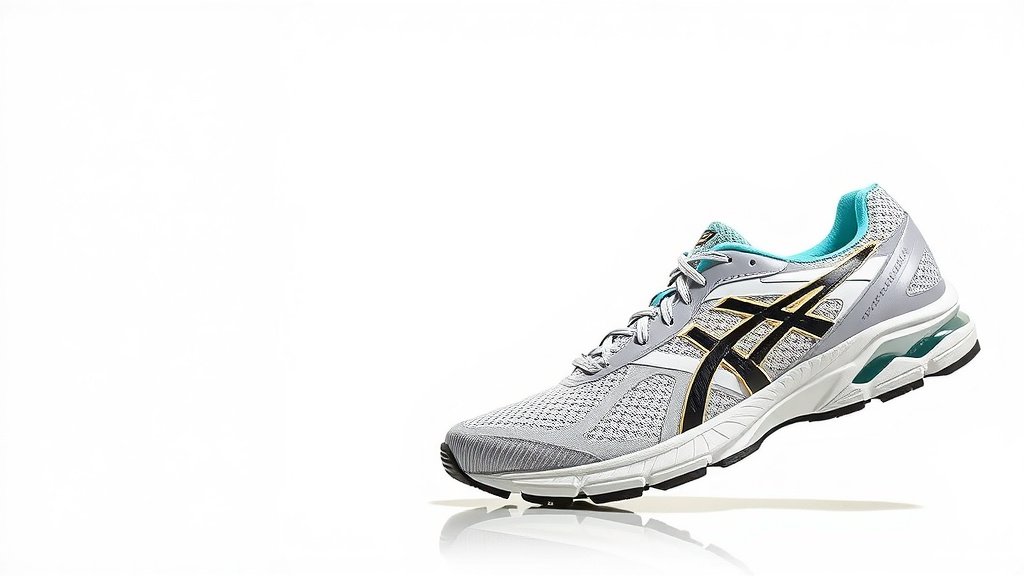
Choosing a max cushion running shoe is about finding comfort and support for your miles. You want a shoe with plenty of soft foam underfoot to absorb impact. This helps reduce stress on your joints, making your runs feel easier. Think of it like walking on clouds for your feet!
When you’re looking for that plush feel, consider the overall thickness of the midsole. This is where the magic happens for cushioning. We found that shoes designed for maximum comfort often have a higher stack height. They aim to provide a smooth and protective ride for long distances or recovery runs.
- Look for thick midsoles.
- Prioritize soft foam technology.
- Consider your running goals.
- It’s about joint comfort.
Let’s dive into the key factors to help you pick the perfect pair of max cushion running shoes for your needs.
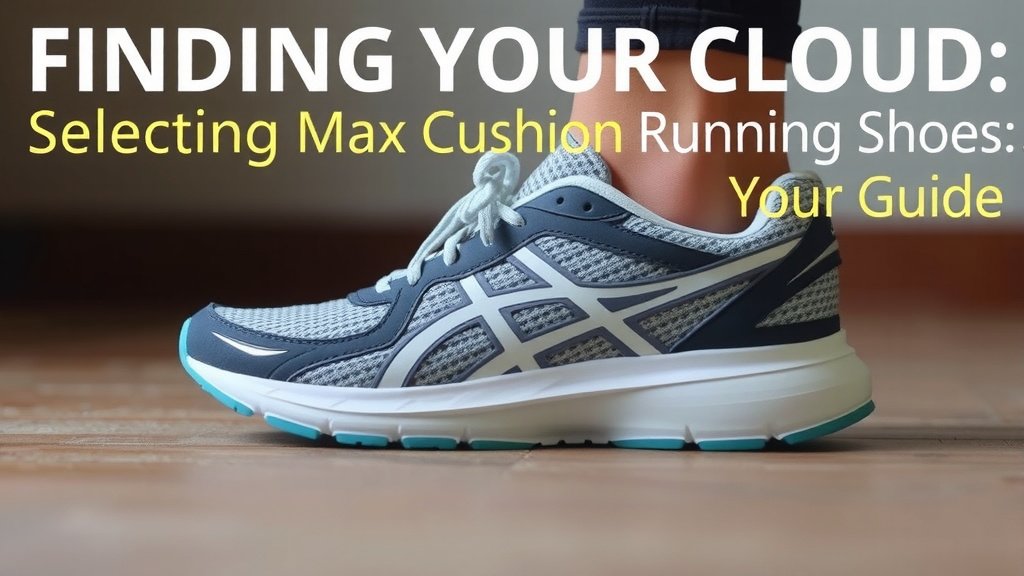
Finding Your Cloud: Selecting Max Cushion Running Shoes
Picking the right max cushion running shoe means finding that sweet spot for your feet. You want a shoe that feels incredibly soft. It should feel like you’re running on air. This extra padding is designed to soak up impact. It can make your runs feel much more enjoyable.
Understanding What Makes a Shoe “Max Cushion”
So, what exactly makes a running shoe earn the title of “max cushion”? It’s all about the foam in the midsole. This is the thick layer between your foot and the outsole.
The Midsole: Your Cushioning Headquarters
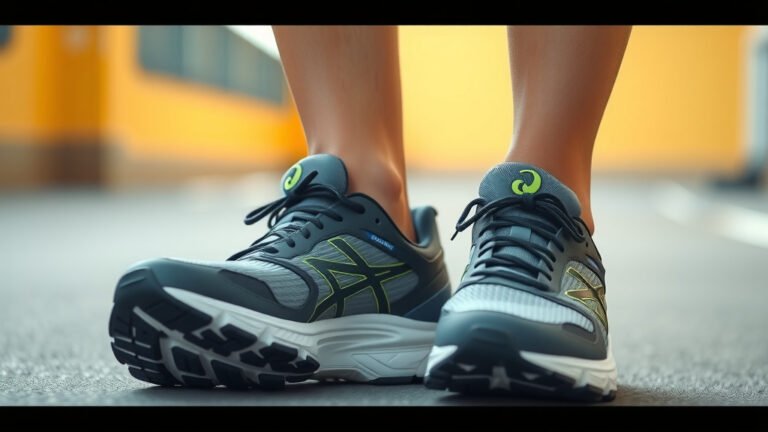
The midsole is where the magic happens for comfort. We found that max cushion shoes have a significantly thicker midsole than standard shoes. Think of it as a giant marshmallow for your feet. This thickness is measured by stack height. A higher stack height generally means more cushioning.
Foam Technology Matters
Not all foams are created equal. Different brands use various proprietary foam compounds. Some are designed to be exceptionally soft. Others might offer a bit more energy return. For max cushion, you’re usually looking for foams that are described as plush, soft, or forgiving.
What the Research Tells Us
Research supports the idea that softer shoes can reduce perceived exertion. This means your run might feel easier even at the same pace. Studies have also looked at the impact on injury prevention. While no shoe can guarantee you’ll never get hurt, increased cushioning can help reduce stress on joints (NCBI). This is especially true for longer runs or for runners who are heavier.
Key Factors to Consider When Choosing
When you’re browsing for your perfect pair, a few things stand out. It’s not just about how thick the shoe looks.
Your Running Goals and Needs
Are you looking for a shoe for long-distance training? Or perhaps for easy recovery runs? Max cushion shoes often shine in these areas. They offer protection and comfort when you’re logging many miles. If you’re a high-mileage runner, this type of shoe can be a lifesaver for your legs.
Your Foot Strike and Gait
How your foot lands can also influence your choice. Some runners land heavily on their heel. Others tend to land more on their midfoot or forefoot. We found that the ample cushioning in max cushion shoes can be beneficial for heel strikers. It helps absorb shock more effectively upon landing. If you have a more neutral gait, you’ll likely enjoy the smooth ride.
Weight and Ride Feel
Max cushion shoes can sometimes feel a bit heavier. This is due to the extra foam. However, many brands have worked hard to make them lighter. The ride feel is usually very smooth and protective. You might not feel every little pebble on the road. This can lead to a more comfortable running experience, especially on hard surfaces.
Trying Before You Buy: The Ultimate Test
Even with all the research and reviews, your feet are unique. What feels great to one person might not feel the same to another.
The Importance of Fit and Feel
Always try shoes on if possible. Walk around in them. Jog a few steps if the store allows. Pay attention to how the shoe feels underfoot. Is it too soft? Is it firm enough to offer support? You want a shoe that feels like an extension of your foot, not something bulky or restrictive.
Consider Your Usual Running Surfaces
Where do you typically run? On roads, trails, or treadmills? Max cushion shoes are generally best suited for paved surfaces. They offer excellent shock absorption on hard ground. If you run on trails often, you might need a shoe with more grip and protection from rocks.
Putting It All Together: Your Checklist
Here’s a quick rundown to help you find your perfect max cushion pair:
- Check the Midsole: Look for a thick, plush foam layer.
- Consider Foam Type: Seek out soft, forgiving compounds.
- Think About Your Runs: Long distances and recovery are prime uses.
- Test the Fit: Ensure comfort and no pinching or rubbing.
- Read Reviews: See what others say about ride and durability.
- Listen to Your Body: Ultimately, comfort is king!
| Shoe Type | Midsole Thickness | Cushioning Feel | Best For |
|---|---|---|---|
| Max Cushion | Very Thick | Ultra-soft, Plush | Long runs, recovery, joint comfort |
| Moderate Cushion | Medium | Balanced, Responsive | Daily training, versatile runs |
| Minimal Cushion | Thin | Firm, Ground Feel | Speed work, natural feel runners |
Conclusion
You’re now equipped to find your perfect pair of max cushion running shoes. Remember, these shoes are all about comfort and reducing impact. Look for that thick, soft midsole foam. Consider how you run and where you run. Most importantly, trust your own feet. What feels right to you is the best indicator. So, lace up those plush shoes and enjoy your most comfortable miles yet!
Frequently Asked Questions
Are max cushion shoes good for everyone?
Max cushion shoes are fantastic for runners seeking joint comfort and impact reduction. They are especially beneficial for high-mileage runners, heavier runners, or those recovering from injuries. However, some runners prefer a more responsive or grounded feel for speed work.
Can max cushion shoes help prevent injuries?
While no shoe can guarantee injury prevention, the enhanced shock absorption in max cushion shoes can help reduce stress on your joints. This may lead to fewer aches and pains, especially on hard surfaces or during long runs. Listening to your body remains key.
How do I know if a shoe is truly “max cushion”?
You can usually tell by looking at the midsole thickness, often referred to as stack height. Max cushion shoes have a noticeably thicker midsole compared to standard or minimal cushion shoes. Brands often describe their foams as plush, soft, or highly forgiving.
Are max cushion shoes too soft for support?
Most modern max cushion shoes balance softness with stability. While they offer plush comfort, they are engineered to provide adequate support for a neutral gait. If you need significant stability features, you might explore other shoe categories, but many max cushion options work well.
Should I always try on max cushion shoes before buying?
Yes, trying on shoes is highly recommended. The feel of cushioning can be very personal. What one runner finds perfectly plush, another might find too soft or unstable. Walking and jogging briefly in the store can help you assess the fit and feel for your feet.