What is the Most Cushioned Running Shoe Type
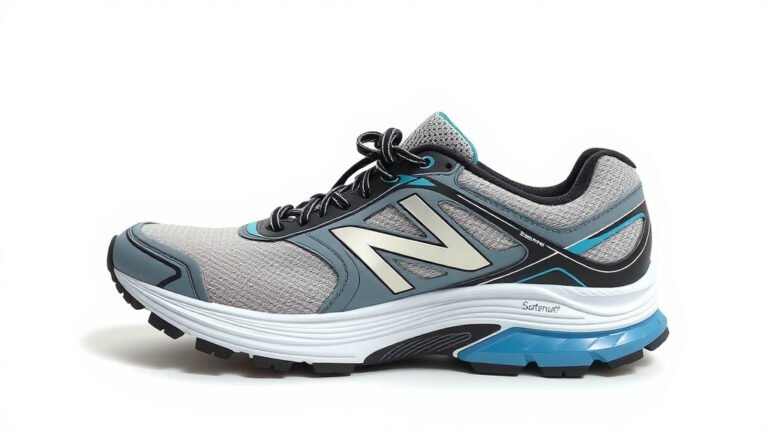
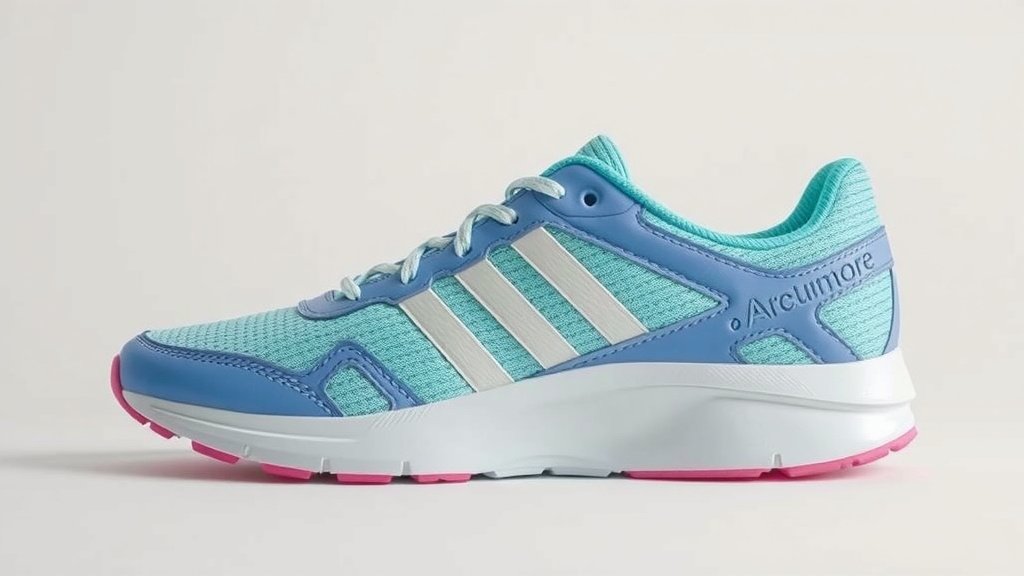
When you’re looking for the most cushioned running shoe, you’re likely seeking maximum comfort and shock absorption. The shoe type that fits this description best is known as a max cushion or plush running shoe. These shoes are built with incredibly thick midsoles designed to soften every stride.
These aren’t just thicker; they use specialized foams that provide an exceptional feeling of softness underfoot. Many runners prefer this type for long distances or if they simply want to feel like they’re running on clouds. You’ll often find them recommended for recovery runs or for anyone dealing with joint discomfort. You’ll often find them recommended for recovery runs or for anyone dealing with joint discomfort.
- Max cushion shoes offer the most softness.
- They use extra-thick midsoles for impact protection.
- Great for long runs and recovery days.
- Provides a plush, comfortable ride.
We found that choosing the right level of cushioning can make a big difference in your running experience. Let’s take a closer look at what makes these shoes so special and what you should consider when picking a pair.
“`htmlUnderstanding the Plush Side of Running Shoes
When you’re aiming for that feeling of running on clouds, you’re probably looking for what we call max cushion running shoes. These are designed with the thickest midsoles you can find. They prioritize softness and shock absorption above all else.
What Exactly Makes a Shoe “Max Cushion”?
It’s all about the midsole. This is the layer between the outsole (the part that touches the ground) and the upper (where your foot sits). In max cushion shoes, this midsole is exceptionally thick. We’re talking about several centimeters of foam. This extra height gives your foot more space to sink into the softness with every step.
But it’s not just about thickness. The type of foam used plays a huge role. Manufacturers use advanced foams that are incredibly soft and bouncy. These foams are engineered to compress easily under your weight. They then spring back, giving you that plush feeling. Think of it like stepping onto a really comfy pillow.
Foam Technologies and Their Impact
You’ll find various proprietary foam names from different brands. Some are known for being exceptionally lightweight while still being super soft. Others offer a good balance of cushioning and responsiveness. We found that research into these foams often highlights their ability to return energy, meaning they don’t just absorb shock; they can give a little push back.
For example, some brands use what they call “superfoams.” These are often made from materials like TPU or PEBA. These foams are celebrated for their high cushioning-to-weight ratio. This means you get a lot of soft padding without the shoe feeling heavy on your feet. Many runners appreciate this when logging miles.
Who Benefits Most from Max Cushion Shoes?
These shoes are a dream for many types of runners. If you’re looking for the ultimate comfort on your daily miles, these are a top contender. They can make even longer runs feel less taxing on your body.
Long-Distance Runners and Marathoners
For those training for marathons or running ultra-distances, these shoes can be a lifesaver. The extra cushioning helps reduce the cumulative impact on your legs and joints over many miles. We found that many marathoners use them for their long training runs.
Runners Seeking Joint Comfort
If you have knee, hip, or ankle issues, or just want to be extra gentle on your joints, max cushion shoes are a fantastic choice. They act like a shock absorber, reducing the force that travels up your leg with each footstrike. Guidelines from sports medicine professionals often suggest using softer shoes if joint pain is a concern (Cleveland Clinic).
Recovery Runs and Easy Paced Efforts
These shoes are perfect for your easy days. When your goal is to recover from harder workouts, a plush shoe can help you do just that. The comfort allows your muscles to relax more. You can focus on enjoying the run, not pounding the pavement.
What to Look For in a Max Cushion Shoe
Beyond just the thick sole, a few other things matter. You want a shoe that feels good on your foot. What one person finds heavenly, another might find too soft or unstable.
Upper Construction
The upper part of the shoe holds your foot. In max cushion shoes, the upper is often designed for comfort and breathability. Look for soft, padded materials. A good fit here prevents rubbing and blisters, which is important when you’re going for comfort.
Heel Counter and Fit
The heel counter is the stiff part at the back of the shoe. In some very soft shoes, a sturdy heel counter can help keep your foot secure. A proper fit is key; your heel shouldn’t slip. Most experts recommend trying shoes on at the end of the day when your feet are slightly swollen (American Podiatric Medical Association).
Outsole Durability
While the focus is cushioning, you still want the shoe to last. The outsole provides traction and protects the midsole. Some very soft foams can wear down faster. We found that brands are improving durability, but it’s something to keep in mind.
Comparing Max Cushion to Other Shoe Types
It’s helpful to see how max cushion shoes stack up. They are distinctly different from minimalist shoes or traditional trainers.
| Shoe Type | Primary Focus | Midsole Thickness | Feeling Underfoot |
|---|---|---|---|
| Max Cushion | Maximum Comfort & Shock Absorption | Very Thick | Plush, Soft, Bouncy |
| Stability Shoes | Support for Overpronation | Moderate to Thick | Firm but Supportive |
| Neutral Cushioned Shoes | Balanced Cushioning & Responsiveness | Moderate | Soft to Medium |
| Minimalist Shoes | Natural Foot Movement & Ground Feel | Very Thin | Firm, Direct Ground Feel |
As you can see, max cushion shoes are in a category all their own when it comes to softness. If your main goal is to feel like you’re gliding over the road, these are likely your best bet.
Is a Max Cushion Shoe Right for You? A Quick Checklist
Before you decide, ask yourself these questions. This might help you figure out if this type of shoe fits your running style and goals.
- Do you prioritize comfort above all else?
- Do you often run long distances (10+ miles)?
- Do you experience joint pain after running?
- Are you looking for a shoe for easy or recovery runs?
- Do you want to feel less impact with every stride?
- Do you prefer a soft, pillowy feel under your feet?
Conclusion
You’ve learned that max cushion running shoes are your go-to for ultimate comfort and shock absorption. They feature exceptionally thick midsoles and advanced foam technologies for a plush, cloud-like feel. These shoes are perfect if you’re a long-distance runner, seeking joint relief, or enjoying recovery runs. Prioritizing comfort doesn’t mean sacrificing fit; pay attention to the upper and heel support. Now that you understand what makes these shoes special, you’re ready to find the perfect pair to make your miles feel easier.
Frequently Asked Questions
Are max cushion shoes good for speed work?
Max cushion shoes are generally not ideal for speed work. Their primary focus is on softness and shock absorption, which can sometimes make them feel less responsive or a bit bulky for faster paces. For speed work, you might prefer a lighter, more agile shoe.
Can anyone use max cushion shoes, or are they only for specific runners?
While highly beneficial for certain runners, anyone can use max cushion shoes if they prioritize comfort and shock absorption. They are great for beginners, runners with joint pain, or those who simply enjoy a softer ride, regardless of their experience level.
How do I know if I need a max cushion shoe versus a regular cushioned shoe?
If you consistently experience discomfort or fatigue in your legs and joints on longer runs, or if you simply crave a softer feeling underfoot, you likely benefit from max cushion. Regular cushioned shoes offer a good balance, but max cushion takes softness to the extreme.
Will max cushion shoes feel heavy on my feet?
Modern max cushion shoes are designed with lightweight foams, so they often don’t feel as heavy as you might expect. While they have more material, advanced engineering helps maintain a comfortable weight for logging miles.
How long do max cushion running shoes typically last?
The lifespan of running shoes varies based on usage, but max cushion shoes can last anywhere from 300 to 500 miles. The thick midsoles can compress over time, gradually reducing their cushioning properties. Regular inspection for wear and tear is always recommended.