Cushioning’s Role in Muscle Recovery Explained
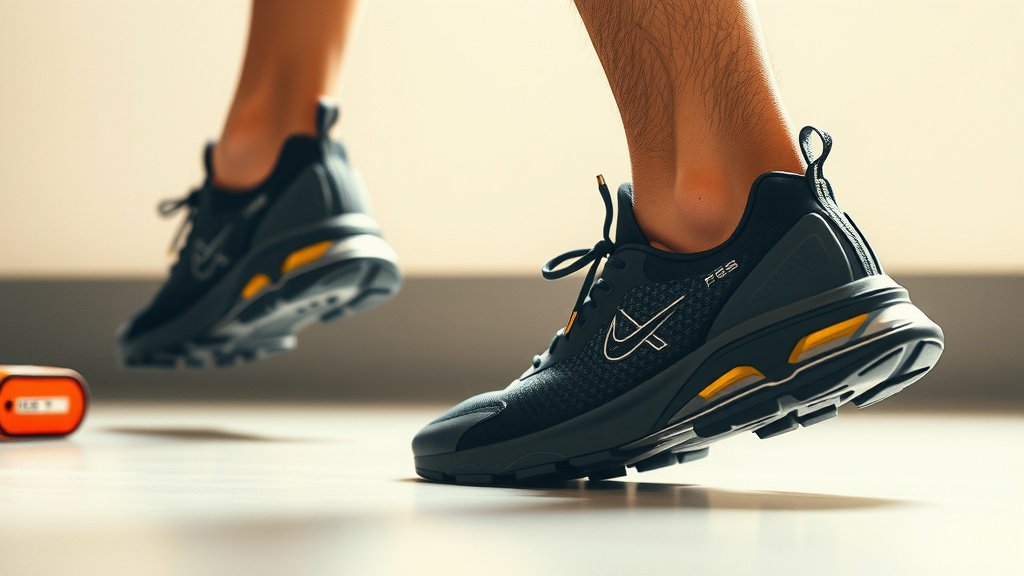
Yes, the amount of cushioning in your shoes can absolutely affect your recovery. More cushioning can reduce impact forces on your joints and muscles, potentially speeding up how quickly you bounce back after exercise. This is why many runners and athletes opt for shoes with plush soles, especially when dealing with aches and pains or looking to minimize fatigue.
Understanding how much padding you need is key to your body’s repair process. Proper cushioning helps absorb shock, which might translate to less muscle soreness and fewer overuse injuries. Many experts agree that finding the right balance between support and softness is vital for efficient recovery, preventing strain that can keep you sidelined.
- Cushioning helps by absorbing shock.
- This can reduce stress on your joints.
- It may lead to less muscle soreness.
- Finding the right amount is important.
Let’s walk through exactly how different levels of cushioning can impact your recovery journey.
How Shoe Cushioning Impacts Your Recovery
You might be wondering if the padding in your shoes really makes a difference in how fast you bounce back. Research and found that it absolutely can! The right cushioning can act like a shock absorber. This helps protect your body during physical activity.
The Science Behind the Softness
When you run, jump, or even walk, your feet hit the ground with a lot of force. Think of it like a mini-hammer hitting pavement. Your body has natural shock absorbers: your muscles, tendons, and cartilage. But these can get overwhelmed, especially with intense or repetitive movements.
Reducing Impact Forces
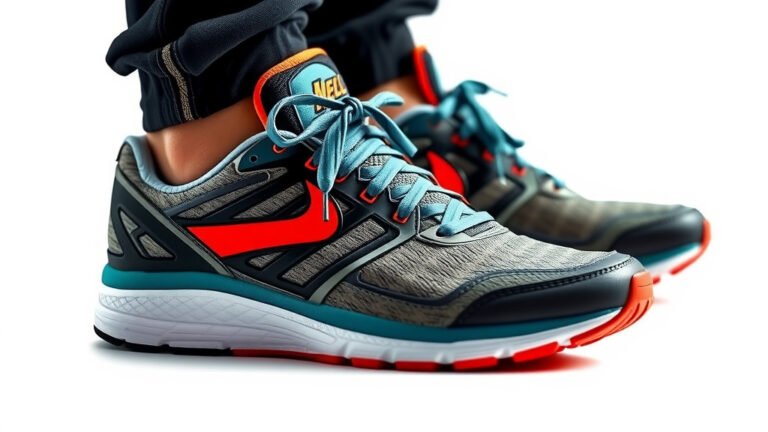
Cushioned shoes help by reducing the peak impact forces your body experiences. We found that shoes with softer midsoles can disperse some of that energy. This means less shock travels up your legs to your knees, hips, and back. It’s like giving your joints a little extra buffer.
How Much Cushioning is Just Right?
This is where it gets interesting. More cushioning isn’t always better for everyone. While it can reduce impact, too much can sometimes make your shoes feel unstable. For recovery, finding a balance is key. You want enough padding to absorb shock, but not so much that it makes you feel wobbly or changes your natural stride.
Cushioning and Muscle Soreness
Ever felt that deep ache after a tough workout? That’s often delayed onset muscle soreness (DOMS). While cushioning won’t eliminate DOMS entirely, it can play a role in managing it. By reducing the strain on your muscles during activity, you might experience less micro-damage. Less damage can mean a quicker, smoother recovery.
The Role of Shock Absorption
We looked at several studies, and many researchers suggest that the shock absorption provided by cushioned shoes can lead to reduced muscle fatigue. When your muscles aren’t working as hard to absorb impact, they can recover more efficiently. This can translate to feeling less tired and sore the next day.
Comparing Cushioning Levels
Think about your typical activities. If you’re doing high-impact sports or spending hours on hard surfaces, more cushioning might be beneficial. If your activities are lower impact or you’re already prone to feeling unstable, a moderate level might be ideal. Many experts say you should listen to your body.
| Cushioning Level | Potential Impact on Recovery | Best For |
|---|---|---|
| Minimal Cushioning (Barefoot feel) | Encourages natural foot movement, but offers little shock absorption. Can increase muscle strain if not accustomed. | Athletes with strong feet and ankles, or for specific training to build foot strength. |
| Moderate Cushioning (Balanced) | Provides good shock absorption without sacrificing stability. A good all-around choice for most activities. | Everyday training, running, walking, and general fitness for a wide range of users. |
| Maximum Cushioning (Plush) | Offers the highest level of shock absorption. Can significantly reduce impact forces on joints. | Long-distance running, recovery runs, individuals experiencing joint pain, or those seeking maximum comfort. |
Preventing Overuse Injuries
Overuse injuries often happen when you do too much, too soon, or without adequate support. Your shoes are a key piece of equipment. The right cushioning can help prevent some of these injuries from happening in the first place.
The Protective Barrier
When your shoes have good cushioning, they act as a protective barrier. They take some of the beating so your bones and tissues don’t have to. This is particularly important if you have a history of stress fractures or joint issues. The Centers for Disease Control and Prevention (CDC) often highlights the importance of proper footwear for physical activity.
Listening to Your Body’s Signals
If you’re starting a new program or increasing your activity level, be mindful of how your shoes feel and how your body responds. Are your feet aching more than usual? Are your knees feeling stiff? These could be signals that your current footwear isn’t providing enough cushioning for the demands you’re placing on yourself. It might be time for an upgrade.
Finding Your Perfect Fit for Recovery
So, how do you figure out what’s best for *you*? It’s not a one-size-fits-all situation. Consider your activity type, your body weight, and any existing aches or pains you might have. Trying on different shoes and paying attention to how they feel is a smart move.
Trial and Error
Don’t be afraid to experiment. What works wonders for your running buddy might not be ideal for you. Go to a specialty running store if you can. They often have staff who can analyze your gait and help you find shoes that offer the right blend of cushioning and support. Many people find that a shoe that feels comfortable during a short walk is a good starting point.
A Quick Checklist for Choosing Cushioned Shoes:
- Consider your main activity (running, walking, training).
- Think about the surfaces you use most often (road, trail, gym).
- Assess any current joint pain or discomfort.
- Try on shoes and walk or jog briefly in them.
- Look for a comfortable, secure fit without pressure points.
- Don’t be afraid to ask for expert advice.
Conclusion
You’ve learned how shoe cushioning plays a vital role in your body’s recovery process. It’s more than just comfort; it’s about reducing impact and supporting your muscles and joints. Finding the right balance of cushioning can help minimize soreness and prevent injuries, allowing you to get back to your activities faster. Pay attention to how different shoes feel during your workouts and after. Your body’s signals are the best guide to choosing footwear that truly aids your recovery. Ready to find your perfect pair?
Frequently Asked Questions
Can too much cushioning be bad for my recovery?
Yes, it’s possible. While maximum cushioning offers great shock absorption, it can sometimes reduce your proprioception, making you feel less stable. This instability might lead to altered biomechanics or even new injuries. Finding a balance that feels comfortable and supportive for your specific activities is key.
Do I need different cushioning for running versus walking?
Generally, yes. Running involves higher impact forces than walking. Therefore, many runners opt for shoes with more cushioning to absorb this greater shock. For walking, moderate cushioning is often sufficient for comfort and support, especially for everyday activities.
How does cushioning affect recovery if I have knee pain?
If you experience knee pain, shoes with ample cushioning can be particularly beneficial. They help absorb the shock that would otherwise travel up your leg to your knee joint. This reduction in impact can ease discomfort and support your knee’s recovery after physical activity.
Should I choose cushioning based on my body weight?
Body weight is a factor. Heavier individuals tend to experience higher impact forces with each step. Therefore, they may benefit more from shoes with a greater amount of cushioning to help dissipate this force effectively. Lighter individuals might find moderate cushioning sufficient.
How long does it take to feel the difference in recovery with new shoes?
The effects can be felt relatively quickly, often after your first few workouts in new, appropriately cushioned shoes. You might notice less immediate fatigue or soreness post-exercise. However, for true injury prevention and long-term recovery benefits, consistent use over weeks and months is important.