How Stability Shoes Work: Your Guide to Better Running
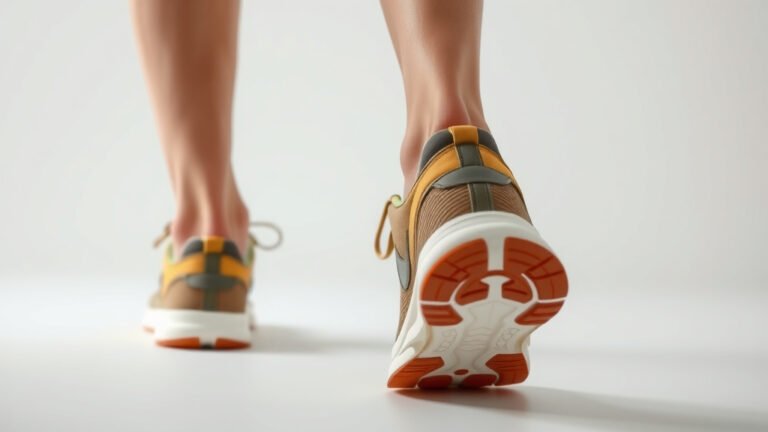
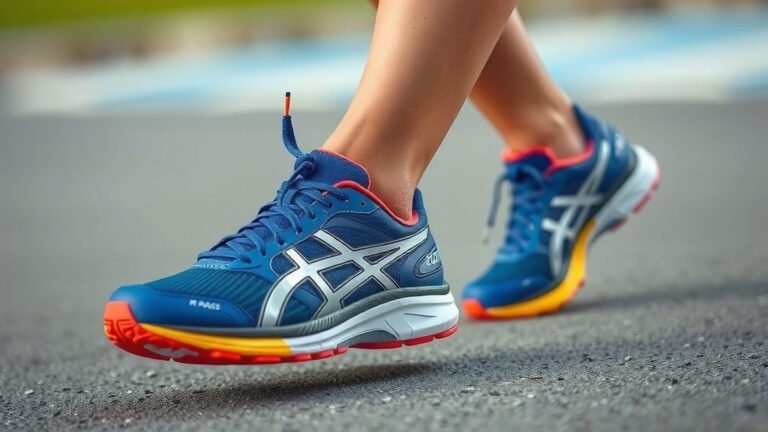
Stability shoes work by offering gentle support to your feet. They help guide your stride if your foot tends to roll inward too much. This controlled guidance can make your runs feel more comfortable. So, if you’re wondering how stability shoes work, think of them as a helpful nudge for your feet.
These shoes often have denser foam on the inside edge. This area is called the medial post. It’s designed to slow down excessive inward rolling, also known as overpronation. Many runners find this extra support makes a big difference in their comfort. It can help prevent common running discomforts.
- Stability shoes guide your foot’s natural motion.
- They use denser foam to slow inward rolling.
- This helps with comfort and can prevent issues.
- Think of them as gentle support for your stride.
Let’s walk through exactly how these shoes provide that extra bit of stability for your runs.
Understanding How Stability Running Shoes Function
Stability shoes are designed to offer a helping hand to runners whose feet tend to roll inward too much as they strike the ground. This inward rolling motion is often referred to as overpronation. Stability shoes work by providing gentle guidance and support to help correct this motion.
The Anatomy of a Stability Shoe
You might be wondering what makes these shoes different. It’s mostly about what’s happening on the inside. Stability shoes are built with specific features to offer that extra bit of control.
The Medial Post: Your Shoe’s Gentle Corrector
The most common feature is the medial post. This is a denser piece of foam found on the inner side of the midsole. Think of it like a firmer brick placed where your arch would be. When your foot rolls inward excessively, this firmer foam compresses less than the rest of the midsole. This difference in compression slows down the inward roll. It helps your foot stay more aligned during your stride.
Guiding Your Foot’s Natural Motion
It’s important to remember that stability shoes don’t force your foot into an unnatural position. Instead, they guide your foot. They work with your natural gait cycle. They are there to provide support when needed most. Many runners find this subtle guidance makes a noticeable difference in comfort.
Other Stability Features You Might Find
Beyond the medial post, other design elements contribute to stability. Some shoes use a wider base or a more structured heel counter. The heel counter is the part of the shoe that wraps around your heel. A firmer heel counter can help lock your heel in place. This prevents excessive movement. A wider platform offers a more stable landing surface for your foot.
Who Can Benefit from Stability Shoes?
So, who should consider reaching for a pair of stability shoes? It often comes down to your foot’s natural mechanics.
The Runner Experiencing Overpronation
If your feet tend to roll inward quite a bit when you run, stability shoes can be a great option. This is the primary reason people choose them. When your foot rolls in too far, it can put extra stress on your ankles, knees, and hips. By offering a bit more support, these shoes can help distribute pressure more evenly. This can lead to a more comfortable and potentially injury-free run.
We found that runners with flatter arches often overpronate. However, not everyone with flat feet needs stability shoes. It’s always best to get a gait analysis. This helps determine your specific needs.
Comfort and Injury Prevention
Many runners turn to stability shoes for comfort. If you’ve experienced aches or pains after running, especially in your shins, knees, or feet, stability shoes might help. The added support can reduce the strain on your joints and muscles. This can prevent common running discomforts. Think of it as giving your feet a little extra confidence with each step you take. If you’ve experienced aches or pains after running, consider how insoles can provide added support.
Research suggests that proper footwear can play a role in injury prevention for runners (National Institutes of Health). Stability shoes are one type of footwear designed to address specific biomechanical needs.
Stability vs. Neutral Shoes: What’s the Difference?
You’ll often hear about stability shoes and neutral shoes. Understanding the difference is key to choosing the right pair.
The Role of Neutral Shoes
Neutral shoes are built for runners whose feet don’t excessively pronate. They offer cushioning and a smooth ride. They don’t have the firmer medial post or other stability-focused elements. They allow your foot to move naturally through its stride. If you have a high arch or a neutral gait, a neutral shoe is often recommended.
When to Choose Stability
You generally want to choose stability shoes if you know you overpronate. This can be determined through a gait analysis at a specialty running store. They watch you run on a treadmill. They can often see how much your foot rolls inward. You might also feel the need for more support. Perhaps your current shoes feel too soft on the inside edge.
A Quick Comparison
Here’s a simple breakdown to help you visualize the difference:
| Feature | Stability Shoes | Neutral Shoes |
|---|---|---|
| Primary Goal | Control overpronation | Cushioning and flexibility |
| Midsole Foam | Denser foam on the medial side (medial post) | Uniform foam density throughout |
| Support Level | Moderate to high support | Low to moderate support |
| Ideal For | Overpronators, flat arches | Neutral pronators, high arches |
Tips for Choosing Your Stability Shoes
Finding the right pair of running shoes can make a world of difference. Here are a few things to keep in mind when you’re looking at stability options.
- Get a Gait Analysis: This is the most important step. A professional can assess your foot strike and pronation level.
- Consider Your Arch Height: While not the only factor, arch height often correlates with pronation.
- Feel the Support: Try them on and see how they feel. You should feel gentle support, not stiffness.
- Don’t Guess: It’s easy to think you know what you need. Let the experts help you confirm.
- Listen to Your Body: Ultimately, the best shoe is one that feels comfortable and allows you to run without pain.
Conclusion
You’ve learned how stability shoes offer gentle support to guide your stride. They use features like the medial post to help manage inward foot rolling, often called overpronation. This support can lead to a more comfortable run and help prevent common discomforts. If you’ve been experiencing issues or have a foot type that benefits from extra guidance, these shoes are worth considering. Your next step is to visit a specialty running store for a gait analysis. Let a professional help you find the perfect pair to keep you running comfortably.
Frequently Asked Questions
Do I really need a gait analysis to know if I need stability shoes?
While not strictly mandatory, a gait analysis is highly recommended. Experts can observe your foot strike and pronation level on a treadmill. This professional assessment offers a more accurate understanding of your biomechanics than guessing alone.
Can stability shoes fix my flat feet?
Stability shoes can help manage the effects of flat feet, such as overpronation. They provide support to guide your foot. However, they don’t “fix” the arch itself. Your comfort and running form are the primary goals.
Are stability shoes bad for my feet if I don’t overpronate?
If you have a neutral gait or supinate (foot rolls outward), wearing stability shoes might feel too restrictive. They are designed to correct inward rolling, so they could potentially alter your natural stride uncomfortably if you don’t need that specific support.
How long does it take to get used to stability shoes?
Most runners find they adapt to stability shoes within a few runs. Your body should start to feel comfortable with the added support. If you experience persistent discomfort, it might be a sign the shoe isn’t the right fit for you.
Will stability shoes make me run faster?
Stability shoes are not designed to increase speed. Their main purpose is to improve comfort and reduce the risk of injury by providing support. A more comfortable and injury-free run can indirectly lead to better performance over time.