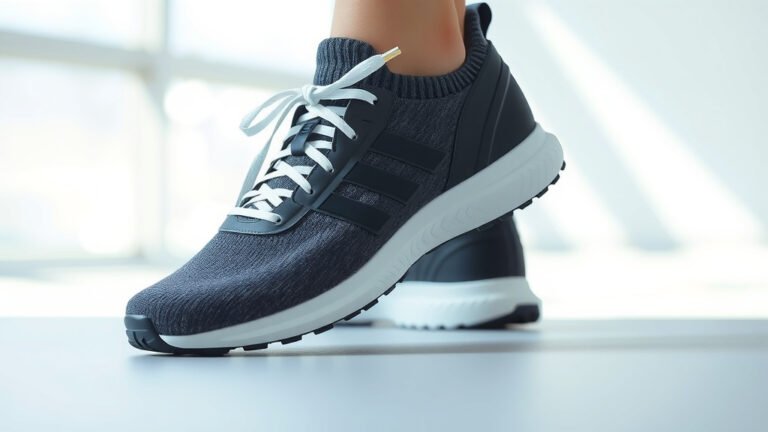
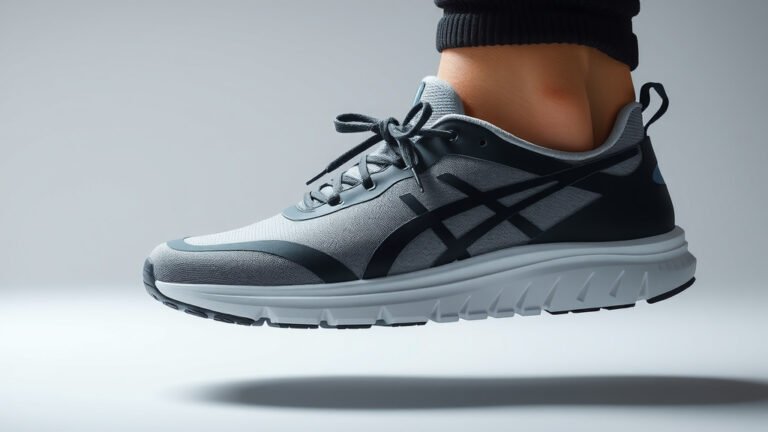
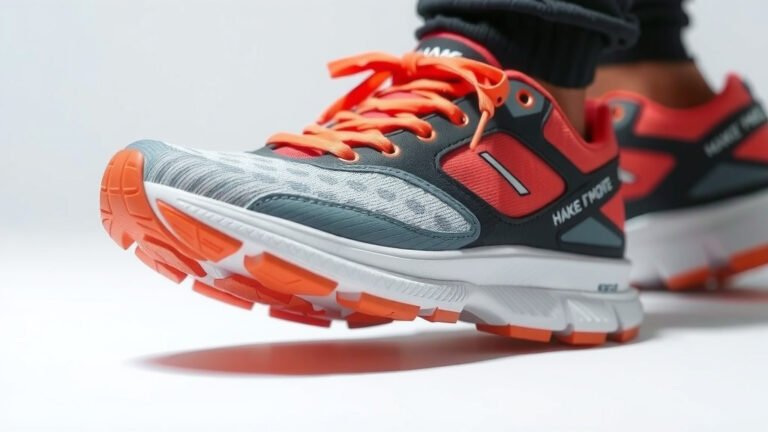
Can Running Shoes Be Too Cushioned? What Runners Should Know
Yes, running shoes can be too cushioned. Extra padding feels great at first, but too much of it can weaken your foot’s natural stability and change how you land with every stride. So if your shoes feel like marshmallows, that softness might actually be working against you.
Here’s the thing: cushioning protects your joints, but your feet also need to feel the ground to stay balanced and strong. We looked into what running experts and researchers have found, and the consensus is that max cushioning isn’t automatically better. It depends on your body, your running style, and the miles you’re putting in.
Still wondering if your squishy kicks are helping or hurting? You’re not alone. It’s one of the most common questions runners ask, and the answer surprises a lot of people.
- Too much cushioning can reduce stability and make some injuries more likely.
- Soft shoes change your running form, often without you noticing.
- More padding can also mean less energy return on faster runs.
- The right amount of cushion depends on your feet, your pace, and your goals.
- There’s a simple way to tell if your current shoes are too soft.
Below, we break down exactly what happens when shoes get too padded, who should avoid max cushioning, and how to pick the pair that’s right for you. Let’s get into it.
When Your Running Shoes Have Too Much Cushioning
The short answer is yes, and it shows up in two main ways: your feet get lazy and your form drifts. Think of it like wearing mittens all day. Your hands stay warm, but they lose their grip on the world. Your feet work the same way when every landing feels like sinking into a pillow top mattress.
Researchers have started paying real attention to this. One widely cited study published in the American Journal of Sports Medicine found that runners in the softest shoes actually landed with more force, not less, because their bodies couldn’t sense the ground as well. We found that pattern echoed across several reviews in the NIH database.
Your Feet Stop Doing Their Job
Your foot has 26 bones and dozens of small muscles. Their whole purpose is to adjust, balance, and push off with every step. When a shoe does all that absorbing for you, those muscles clock out early.
Over months, that can mean weaker arches and tired stabilizer muscles. Many experts say this is one reason some runners feel wobblier in max-cushion shoes, especially on uneven sidewalks or trails.
Your Form Quietly Changes
Here’s the sneaky part. You don’t feel your form shifting. A study in Scientific Reports showed that runners in very soft shoes often land harder and with a more extended leg, almost as if they’re searching for a stable surface that isn’t there.
That harder landing can send extra load up your shins and knees. Your body is smart, but it can’t fix what it can’t feel.
Signs Your Shoes Are Too Soft
Not sure if your current pair crosses the line? We put together a quick checklist. If you check more than two of these, it might be time to try something firmer.
- You sink visibly when you press a thumb into the midsole.
- Your ankles feel wobbly on turns, curbs, or uneven pavement.
- Your calves and feet feel oddly tired after easy runs.
- You’ve noticed a new ache in your shins, hips, or knees since switching shoes.
- Easy paces feel fine, but faster running feels mushy and slow.
- The shoe is past 300 to 400 miles and feels softer than day one.
That last one matters more than people think. Foam breaks down, and a once-firm shoe can become a marshmallow before you realize it.
The Science of Soft Shoes and Injuries
So does extra padding cause injuries? Not exactly, and not for everyone. But the picture is more interesting than the shoe commercials suggest.
What the Research Actually Says
Reviews from the NCBI show mixed results. Some runners do fine in soft shoes for years. Others develop issues that fade once they switch. The common thread in the research is stability, not softness alone.
When a shoe compresses unevenly under your foot, your ankle works overtime to keep you level. A study from the NIH on shoe midsole stiffness found that softer midsoles were linked to more ankle movement during running. More ankle movement, over many miles, can mean more strain.
The Cleveland Clinic notes that most running injuries come from doing too much too soon, not from one single shoe feature. So your soft shoes might be fine. But they can add stress on top of a training plan that’s already pushing your limits.
Cushioning and Fast Running Don’t Always Mix
Ever tried jumping on a trampoline and then on concrete? Concrete wins for speed. Same idea with shoes.
Very soft foam absorbs energy instead of returning it. That’s fine for an easy jog. But when you pick up the pace, that squish becomes drag. This is why many racers choose lighter, firmer shoes even though plenty of cushioning exists in modern racing models.
Who Should Think Twice Before Going Max Cushion
Some runners genuinely benefit from extra padding. Others should be more careful. We found a few patterns worth knowing.
- Runners with a history of ankle sprains often do better in firmer, more stable shoes.
- Trail runners need ground feel to handle rocks and roots safely.
- Heavier runners sometimes like soft foam, but stability features matter just as much.
- Beginners building foot strength may want a middle ground rather than maximum softness.
If you’re unsure where you land, a gait analysis at a running store can help. It’s quick, usually free, and honestly kind of fun.

Cushion Levels, Compared
Shoe brands don’t use one standard scale, but most shoes fall into a few rough buckets. Here’s a simple guide to help you place your current pair.
| Cushion Level | How It Feels | Best For | Watch Out For |
|---|---|---|---|
| Minimal | Close to barefoot, thin midsole | Short runs, form work, foot strength | Slow transition, sore calves at first |
| Moderate | Balanced, some give underfoot | Most everyday runners | Very few downsides for daily use |
| High | Plush but still responsive | Long runs, recovery days | Less ground feel on trails |
| Max Cushion | Deep squish, tall stack height | Easy mileage, joint-friendly recovery | Stability issues, mushy feel at speed |
How to Pick the Right Amount of Cushion
You don’t need to swear off soft shoes. You just need to match them to the run.
A good setup many runners use is a rotation. One firmer shoe for speed days and one softer shoe for long, easy efforts. Your feet get both protection and workout. The Mayo Clinic points out that varying your routine, including your footwear, can help reduce overuse stress. Our guide to rotating trainers and racers walks through building that two-shoe setup.
Match the Shoe to the Run
Easy jog or recovery day? Soft shoes shine here. They take the edge off tired legs.
Intervals, tempo runs, or race day? Reach for something lighter and firmer. Your legs will thank you around mile three.
And whatever you choose, transition slowly. Major health organizations, including the CDC, recommend gradual increases in activity to avoid overuse injuries. Swapping shoes is no different. Give your feet a few weeks to adjust, and listen when they complain.
Your feet are smarter than any foam compound. Give them a job, keep the padding honest, and they’ll carry you a long way.
Conclusion
So yes, running shoes can be too cushioned. Extra foam isn’t the enemy, but when it hides the ground from your feet, it can weaken your stride, dull your stability, and even add impact instead of absorbing it. The sweet spot is a shoe that matches the run: soft and plush for easy days, firmer and lighter when you want speed. We found the smartest runners don’t pick a side. They build a small rotation and let their feet tell them what works. Your next step is simple: press your thumb into your midsole, run that quick checklist, and if your shoes are sinking more than supporting, it’s time to try a firmer pair. Your knees, ankles, and race times will all be better for it.
Frequently Asked Questions
How many miles do running shoes last before the cushioning breaks down?
Most running shoes hold up for about 300 to 500 miles, though lighter runners and softer foam can shift that number either way. A good habit is to track your mileage in a notes app or running watch. When the midsole feels flatter or achier legs follow your runs, it’s time for a new pair.
Are max cushion shoes good for walking and standing all day?
They can be, as long as you’re not asking the shoe to hold up on uneven ground. Plush foam takes pressure off your feet during long hours of walking or standing. Just watch for that wobbly feeling on stairs or curbs, since tall, soft stacks trade some ankle support for comfort.
Do I need to break in new running shoes before a long run?
You don’t need a long break-in like old leather boots, but you shouldn’t debut fresh shoes at a race either. We suggest running 20 to 30 easy miles in them first. That gives your feet time to adjust and gives you a chance to spot any fit issues before a big effort.
Can a soft shoe cause plantar fasciitis or shin splints?
No single shoe feature causes these issues, but overly soft foam can contribute by changing how force moves through your legs. Research we reviewed shows injuries usually come from a mix of training load, form, and footwear. If a new ache shows up after a shoe change, that’s worth paying attention to.
Is it okay to run in cushioned shoes every day?
Yes, plenty of runners do it without problems, especially if the shoe still feels stable underfoot. The risk comes when the foam is so soft that your form and balance suffer over many miles. If every run feels good and you’re injury-free, you’ve likely found a shoe that suits you.