Can Running Shoes Cause Shin Splints? What Runners Should Know
Yes, running shoes can cause shin splints — especially if they’re worn out, don’t fit your feet, or simply don’t match how you run. The wrong pair changes your stride and posture, which puts extra stress on your shins with every step.
Here’s the thing: it’s rarely the shoes alone. Training too fast, too soon is the biggest culprit, but bad footwear stacks more strain on top of it. We dug into what podiatrists and running coaches say, and the pattern is clear — support, cushioning, and fit all play a role in whether your shins stay happy or start screaming halfway through a jog.
- Worn-out or poorly fitted shoes can increase your risk of shin splints.
- Shoes that don’t match your foot type (flat feet, high arches) make things worse.
- Most running shoes lose their cushioning after 300 to 500 miles.
- Ramping up mileage too quickly is the most common cause of shin splints.
- The right shoes, paired with smart training habits, can help you avoid the pain entirely.
So how do you know if your shoes are the problem — and what should you do about it? Let’s walk through exactly how your shoes affect your shins, and what you can do to fix it before your next run.
How Your Running Shoes Affect Your Shins
Your shoes control how your foot hits the ground. When that landing is off, the shock travels straight up your shins instead of being absorbed the way it should be.
Think of your shoes like the suspension on a car. Fresh suspension soaks up bumps. Dead suspension makes every pothole rattle the whole frame. Your shins are the frame in this story, and they don’t love the rattling.
Research reviewed by the Cleveland Clinic shows shin splints come from repeated stress on the bone and surrounding tissue. Shoes that fail to absorb impact make that stress worse, stride after stride.
Worn-Out Shoes and Lost Cushioning
Most running shoes start losing their cushioning between 300 and 500 miles. Some experts say the midsole foam can break down even sooner, often before the outsole looks worn.
Here’s the sneaky part: your shoes can look fine and still be dead inside. We found many runners replace shoes based on looks, not miles. If you can’t remember when you bought them, that’s usually a bad sign.
The Fit Problem Nobody Talks About
Shoes that are too small, too loose, or the wrong shape for your foot change how you land. A tight toe box can force you to shorten your stride. A loose heel lets your foot slide and wobble with every step.
Both scenarios push extra stress into your lower legs. Many experts suggest getting fitted at a specialty running store, where staff can watch you walk and match shoes to your feet.
Arch Support: Why Your Foot Type Matters
Flat feet and high arches handle impact differently. Flat feet tend to roll inward, called overpronation. High arches are stiff and absorb less shock on their own.
Neither foot type is doomed. But pairing the wrong foot with the wrong shoe stacks strain on your shins. We found that stability shoes help many overpronators, while cushioned neutral shoes often work better for high arches.
If you’re unsure about your arch type, try the wet test. Step on a piece of paper with a wet foot. A full footprint suggests flat feet. A thin sliver suggests high arches.
Signs Your Shoes Might Be Behind the Pain
Not sure if your shoes are guilty? Your body usually leaves clues. Here’s a quick checklist we put together:
- Your shin pain shows up within the first few minutes of a run.
- Your shoes have more than 400 miles on them.
- The midsole feels flat or hardened when you press it.
- You notice new aches in your knees, hips, or ankles too.
- One side of your shoe’s sole is visibly more worn down.
- Your pain eases on rest days but returns every time you run.
Two or more checks? Your shoes deserve some suspicion.
How to Tell If It’s Your Shoes or Your Training
Honest answer: it’s often both. But there’s a way to narrow it down. Look at when the pain started relative to changes in your routine.
Did you recently bump your mileage, add hill runs, or start running on concrete? Then training load is a prime suspect. Did nothing change except your shoes getting older? Footwear moves to the top of the list. If pavement is part of your routine, our guide to running on concrete explains what cushioning your shoes need.
Research from NIH-supported studies points to sudden increases in training volume as the most common trigger for shin splints. Shoes are a contributing factor, not usually the whole story.
The 10 Percent Rule
Many coaches recommend increasing weekly mileage by no more than 10 percent at a time. Jump from 10 miles to 20 in a week, and your shins will send a strongly worded complaint.
Bones actually get stronger with stress. But they need time to rebuild between hard efforts. Rush the process and microdamage outpaces recovery, which is essentially what shin splints are.
Fixing the Problem: Shoes and Habits That Help
Good news: shin splints usually respond well to simple changes. Most runners recover with rest, better footwear, and a patient return to running, according to guidance from the Mayo Clinic.
Choosing the Right Replacement Shoes
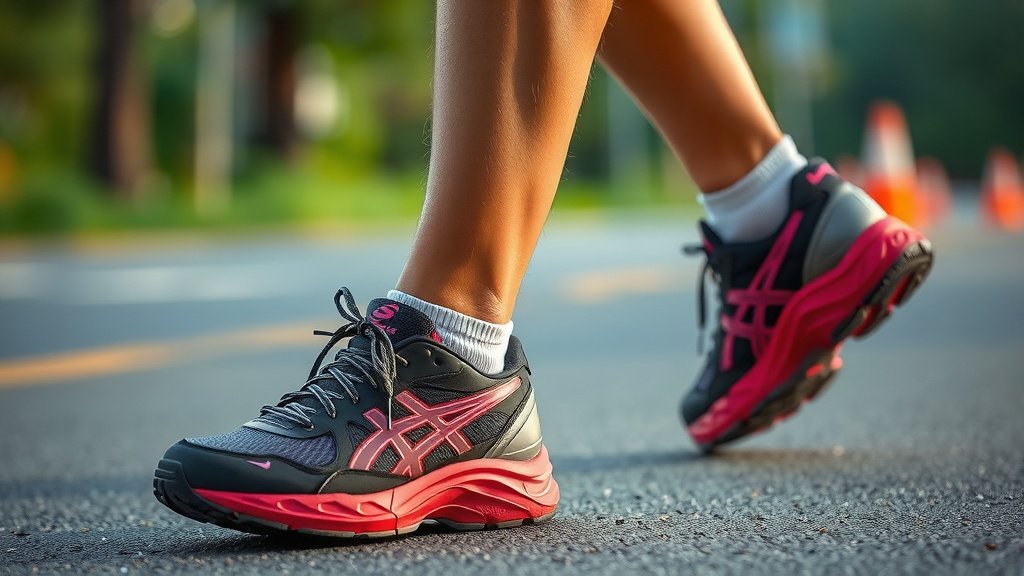
When shopping, match the shoe to your foot, not to a friend’s recommendation. What works for your running buddy may be wrong for you.
Here’s a quick comparison to guide you:
| Foot Type | What to Look For | Why It Helps |
|---|---|---|
| Flat feet | Stability or motion-control shoes | Slows inward rolling |
| Neutral arches | Standard cushioned trainers | Balanced shock absorption |
| High arches | Extra-cushioned neutral shoes | Compensates for stiff landings |
Try shoes on at the end of the day, when your feet are slightly swollen. That’s how they’ll be during a long run.
Track Your Shoe Mileage
We found one of the easiest fixes is simply keeping count. Log your miles in a running app or a note on your phone, and replace shoes around the 400-mile mark.
Heavier runners or heel strikers may need to replace them sooner. Your body will often warn you first, so listen when new aches appear.
Simple Habits That Protect Your Shins
Shoes are only half the equation. These habits stack the deck in your favor:
- Warm up with a few minutes of brisk walking before you run.
- Mix in soft surfaces, like trails or tracks, a couple times a week.
- Strengthen your calves and hips with simple bodyweight exercises.
- Take rest days seriously. Recovery is where the magic happens.
- Stretch your calves after runs. Tight calves tug on the shin area.
Small changes, big payoff. Your shins will thank you around mile three.
Conclusion
So, can running shoes cause shin splints? Yes, they can — but they’re usually a partner in crime, not the lone villain. Worn-out cushioning, poor fit, and the wrong shoe for your arch type all stack extra stress on your shins. Pair that with training that ramps up too fast, and pain is almost guaranteed.
The fix doesn’t require anything dramatic. Check your shoe mileage, match shoes to your foot type, and follow the 10 percent rule when building mileage. Add a little calf strengthening and rest, and most shin pain fades within weeks.
Your next step is simple: pull out your current running shoes and check their age. If you can’t remember when you bought them, it’s time for a new pair.
Frequently Asked Questions
How many miles should I replace my running shoes to avoid shin splints?
Most runners should replace shoes every 300 to 500 miles. If you’re a heavier runner or you land hard on your heels, aim for the lower end of that range. Track your miles in an app so you’re not guessing.
Will a new pair of shoes fix my shin splints right away?
New shoes can help, but they won’t erase existing pain overnight. Your shins need rest and time to heal first. Once the pain settles, fresh shoes plus a gradual return to running gives you the best shot at staying pain-free.
Are barefoot or minimalist shoes bad for shin splints?
We found minimalist shoes cut cushioning, which shifts more impact into your lower legs. That’s risky if you’re already dealing with shin pain. If you want to try them, wait until your shins are healthy and transition slowly over several months.
Can walking in worn-out shoes also cause shin splints?
Yes, it can. The same impact stress applies whether you’re walking or running, just at a lower level. If you spend long hours on your feet, dead shoes can contribute to shin soreness even without running.
Should I see a doctor for shin splints, or will new shoes be enough?
If pain is mild and improves with rest, new shoes and smart training usually do the trick. But if pain persists after a couple of weeks of rest, or gets worse at rest or at night, see a doctor. Stress fractures can mimic shin splints and need proper treatment.