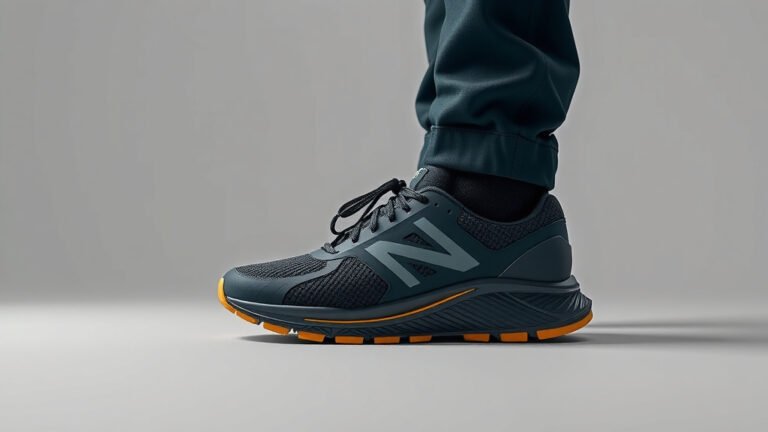
Do Stability Shoes Correct Pronation? The Truth
Yes, stability shoes can help correct pronation, but they don’t “fix” it like a medical device. They work by offering extra support to guide your foot through a more neutral motion. This can lead to reduced stress on your joints and a more comfortable run.
Pronation is simply your foot’s natural inward roll when you walk or run. Overpronation happens when your foot rolls inward too much. Stability shoes are designed with features like firmer foam on the arch side and a supportive heel counter to gently guide your stride. Many runners find them helpful for managing mild to moderate overpronation and preventing common aches and pains.
- Stability shoes offer support for overpronation.
- They guide your foot to a more neutral roll.
- Features include firmer foam and a supportive heel.
- They can help reduce strain and improve comfort.
Let’s dive into how these shoes work and what you should look for when choosing a pair to help with your pronation.
Can Stability Shoes Help Manage Overpronation?
Yes, stability shoes can certainly help manage overpronation. They are specifically designed to offer support and guidance to your feet. Think of them as a gentle coach for your stride. They don’t “fix” your foot’s mechanics permanently, but they guide it during the action of running or walking. This can lead to a more comfortable and efficient movement.
Many runners experience overpronation. This is when your foot rolls inward more than is considered neutral. Stability shoes introduce features that counteract this excessive inward roll. We found that this targeted support can significantly reduce stress on your arches and ankles. It’s a popular choice for those seeking relief from common running discomforts.
Understanding How Stability Shoes Work
Stability shoes are built with specific technologies to address overpronation. Their primary goal is to provide a more stable platform for your foot. This helps to keep your foot aligned during the gait cycle. Research indicates that these shoes can offer a noticeable difference in perceived comfort and support.
Key Support Features
What makes these shoes special? It’s a combination of design elements working together. They aim to provide a more controlled foot strike and push-off. Many brands incorporate a variety of materials and structural additions to achieve this.
The Role of Firm Foam (Medial Post)
One of the most common features is a section of firmer foam. This is often found on the inner side of the shoe, under the arch. We found this “medial post” is designed to compress less than the surrounding foam. When your foot rolls inward excessively, this firmer section helps slow down or limit that inward motion. It acts as a gentle wedge, encouraging your foot to stay more upright.
Heel Counter Design
Another important component is the heel counter. This is the rigid or semi-rigid structure that cups your heel. In stability shoes, the heel counter is typically more substantial. It helps to Another important component is the heel counter, which helps to lock your heel in place.lock your heel in place and prevent excessive side-to-side movement. This provides a stable base from which your foot can transition through its stride.
Midsole Guidance Systems
Beyond just foam, many brands use what they call “guide rails” or other midsole technologies. These are often firmer materials that run along the sides of the midsole. They act like bumpers. They help to keep your foot from rolling too far inward or outward. This integrated support system guides your foot through a more neutral path from landing to toe-off.
What Overpronation Feels Like
How do you know if you might be overpronating? Often, people don’t realize it until they experience discomfort. You might notice wear patterns on the soles of your old shoes. The soles might be worn down more on the inner edge. Some common signs include pain in your arches, shins, or even knees.
You might also experience fatigue more quickly when running. Sometimes, a general feeling of instability underfoot is a clue. If your feet tend to point inward when you walk or run, that’s another indicator. Many experts suggest observing your natural gait or consulting a professional for an accurate assessment.
Do Stability Shoes Offer a “Cure”?
It’s important to manage expectations. Stability shoes are not a medical treatment. They don’t “cure” overpronation in the way a physical therapy exercise might. Instead, they provide mechanical support while you’re wearing them. They help to guide your foot into a more biomechanically sound position during activity.
Think of it like wearing a brace for a sprained ankle. The brace provides support while you’re active, but it doesn’t strengthen the ankle itself. Similarly, stability shoes offer external assistance. They can be incredibly helpful for reducing the symptoms associated with overpronation, like aches and pains, and improving your running experience.
Choosing the Right Stability Shoe for You
Selecting the right stability shoe is key. Not all stability shoes are created equal, and what works for one person might not work for another. Many runners find that a trial-and-error approach, with guidance, is most effective.
What to Look For
When you’re shopping, consider these factors:
- Level of Support: Some shoes offer mild support, while others are more robust. Your needs might change over time.
- Cushioning: Do you prefer a plush, soft feel or a firmer, more responsive ride? This is personal preference.
- Fit: This is paramount. The shoe must fit well in the toe box, midfoot, and heel. No pinching or slipping.
- Brand Reputation: Many brands have a long history of developing excellent stability shoes.
When to Seek Professional Advice
If you’re unsure about your pronation or experiencing persistent pain, it’s always wise to consult a professional. A running store specialist or a podiatrist can analyze your gait. They can offer personalized recommendations. We found that getting a gait analysis can save you time and potential discomfort down the line.
A Quick Checklist for Your Next Shoe Purchase
Here’s a handy checklist to keep in mind:
- Does the shoe feel supportive under your arch?
- Is the heel counter firm and does it cradle your heel well?
- Does the shoe guide your foot forward smoothly?
- Is there enough cushioning for your preference?
- Does the shoe feel comfortable and not restrictive?
- Have you considered getting a gait analysis?
Conclusion
So, can stability shoes help with pronation? Yes, they offer gentle guidance for your stride. They’re not a magic fix, but they provide important support. By using features like firmer foam and a secure heel counter, they help guide your foot. This can lead to less strain and a more comfortable run for many. If you’re dealing with overpronation, consider trying a pair. Your next step? Visit a trusted running store for a gait analysis. This will help you find the best stability shoe for your unique needs and get you back on the road feeling great.
Frequently Asked Questions
How do I know if I need stability shoes?
You might need stability shoes if you notice excessive wear on the inside edge of your running shoes. Many people also experience pain in their arches, shins, or knees. Observing if your feet tend to roll inward too much when you walk or run is another good indicator. A professional gait analysis can give you a definitive answer.
Can I wear stability shoes if I don’t overpronate?
Generally, it’s not recommended to wear stability shoes if you have a neutral gait. While they offer support, they can feel too restrictive or stiff for neutral runners. This might actually alter your natural stride in an undesirable way. Sticking to neutral shoes will likely provide a more comfortable and efficient experience for your feet.
Will stability shoes completely fix my flat feet?
Stability shoes can offer support and help manage symptoms associated with flat feet, like overpronation. However, they do not “cure” or permanently correct the structure of flat feet. They provide external support during activity, not a permanent change to your foot’s arch. For structural concerns, consult a podiatrist.
How often should I replace my stability running shoes?
Like all running shoes, stability shoes lose their supportive qualities over time and mileage. We found that typically, you should look to replace them every 300 to 500 miles. Pay attention to how they feel; if the cushioning feels flat or the support seems less effective, it’s likely time for a new pair.
Are stability shoes good for standing all day?
Stability shoes can be helpful for standing all day if you overpronate or need extra arch support. The added structure can help distribute pressure more evenly and reduce fatigue. However, prioritize comfort and fit above all else. If you have a neutral stance, a shoe with good cushioning and support but without motion control features might be better.