Road vs Trail Running Shoes: Key Differences Explained
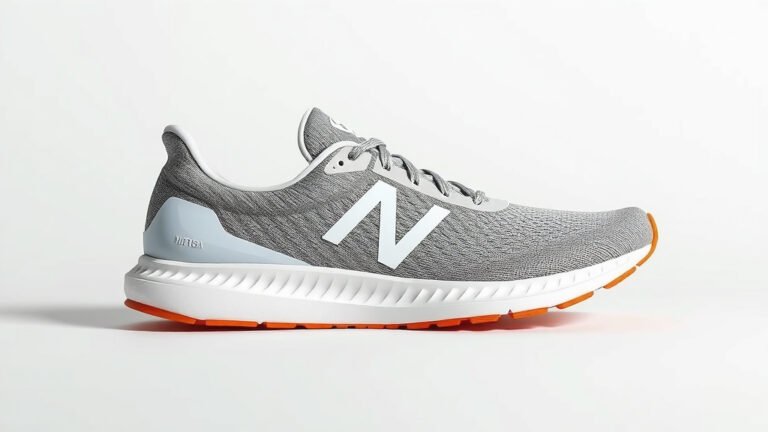
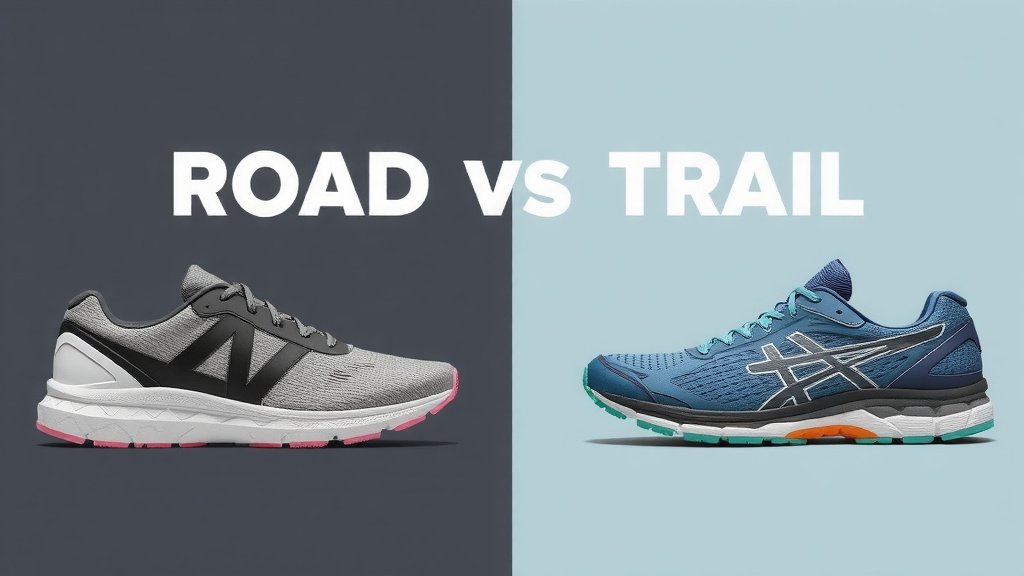
The main difference between road vs trail running shoes is grip and protection. Road shoes are lighter and made for smooth pavement, while trail shoes have aggressive tread and tougher materials to handle rocks, mud, and roots.
We researched dozens of pairs and found that picking the right one comes down to where you actually run. Most runners stick to one type, but many experts say it’s smart to own both if you mix pavement and dirt trails in your routine. The wrong shoe can leave you slipping on wet gravel or feeling every pebble through a thin sole.
Here’s the short version before we get into the details:
- Road shoes are lighter, smoother, and built for speed on pavement.
- Trail shoes have grippy soles and extra protection for rough ground.
- You can run easy trails in road shoes, but mud and rocks are a different story.
- Cushioning and durability differ a lot between the two types.
- Your choice should match the surfaces you run on most often.
So which one should you actually buy? Below, we break down everything you need to know about road vs trail running shoes, from soles to fit, so you can pick with confidence.
How Road and Trail Running Shoes Differ
The biggest differences show up in four areas: the outsole, the cushioning, the upper, and the overall weight. Once you know what each one does, choosing gets a lot easier.
The Soles Tell the Whole Story
Flip a road shoe over and you’ll see a fairly flat, smooth rubber bottom. Flip a trail shoe over and you’ll see lugs — those chunky rubber teeth that dig into dirt and mud. Deeper lugs mean better grip on soft or slippery ground.
Road outsoles use softer rubber compounds designed to grip dry pavement and last through lots of miles. Trail outsoles use stickier, tougher rubber because rocks and roots chew through soft rubber fast.
Cushioning: Plush vs. Protective
Road shoes usually have thicker midsoles because pavement is unforgiving. You’re hitting the same hard surface thousands of times per run, so padding matters.
Trail shoes balance cushioning with a rock plate — a thin, stiff layer under the midsole that stops sharp stones from poking your feet. Too much squish on a trail can actually make you wobbly, so trail midsoles tend to feel firmer and lower to the ground.
Uppers Built for Different Weather
Road uppers are light and breathable. Trail uppers are tougher, often with reinforced toe caps and water-resistant coatings. Many trail shoes also shed mud and dry faster after a creek crossing.
Side-by-Side Comparison
Here’s a quick look at how the two stack up. Think of it as a cheat sheet you can glance at before shopping.
| Feature | Road Shoes | Trail Shoes |
|---|---|---|
| Traction | Smooth, flat outsole | Deep lugs for dirt and mud |
| Weight | Lighter overall | Heavier due to protection |
| Cushioning | Thick, soft midsole | Firmer, often with rock plate |
| Upper | Breathable mesh | Tougher, water-resistant |
| Durability | Wears faster on gravel | Built for abrasion |
| Best for | Pavement, tracks, treadmills | Dirt, rocks, mud, snow |
When Road Shoes Make Sense
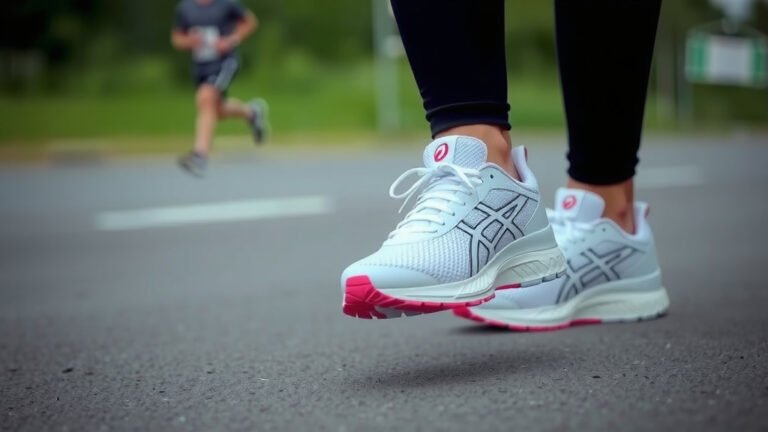
If most of your miles happen on pavement, sidewalks, or a track, a road shoe is the clear pick. It’s lighter, comfier over long stretches, and easier on your wallet.
Road shoes also shine on packed gravel paths and rail trails. If you can ride a road bike on it, a road shoe can handle it.
Why Weight Matters on Pavement
Every extra ounce on your feet costs you energy over long runs. Road shoes trim weight wherever possible because smooth surfaces don’t demand heavy protection. If speed is your goal, lighter wins.
When Trail Shoes Are Worth It
The moment your route includes loose dirt, wet roots, or rocks, trail shoes earn their keep. We found that runners who switched to trail shoes on technical routes reported far fewer slips and sore feet.
Traction isn’t just about speed — it’s about safety. A bad fall on a rocky descent can sideline you for weeks. Research on running injuries points to uneven terrain as a common culprit (NIH).
Mud, Snow, and Wet Conditions
Wet pavement is slick under any shoe, but wet mud is where road shoes completely fail. Trail lugs bite into soft ground the way tires dig into snow. If you run through winter, some trail shoes even take metal spikes for icy days.
Protection for Technical Terrain
Rocks, roots, and debris are the hidden hazards of trail running. A rock plate and a sturdy toe cap act like armor for your feet. You’ll stop flinching at every stone on the path.
Can You Use Road Shoes on Trails?
Yes — for easy, dry, packed-dirt trails, road shoes work fine. Plenty of runners do it. But we found that things go sideways fast once the trail gets muddy, steep, or rocky.
Think of it like tires on a car. You can drive summer tires in light rain, but you wouldn’t take them up a muddy forest road. Match the shoe to the challenge.

How They Fit Differently
Fit matters more than most runners realize. Trail shoes often fit a bit roomier to allow for foot swelling on long runs and thicker socks. Road shoes fit snugger for efficiency.
Also watch the heel drop — the height difference between heel and toe. Road shoes commonly sit around 8 to 12 millimeters, while many trail shoes run lower for better ground feel. Neither is better; it just changes how your legs work.
Durability and Cost Differences
Road shoes typically last between 300 and 500 miles, since soft pavement rubber wears down steadily (Cleveland Clinic suggests replacing running shoes once cushioning breaks down). Trail shoes often outlast road shoes mile-for-mile because their rubber is tougher, even though rocks can shred an upper.
Price-wise, both types span the same range. You’ll find solid options from about $100 to $180. Spending more usually buys better cushioning or grip, not magic.
Quick Checklist Before You Buy
Before you click “add to cart,” run through this list. It takes two minutes and saves returns later.
- Match the surface — list where you actually run most weeks.
- Check the lugs — deep lugs for mud, shallow for packed dirt.
- Look for a rock plate if your routes are rocky.
- Try shoes on in the afternoon when feet are naturally swollen.
- Bring your running socks to the fitting for a true feel.
- Leave a thumb’s width of space at the toe to protect your nails.
Should You Own Both?
Many experts say yes, if your runs mix pavement and dirt. Owning one of each means you’re never forcing the wrong tool onto the wrong terrain. It’s like owning both a knife and a spoon — technically you could eat soup with a knife, but why would you? If you do build a two-shoe setup, our running shoe rotation guide shows how to structure it.
If your budget only allows one pair, be honest about where you run most. Buy for that surface first. Your knees, ankles, and toes will thank you for it.
Conclusion
Choosing between road vs trail running shoes doesn’t have to be confusing. Road shoes win on pavement with light weight and soft cushioning. Trail shoes win on dirt with deep lugs, rock plates, and tougher uppers. The real answer depends on your routes. If you run mixed terrain, we found that owning one of each beats settling for a compromise. Start by listing where you actually run each week, then match your purchase to that surface. Try shoes on in the afternoon with your running socks, and leave room in the toe box. The right pair makes every run feel easier.
Frequently Asked Questions
Can I run a trail race in road shoes?
For gentle, well-groomed courses, you can get away with it. But if the race description mentions mud, rocks, or steep descents, trail shoes are worth the investment. Race-day falls are a rough way to learn that lesson.
Do trail running shoes work for hiking?
Absolutely. Many hikers prefer trail shoes over heavy hiking boots because they’re lighter and dry faster. Just check the lugs and add a rock plate if your trails are rocky.
How do I clean muddy trail shoes?
Rinse off the mud with lukewarm water, scrub gently with an old toothbrush, and let them air dry away from direct heat. Never put them in the dryer — high heat breaks down the midsole and glue.
Do I need waterproof trail shoes?
Waterproof uppers keep rain out, but they also keep water in once it gets inside. We found most runners do better with quick-drying shoes unless they run in cold, wet winters.
Should trail shoes be a size bigger?
Many runners go up a half size for trail shoes to allow for downhill toe-slamming and foot swelling on long runs. Try them with your trail socks and make sure you have a thumb’s width at the front.