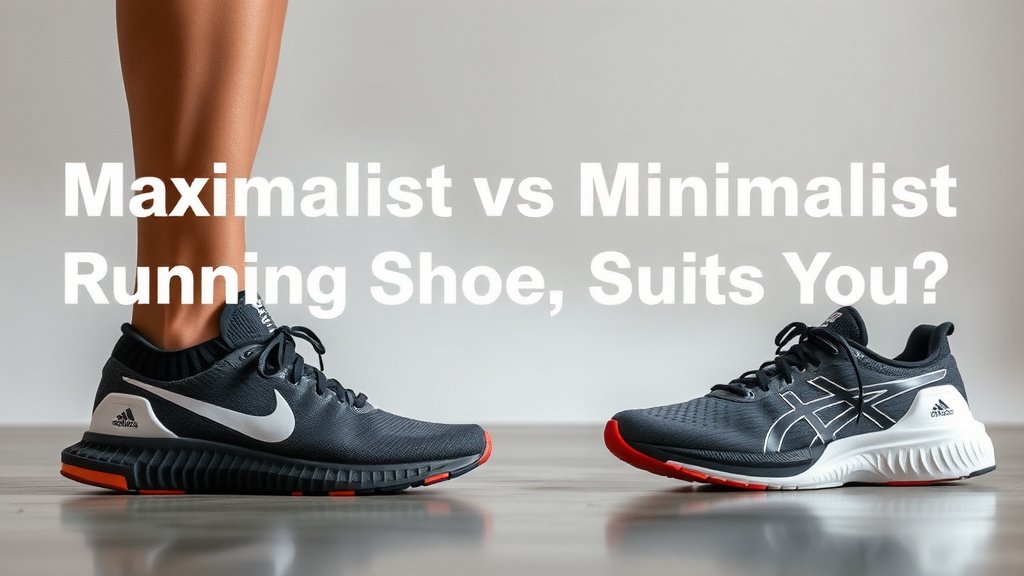
Maximalist vs Minimalist Running Shoes: Which Suits You?
The main difference between maximalist vs minimalist running shoes is cushioning: maximalists stack thick, soft foam under your feet, while minimalists keep you close to the ground with barely any padding. Neither one is “better” for everyone. The right pick depends on your body, your running style, and what feels good on your feet.
We researched what runners and experts say about both styles, and the answer surprised us. Maximalist shoes can soften the impact on hard pavement. Minimalist shoes may help strengthen your feet and calves over time. And switching between them too fast is where most runners get hurt.
Here’s the quick rundown before we dig in:
- Maximalist shoes have thick soles and lots of cushioning. Great for long runs and sore joints.
- Minimalist shoes are thin, light, and flexible. They let your feet move naturally.
- Your feet, injury history, and running surface matter more than trends.
- Switching styles takes time. Rush it and your calves will let you know.
- Many runners keep one of each and match the shoe to the run. Curious how to set that up? Our guide to building a running shoe rotation explains which pairs to own for each kind of run.
Below, we break down everything you need to know about maximalist and minimalist running shoes, so you can pick the pair your legs will thank you for.
What Sets Maximalist and Minimalist Shoes Apart
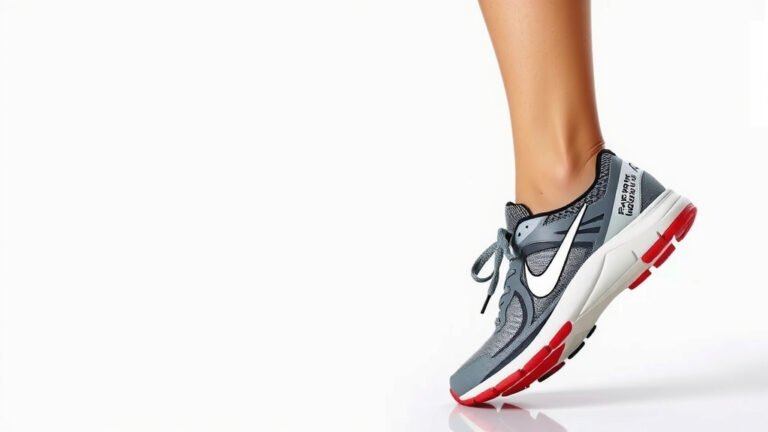
Maximalist shoes are built like plush couches for your feet. Thick foam, tall soles, lots of cushioning. Minimalist shoes do the opposite. They’re thin, flexible, and light, letting your feet bend and flex almost like you’re barefoot.
Think of it this way. A maximalist shoe is a memory foam mattress. A minimalist shoe is a firm sleeping pad. Both can work. It depends on what your body wants.
The Case for Maximalist Shoes
Thick soles absorb impact when you land on pavement. That’s their whole pitch. If your knees or hips complain after long runs, we found that many runners reach for max cushioning first.
Research from sports medicine groups suggests that softer, thicker midsoles can reduce the load your joints feel on hard surfaces. That said, cushioning isn’t magic. It spreads the stress around; it doesn’t erase it.
Best uses for maximalist shoes:
- Long runs where fatigue changes your form
- Running on hard pavement or concrete
- Recovery days when your legs feel beat up
- Runners with a history of joint aches
The Case for Minimalist Shoes
Minimalist shoes force your feet to do the work. Less cushion means your calves, arches, and Achilles take on more load. Over time, that can build strength in muscles that cushioned shoes let rest.
Studies indexed by the National Institutes of Health have looked at barefoot-style running and found changes in foot muscle strength over months of use. But there’s a catch. Those same studies noted more calf and foot injuries when runners switched too quickly.
Best uses for minimalist shoes:
- Short runs and speed work
- Building foot and calf strength gradually
- Runners who want better ground feel
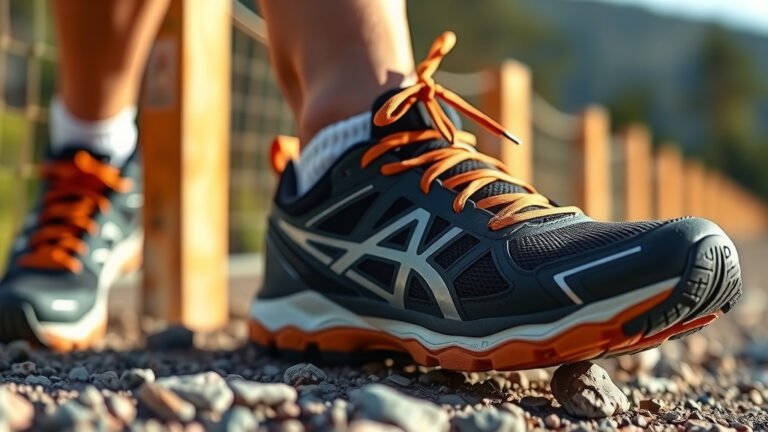
- Trail runners who like flexibility underfoot
Which Shoe Style Fits Your Running Style?
The honest answer: it depends on how you run and where. We put the main differences side by side so you can compare fast.
| Feature | Maximalist | Minimalist |
|---|---|---|
| Sole thickness | Very thick, often 30mm+ | Thin, often under 10mm |
| Weight | Heavier | Very light |
| Ground feel | Low | High |
| Joint impact | Cushioned | More absorbed by legs |
| Transition time | Quick for most runners | Slow, takes months |
| Best surface | Pavement | Track, trail, gym |
If You’re a Heel Striker
Heel strikers land hard on the back of the foot. Maximalist shoes cushion that landing well. Minimalist shoes can make heel striking painful fast, since thin soles don’t soften the blow.
If You Land Midfoot or Forefoot
Landing on your midfoot spreads impact more naturally. Many experts say this makes minimalist shoes easier to handle. Your calves still need time to adjust, though. No shortcuts here.
If You Run on Trails vs Roads
Roads punish your joints. Trails punish your ankles. Thick cushioning helps on long road runs. A flexible, lighter shoe can help you feel the trail and react to roots and rocks.
How to Switch Between Shoe Styles Safely
Here’s where most runners get into trouble. They buy a new style and run their normal miles in it. Big mistake. Your muscles need weeks to adapt, not days.
The American Academy of Orthopaedic Surgeons and other sports medicine sources recommend a slow transition for any big shoe change. We found that a gradual plan keeps your calves from staging a revolt.
Your Transition Checklist
Print this out or save it. Check off each step before moving to the next.
- Week 1–2: Wear the new shoes for one short run per week
- Week 3–4: Add a second short run in the new pair
- Week 5–6: Swap in one medium-length run
- Week 7–8: Use them for most easy runs
- Stop and rest if you feel calf or arch pain that lasts more than a day
- Keep your old shoes around during the whole transition

Common Mistakes Runners Make With Each Style
Nobody sets out to get hurt. But a few predictable mistakes show up again and again, in both camps.
Maximalist Mistakes
The big one: treating cushioning as a license to run more. Thick foam can hide bad form. Some research suggests runners in soft shoes may land harder without noticing. Cushioning helps, but it doesn’t replace good habits.
Minimalist Mistakes
Doing too much, too soon. Classic. One runner we read about went from cushioned trainers to minimalist shoes and doubled his mileage in week one. His calves wrote him a strongly worded letter for two weeks.
The Cleveland Clinic and similar sources note that sudden changes in footwear can lead to stress injuries in the foot and lower leg. Ease in. Your future self will thank you.
What to Look for When You Shop
Ignore the hype. Fit and feel beat marketing every time. Here’s what actually matters:
- Room for your toes — about a thumb’s width up front
- A heel-to-toe drop that matches your current shoes (within reason)
- Flexibility where your foot naturally bends
- Enough width so your foot doesn’t slide around
- A fit test late in the day, when feet are swollen like they are mid-run
One more tip from the research we reviewed: rotating between two pairs is common among experienced runners. A max-cushion shoe for long days, a lighter shoe for short ones. Many runners find this combo gives them the best of both worlds without forcing a hard choice.
Conclusion
At the end of the day, the maximalist vs minimalist debate isn’t about picking a winner. It’s about picking what your body needs right now. Thick cushioning protects your joints on long, hard road runs. Thin, flexible shoes build foot strength and ground feel over time. We found that the smartest runners don’t treat these as rivals. They match the shoe to the run and switch styles slowly. If you take one thing from this guide, let it be this: transition over weeks, not days, and let your calves vote.
Your next step: head to a running store, try on one of each style, and do a short test run in both. Your legs will tell you more than any review can.
Frequently Asked Questions
Can I use maximalist shoes for racing?
You can, but most racers prefer something lighter. Thick foam adds weight and can feel sluggish at faster paces. Some newer maximalist models are built lighter for race day, so test them in training first.
Do minimalist shoes fix my running form?
Not on their own. They can encourage a shorter, quicker stride because heel landing hurts on thin soles. But research we reviewed suggests form changes come from practice and drills, not just a shoe swap.
How long do maximalist shoes last compared to minimalists?
Soft, thick foam tends to break down faster than firm rubber soles. Many runners get noticeably fewer miles from a max-cushion pair. Watch for a flattened, uneven feel underfoot as your signal to replace them.
Are zero-drop and minimalist the same thing?
No, and it’s a common mix-up. Zero-drop means your heel and toe sit at the same height, but the shoe can still have thick cushioning. Minimalist refers to thin soles and low weight, which some zero-drop shoes also have. If you decide zero-drop is right for you, our guide to running in zero-drop shoes safely covers the transition step by step.
Should beginners start with maximalist or minimalist shoes?
Most new runners do well starting in a cushioned, moderate shoe while their bodies adjust to regular mileage. Save minimalist shoes until you’ve built a base. Then introduce them for short runs if you’re curious.