Find Running Shoes: Match Your Foot Type
Choosing running shoes based on your foot type is super important for comfort and injury prevention. You need to match your shoe’s support level to your arch height and how your foot lands. This means understanding if you have high arches, neutral arches, or flat feet.
Different foot types have different needs. High arches often need more cushioning. Flat feet usually benefit from extra stability. Finding the right match helps your feet feel great mile after mile. It’s like finding the perfect pair of socks, but way more important for your run!
- Know your arch type: high, neutral, or flat.
- Match shoe support (cushioning vs. stability) to your arch.
- Try shoes on late in the day for best fit.
- Don’t forget to consider your running goals.
We found that picking the right shoe for your foot type makes a huge difference. Let’s break down how to figure out your foot type and what shoes work best for you.
Finding the Perfect Running Shoe for Your Foot Type
Picking the right running shoe for your specific foot type is a game-changer. It can prevent aches, pains, and even injuries. Your foot’s arch and how it strikes the ground dictate the kind of support you need. Think of it like choosing the right tool for a job – the wrong one makes things much harder!
Understanding Your Foot Arch: The First Step
Your arch height is the main clue to your foot type. This arch is the space between your heel and the ball of your foot. It helps absorb shock as you run. Knowing if your arch is high, neutral, or flat helps you select a shoe that complements your natural stride. It’s the foundation for a comfortable run.
How to Determine Your Arch Type
There’s a simple test you can do at home. Grab a brown paper bag and a cup of water. Wet the bottom of your foot and step onto the paper bag. Now, look at the footprint you’ve left. This will show you the shape of your arch.
The Wet Footprint Test Explained
What you see on the paper tells the story. A full footprint with little to no curve means you likely have flat feet. A footprint with a noticeable curve, showing most of your foot, suggests a neutral arch. If you see only your heel and the ball of your foot, with a very thin or no connection between them, you probably have a high arch.
What Each Arch Type Means for Your Run
- Flat Feet: If your arch collapses inward when you run, it’s called overpronation. Your foot rolls too far inward. This can strain your ankles and shins. You’ll often see the inside edge of your shoes wear down faster.
- Neutral Arches: This is common and generally means your foot lands evenly. Your arch absorbs shock well. Most shoes will feel comfortable. You’ll see fairly even wear on the bottom of your shoes.
- High Arches: If your arch stays high and doesn’t flatten much, you might have underpronation (or supination). Your foot doesn’t roll inward enough. This means less shock absorption, potentially leading to knee or hip pain. The outside edge of your shoes might wear down.
Matching Shoes to Your Foot Type: A Practical Guide
Once you know your arch type, you can narrow down shoe options. Running shoes are generally categorized by the level of support they offer: cushioning, stability, or motion control.
Shoes for Flat Feet (Overpronators)
If you have flat feet, you typically need shoes that offer stability or motion control. These shoes are designed to limit excessive inward rolling. They often have a firmer midsole, especially on the arch side. This extra support helps guide your foot into a more neutral position.
Many experts recommend shoes with a medial post. This is a denser foam wedge on the inside of the shoe. It helps resist the inward collapse. Research suggests stability shoes can help reduce the risk of certain running injuries for overpronators (NCBI).
Shoes for Neutral Arches
People with neutral arches usually do best in cushioned running shoes. Your foot naturally handles shock absorption well. So, you want a shoe that provides plenty of comfort and shock absorption without overcorrecting your stride. Neutral shoes offer a good balance.
These shoes typically have a softer midsole. They allow your foot to move naturally. They don’t have extra support structures built in. Many runners with neutral arches find these the most comfortable for everyday training.
Shoes for High Arches (Underpronators)
If you have high arches, your feet don’t absorb shock as effectively. You’ll likely benefit from shoes with ample cushioning. Look for shoes that are soft and flexible. This helps mimic the natural shock absorption your foot might lack.
You don’t typically need stability features. In fact, shoes with too much motion control could feel stiff. Plenty of cushioning can help reduce stress on your joints. Many guides suggest prioritizing flexibility and shock absorption (Mayo Clinic).
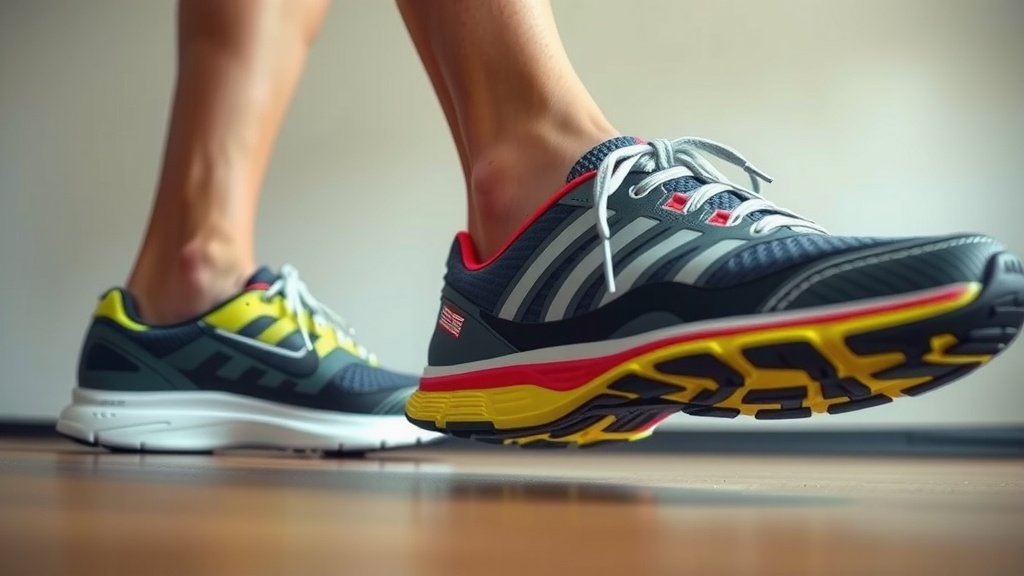
Key Features to Look For
Beyond arch support, consider other shoe features. The amount of cushioning, flexibility, and the shoe’s overall fit are important. Always try shoes on before you buy them.
The Importance of Fit and Comfort
Even the “perfect” shoe for your foot type won’t work if it doesn’t fit well. Your shoes should feel comfortable right away. There should be about a thumb’s width of space between your longest toe and the end of the shoe. The heel should feel secure, not slipping.
We found that trying shoes on later in the day is best. Your feet swell throughout the day, especially after activity. This ensures a comfortable fit even during your longest runs. Wearing the type of socks you usually run in will give you the most accurate feel.
When to Consider Professional Advice
If you’re unsure about your foot type or have persistent pain, visit a running specialty store. They can analyze your gait and recommend specific shoes. Many physical therapists also offer gait analysis services. This can provide personalized recommendations.
A Quick Checklist for Shoe Shopping:
- Confirm your arch type using the wet footprint test.
- Match your arch type to the shoe’s support level (cushioning, stability, motion control).
- Try on shoes late in the day with your usual running socks.
- Ensure there’s adequate space at the toe and a secure heel fit.
- Don’t be afraid to ask store staff for help.
- If in doubt, seek advice from a running store or a professional.
| Foot Type | Pronation | Recommended Shoe Type | Key Features |
|---|---|---|---|
| Flat Feet | Overpronation | Stability / Motion Control | Firmer midsole, medial support (e.g., denser foam) |
| Neutral Arch | Neutral | Neutral / Cushioned | Balanced cushioning, flexibility |
| High Arch | Underpronation (Supination) | Cushioned | Ample soft cushioning, flexibility |
Conclusion
You now have the knowledge to confidently choose running shoes that match your unique foot type. Remember, understanding your arch and how your foot moves is the first step. Selecting shoes with the right amount of cushioning or stability can make a world of difference in your running comfort and health. Don’t skip the in-person try-on; it’s essential for a perfect fit. Your next step is to head to a reputable running store, apply what you’ve learned, and find that perfect pair!
Frequently Asked Questions
How often should I replace my running shoes?
Generally, running shoes need replacement every 300 to 500 miles. This is because the cushioning and support degrade over time. Pay attention to how your shoes feel; if they feel less responsive or you start experiencing new aches, it might be time for a new pair.
Can I wear shoes for flat feet if I have neutral arches?
While technically you could, it’s not ideal. Shoes designed for flat feet offer extra stability to counteract overpronation. If you have neutral arches, these shoes might feel too stiff or cause discomfort because they’re correcting a stride that doesn’t need correction.
What’s the difference between stability and motion control shoes?
Stability shoes offer moderate support to help control overpronation. Motion control shoes provide maximum support and are typically firmer and heavier, designed for severe overpronation or very flat feet. Most runners will find stability shoes sufficient.
Is it okay to buy running shoes online if I know my size?
Buying online can work if you’re replacing an exact model you love and know fits perfectly. However, it’s always best to try shoes on, especially if you’re trying a new brand or model. Different brands and even models within a brand can fit quite differently.
My old running shoes don’t show much wear, can I keep using them?
Even if the outsole looks good, the midsole cushioning degrades over time and miles. This cushioning is what absorbs impact and protects your joints. You might not see wear, but the shoe’s protective qualities diminish, making you more susceptible to injury.