Choosing Natural Running Shoes: A Buyer’s Guide
Choosing shoes for natural running means picking footwear that lets your feet move as they naturally would. Look for shoes with a wide toe box and low heel-to-toe drop Learning about zero drop shoes is important for natural running.. This allows for better foot splay and a more natural stride, helping to prevent common running injuries.
When you run naturally, your feet land more softly and closer to your body. The right shoes support this motion by feeling lightweight and flexible. They should feel like an extension of your foot, not a restriction. Many runners find a significant difference in their comfort and performance.
- Prioritize a wide toe box for natural foot splay.
- Look for a low heel-to-toe drop (0-4mm is common).
- Choose shoes that are lightweight and flexible.
- Consider minimalist or barefoot-style shoes for a true natural feel. Consider minimalist shoes for a true natural feel.
Ready to find your perfect pair? Let’s walk through exactly how to select shoes that support your natural running style.
Picking Your Perfect Natural Running Shoes
Finding the right shoes for your natural running journey is all about letting your feet do their thing. We want footwear that feels like a natural extension of you. This means looking for certain features that support your foot’s natural movement patterns. It’s less about the shoe dictating how you run, and more about the shoe getting out of your way.
Understanding the Core Principles
Natural running focuses on biomechanics that mimic how humans ran for millennia. This often means a midfoot or forefoot strike. Your foot lands softly and closer to your center of gravity. This reduces impact forces compared to a heavy heel strike (NCBI). The right shoes help facilitate this.
Foot Strike Matters
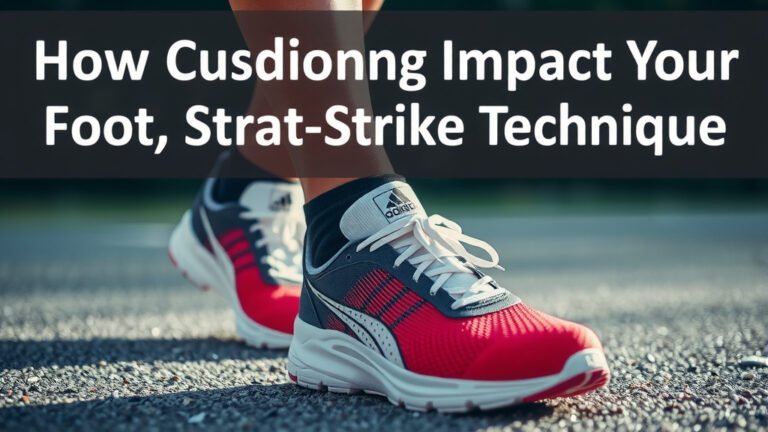
When you run naturally, you’re less likely to pound down on your heels. Instead, you land more on the middle or front of your foot. This shock absorption is managed by your foot and leg muscles. Your footwear shouldn’t interfere with this natural process. It should allow your foot to absorb shock effectively.
The Role of Cushioning
While natural running often means less aggressive cushioning, it doesn’t mean none. Some runners still prefer a bit of padding for comfort. The key is that the cushioning shouldn’t be so thick or rigid that it alters your foot’s natural mechanics. It should feel responsive, not mushy.
Key Features to Look For
When you’re out shopping or browsing online, keep an eye out for these specific shoe characteristics. They are the building blocks of a great natural running shoe. They help ensure your feet can move freely and safely.
The Importance of a Wide Toe Box
This is a big one. Your toes need space to spread out naturally when you land and push off. A narrow toe box can cramp your toes. This can lead to issues like bunions or nerve pain (American Podiatric Medical Association). Look for shoes where your toes can splay comfortably. You should be able to wiggle them easily. Think of it like giving your toes room to breathe.
Understanding Heel-to-Toe Drop
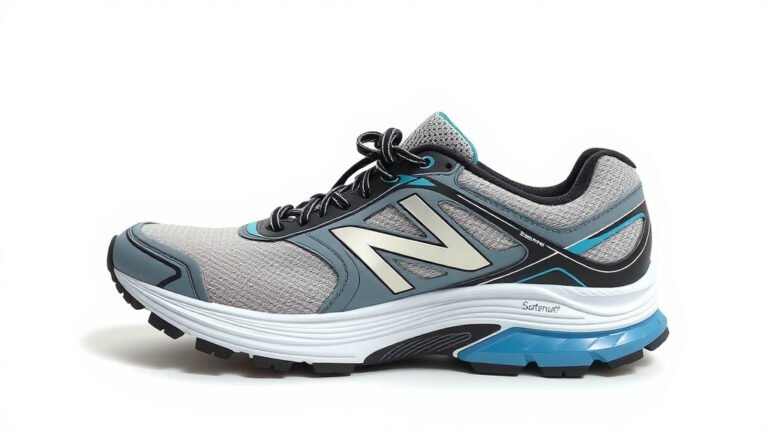
Heel-to-toe drop refers to the height difference between the heel and the forefoot of the shoe. Traditional running shoes often have a high drop (10-12mm or more). Natural running shoes typically have a low drop. This means the heel and forefoot are almost level. A drop of 0-4mm is common. This low drop encourages a more even foot strike. It helps prevent excessive strain on your Achilles tendon. It’s about promoting a balanced posture.
Flexibility and Ground Feel
Your running shoes should be able to bend and twist easily with your foot. They should allow you to feel the ground beneath you. This “ground feel” helps your foot make micro-adjustments for balance. It’s not about feeling every single pebble. It’s about a subtle connection to your running surface. Highly rigid or stiff shoes can hinder this feedback loop. Test this by trying to bend the shoe. It should flex where your foot naturally bends at the ball of your foot.
Lightweight Construction
Natural running often feels more effortless. Lightweight shoes contribute to this feeling. They don’t weigh you down with every stride. This can lead to less fatigue and a more efficient gait. You’ll notice a difference when you pick them up. They should feel like they’re barely there.
Navigating Different Shoe Categories
The world of running shoes has many options. Some are designed specifically with natural running in mind. Others can be adapted. Understanding these categories helps you make an informed choice.
Minimalist and Barefoot-Style Shoes
These shoes offer the least amount of interference. They often have a very low or zero heel-to-toe drop. They feature thin, flexible soles and a wide toe box. The goal is to mimic the sensation of running barefoot. They provide protection from the elements. But they allow your foot to move and sense the ground. Starting with these requires a gradual transition. Your feet and leg muscles will need time to adapt (CDC).
Zero-Drop Shoes
Zero-drop shoes have no difference in height between the heel and the forefoot. They offer a balanced platform. This encourages a more natural foot strike. They often still provide some cushioning. This can be a good middle ground for runners transitioning to a lower drop. They offer stability without forcing an unnatural heel strike.
Traditional Shoes with Natural Features
Some traditional running shoes are now incorporating more natural features. You might find some with a wider toe box or a slightly lower drop than usual. If you’re not ready for full minimalist shoes, look for these hybrid options. Always check the specs carefully. You’re looking for that balance between support and freedom.
Making Your Final Decision
Once you’ve considered the features and categories, it’s time to try them on. Your personal comfort is the ultimate deciding factor. What works for one runner might not work for another.
The Fit is Everything
Beyond the specific features, how the shoe feels on *your* foot is paramount. Does it rub anywhere? Is there enough room in the toe box? Does it feel secure without being constricting? Try them on with the socks you typically run in. Walk around in them. Do a few gentle jogs if possible. Pay attention to how your feet feel. Listen to your body.
Consider Your Running Goals and Experience
If you’re new to natural running, don’t jump into the most minimalist shoe available. Start with a shoe that has a lower drop than your current pair. Gradually increase the natural features as your body adapts. This transition period is key to avoiding injury. Many experts recommend a slow build-up.
Here’s a quick checklist to guide you:
- Wide toe box: Can you wiggle your toes freely?
- Low heel-to-toe drop: Is it 4mm or less?
- Flexibility: Does the shoe bend easily with your foot?
- Lightweight: Does it feel airy and not burdensome?
- Comfortable fit: Does it feel good all over, with no hot spots?
- Ground Feel: Can you feel a connection to the surface?
Conclusion
You’ve learned how to choose running shoes that support your natural stride. Remember to look for a wide toe box and a low heel-to-toe drop. Prioritize shoes that are flexible and feel lightweight. These features allow your feet to move as they naturally would. Your personal comfort is the ultimate guide. Start your search with these principles in mind. Now, go find a pair that feels like an extension of your own feet!
Frequently Asked Questions
Will natural running shoes really prevent injuries?
Research suggests that shoes promoting a more natural foot strike can help reduce certain types of impact injuries. By encouraging a midfoot or forefoot landing, they distribute force differently. However, injury prevention also relies heavily on your running form and gradual training progression.
How long does it take to get used to natural running shoes?
The transition time varies greatly among individuals. It’s often recommended to start slowly, perhaps with short runs, and gradually increase mileage over several weeks. Listen to your body and give your feet and leg muscles time to adapt to the new mechanics.
Can I wear minimalist shoes if I have flat feet?
Yes, many runners with flat feet find success with minimalist or zero-drop shoes. These shoes don’t force your foot into an unnatural position. They allow your own muscles to support your arch. It’s still important to transition gradually and pay attention to comfort.
What’s the difference between zero-drop and low-drop shoes?
Zero-drop shoes have no height difference between the heel and the forefoot, meaning they are completely flat. Low-drop shoes have a small difference, typically between 1mm and 4mm. Both encourage a more natural foot strike than traditional shoes with higher drops.
Should I still use insoles or orthotics with natural running shoes?
Generally, natural running aims to let your foot function naturally. Insoles and orthotics often alter foot mechanics. Many people transition away from them when adopting natural running footwear. If you have a diagnosed medical condition, consult with a podiatrist or physical therapist.