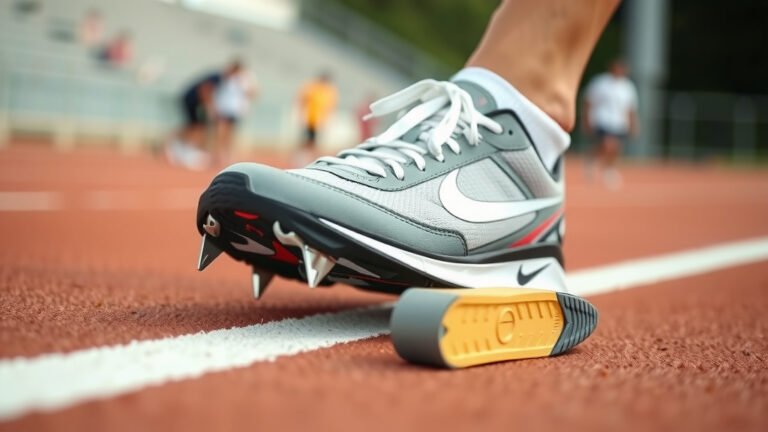
Stop Foot Pain: 7 Running Prevention Tips
Preventing foot pain while running starts with addressing the root causes. You can reduce discomfort by focusing on proper footwear, strengthening exercises, and smart training adjustments. This approach helps protect your feet from the repetitive stress of your runs.
Many runners experience foot pain at some point. It’s often linked to issues like poor biomechanics, inadequate conditioning, or ignoring early warning signs. Understanding these common culprits is key to staying pain-free and enjoying your miles.
- Wear supportive running shoes.
- Strengthen your foot and ankle muscles. Strengthening your foot and ankle muscles can improve stability and shock absorption.
- Gradually increase your running mileage.
- Listen to your body and rest when needed.
Let’s walk through exactly how to implement these steps to keep your feet happy on every run.
Keeping Your Feet Happy on Every Run
Foot pain can be a real buzzkill for runners. You might be gearing up for a great run, only for your feet to send a loud “nope!” signal. We get it. The good news is that preventing this discomfort is totally achievable. It’s about being smart with your training and your gear. Let’s dive into the practical steps you can take.
The Magic of the Right Running Shoes
Your running shoes are your first line of defense. They cushion your steps and support your feet. Wearing the wrong pair is like trying to run a marathon in flip-flops. It’s just asking for trouble.
Finding Your Perfect Fit
Not all running shoes are created equal. Your foot shape and how you run matter a lot. Are your arches high, low, or somewhere in between? Do you overpronate (your foot rolls inward too much) or supinate (your foot rolls outward)?
Answering these questions can guide you. Many specialty running stores offer gait analysis. They watch you walk or run to see your foot’s motion. This helps them recommend shoes that match your biomechanics. Look for shoes with good cushioning and support. They should feel comfortable the moment you put them on. Don’t go for style alone.
When to Retire Old Shoes
Running shoes have a lifespan. Their cushioning and support wear down over time. This is true even if they look okay on the outside. Many experts recommend replacing running shoes every 300-500 miles (National Institutes of Health).
Pay attention to how your shoes feel. If they feel less responsive or you start noticing new aches, it might be time for a new pair. Ignoring worn-out shoes is a common cause of foot pain.
Building a Stronger Foundation: Your Feet and Ankles
Your feet and ankles are the unsung heroes of your runs. They take a pounding with every stride. Strengthening them can make a huge difference in preventing pain. Think of it as building a sturdy base for your running house.
Simple Strengthening Exercises
You don’t need fancy equipment for these. Many exercises can be done right at home.
- Calf Raises: Stand with your feet flat. Rise up onto the balls of your feet, hold for a second, and slowly lower. Repeat 15-20 times.
- Towel Scrunches: Sit with your feet flat on the floor. Place a small towel in front of you. Use your toes to scrunch the towel towards you. Repeat several times.
- Ankle Circles: Lift one foot slightly off the ground. Rotate your ankle in a circular motion, 10-15 times in each direction.
- Toe Spreading: While sitting, try to spread your toes as wide as possible. Hold for a few seconds and release.
Doing these exercises regularly can improve your foot and ankle strength and flexibility. This helps absorb shock better during your runs.
The Importance of Mobility
Stiffness can lead to pain. Gentle stretching can help keep your feet and ankles nimble. Simple calf stretches are fantastic. Lean against a wall with one leg forward and the other straight back. Keep your back heel on the ground and feel the stretch in your calf.
Smart Training for Pain-Free Miles
How you train is just as vital as your gear and strength. Pushing too hard, too fast, is a recipe for injury. Gradual progression is key.
The 10% Rule: A Safe Guideline
A commonly cited guideline is to increase your weekly mileage by no more than 10%. So, if you run 20 miles one week, aim for no more than 22 miles the next. This gives your body time to adapt to the increased demands.
Research and experts often point to this gradual increase as a way to avoid overuse injuries (American College of Sports Medicine).
Listen to Your Body: The Ultimate Rule
This might be the most important advice of all. Your body sends signals. Ignoring them is risky. If you feel a sharp pain, don’t push through it. What feels like a little niggle today could become a major problem if neglected.
Rest days are not a sign of weakness; they are essential for recovery. Your muscles repair and strengthen during rest. Trying to run through pain often leads to longer recovery times and potentially more severe injuries.
Warm-Up and Cool-Down Routines
Don’t skip these! A dynamic warm-up prepares your muscles for the work ahead. Think leg swings, high knees, and butt kicks. A cool-down helps your body transition back to rest. Static stretching after your run can improve flexibility.
Addressing Common Foot Pain Culprits
Sometimes, pain pops up despite your best efforts. Understanding common issues can help you address them sooner.
Plantar Fasciitis
This is a very common cause of heel pain. It’s inflammation of the thick band of tissue that runs across the bottom of your foot. It often feels worse in the morning or after sitting for a while. Tight calf muscles and inadequate arch support can contribute (Cleveland Clinic).
Achilles Tendinitis
This involves pain in the back of your heel or lower calf. It’s caused by irritation or inflammation of the Achilles tendon, which connects your calf muscles to your heel bone. Overtraining or a sudden increase in intensity can be triggers.
Stress Fractures
These are tiny cracks in a bone, often caused by repetitive force. If you experience persistent pain that worsens with activity, see a doctor. They usually require rest and may need a walking boot.
If pain persists or is severe, it’s always best to consult a healthcare professional. They can provide a proper diagnosis and personalized treatment plan.
Quick Checklist for Pain-Free Running
Here’s a quick rundown to keep your feet feeling great:
- Wear supportive, well-fitting running shoes.
- Replace shoes every 300-500 miles.
- Incorporate foot and ankle strengthening exercises.
- Gradually increase your running mileage (no more than 10% per week).
- Always warm up before and cool down after your runs.
- Don’t ignore pain; rest and seek professional advice if needed.
Conclusion
Preventing foot pain while running is entirely within your reach. By focusing on the right running shoes, strengthening your feet and ankles, and training smartly, you build a solid defense. Remember that gradual progression and listening to your body are your most powerful tools. Don’t let foot pain sideline your running goals. Take these steps today to protect your feet and enjoy every mile ahead.
Frequently Asked Questions
How often should I replace my running shoes?
Most experts recommend replacing running shoes every 300 to 500 miles. Even if they look fine, the cushioning and support wear down over time. Paying attention to how your shoes feel can also signal it’s time for a new pair.
Are strengthening exercises really necessary for my feet?
Yes, strengthening your foot and ankle muscles is very important. These muscles help absorb shock and provide stability during your runs. Simple exercises like calf raises and towel scrunches can significantly improve your foot’s resilience.
What’s the best way to warm up before a run?
A dynamic warm-up prepares your body for running. Include movements like leg swings, high knees, and butt kicks. These exercises increase blood flow and get your muscles ready to perform.
I have pain in the bottom of my heel. What could it be?
Pain in the bottom of your heel, especially in the morning, could be plantar fasciitis. This is inflammation of the tissue band running across your foot. Tight calf muscles and lack of arch support are common contributing factors.
Should I run through mild foot pain?
It’s best not to run through pain. Even mild discomfort can worsen and lead to more serious injuries. Rest days are essential for recovery, and if pain persists, consult a healthcare professional.