Carbon Plate Shoe Lifespan: How Many Miles Can You Run
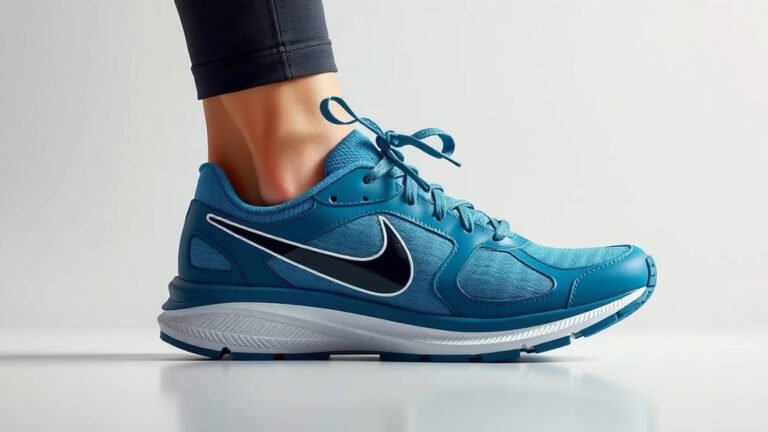
Most carbon plate running shoes can last between 300 to 500 miles. This range is a good general guideline, but your actual mileage may vary. Several factors influence how long these advanced shoes retain their pop. Keeping them in good shape is key to hitting that mileage sweet spot.
Carbon plate shoes are built for performance and speed. The carbon fiber plate provides a unique energy return. Over time, the foam midsole compresses and the plate can lose some of its responsiveness. Understanding wear patterns helps you know when it’s time for a new pair.
- Carbon plate shoes typically last 300-500 miles.
- Midsole foam compression is a major factor.
- Wear and tear can reduce energy return.
- Proper care can extend their lifespan.
- Listen to your body for signs of wear.
Let’s break down what affects your carbon plate shoe’s lifespan and how to get the most out of them.
So, you’ve invested in a pair of those fancy carbon plate running shoes. Awesome! They feel amazing on the road, giving you that extra spring in your step. But you’re probably wondering, “How long will this magic last?” You want to get your money’s worth, right?
How Long Do Carbon Plate Shoes Keep Their Performance?
Generally, you can expect your carbon plate running shoes to maintain their peak performance for about 300 to 500 miles. This isn’t a hard-and-fast rule etched in stone. Think of it more as a reliable guideline.
Your actual mileage might be a bit higher or lower. It really depends on a few key factors we’ll dive into. Getting the most out of these shoes means understanding how they work and how to treat them. It’s a bit like caring for a high-performance car; a little attention goes a long way.
What Makes Carbon Plate Shoes Wear Out?
The main culprit behind the eventual decline in performance is the midsole foam. Carbon plates are fantastic, but they rely on the foam around them to do their job effectively. Over time, this foam compresses with every single stride.
The Midsole’s Midlife Crisis: Foam Compression
Think of the foam like a really good sponge. When it’s new, it’s plump and responsive. It absorbs impact and springs back quickly. With thousands of compressions from your runs, that sponge starts to lose its loft. It gets flatter and firmer.
This compression means two things. First, the cushioning you enjoyed starts to fade. You might feel harder impacts on your legs. Second, the foam isn’t as effective at helping the carbon plate do its thing. The “pop” you felt diminishes because the foam can’t rebound as well.
The Plate’s Plateau: Losing Responsiveness
The carbon plate itself is incredibly durable. It’s not going to snap or break under normal running conditions. However, its interaction with the compressed foam changes. The plate is designed to work with a resilient foam base.
When the foam compresses, the plate’s leverage is reduced. It can’t flex and then snap back with the same force. So, while the plate might be physically intact, its ability to provide that signature propulsive feel lessens. It’s like having a powerful engine but a worn-out transmission.
Factors That Influence Your Carbon Plate Shoe Lifespan
Beyond the natural wear and tear, several other things can affect how long your shoes stay in their prime. Being aware of these can help you maximize their lifespan.
Your Running Style Matters
How you run plays a big role. If you’re a heel-striker, you might put more concentrated pressure on the heel area. This can lead to faster compression in that specific spot. Midfoot and forefoot strikers often distribute the impact more evenly across the shoe.
The way you land and push off can influence where the foam wears down the quickest. Even your gait and stride have an effect. Understanding your own biomechanics is part of the equation.
The Surfaces You Run On
Where do you typically log your miles? Running on a smooth, well-maintained road is generally easier on shoes than pounding pavement with lots of cracks and debris. Treadmills can be a bit of a mixed bag. They offer consistent impact but can sometimes cause shoes to wear differently due to the lack of varied terrain.
If you often run on rough trails or abrasive surfaces, expect your shoes to wear down faster. The constant friction and impact from uneven ground take a toll. Think of it like wearing down the soles of your everyday shoes by walking on gravel versus a smooth sidewalk.
Your Body Weight and Shoe Construction
A runner’s weight is a factor in foam compression. Heavier runners will naturally exert more force on the midsole foam with each step. This can lead to quicker compression and a shorter lifespan for the shoes.
The actual construction of the shoe also matters. Different brands use different types of foam compounds. Some are softer and more responsive but might compress faster. Others are firmer and more durable but might feel less “poppy” initially. The thickness of the foam also plays a role in how long it takes to compress significantly.
Proper Shoe Care and Maintenance
This is where you can really make a difference! How you care for your shoes between runs can extend their life. Don’t just toss them in a bag after a sweaty run. Let them air out.
Avoid extreme heat or cold. Leaving shoes in a hot car trunk or out in freezing temperatures can damage the materials. Cleaning them gently can also help. Remove dirt and debris so it doesn’t get ground into the foam or mesh.
When It’s Time for a New Pair
Your body is often the best indicator. If you start feeling aches and pains that weren’t there before, it could be your shoes. You might notice a distinct loss of energy return. That bouncy feeling might be gone.
Physical Signs to Look For
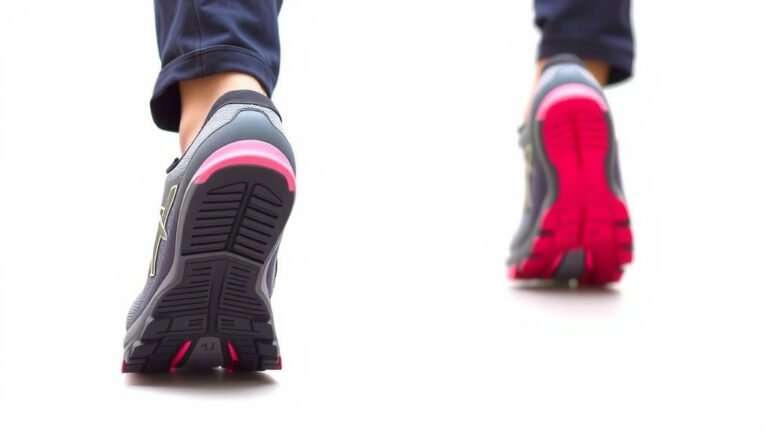
Visually inspect your shoes. Are the outsoles worn down significantly, especially in key areas like the heel or forefoot? Has the midsole foam visibly flattened out or developed deep creases? These are clear signs of wear.
Sometimes the upper might start to break down too, but the performance impact usually comes from the midsole. The foam losing its cushion is the primary performance killer.
Maximizing Your Carbon Plate Shoe Mileage: A Checklist
Want to squeeze every last mile out of your investment? Here’s a quick checklist to help you out:
- Rotate your running shoes: Don’t use the same pair for every single run. Give them a day off to recover their shape.
- Clean them gently: Wipe off dirt after runs. Avoid harsh detergents or machine washing.
- Air dry them: Always let your shoes air dry away from direct heat sources.
- Store them properly: Keep them in a cool, dry place.
- Listen to your body: Pay attention to any new discomfort or aches.
- Inspect regularly: Look for visible signs of wear on the sole and midsole.
| Shoe Type | Typical Mileage Range | Primary Wear Factor |
|---|---|---|
| Standard Daily Trainers | 400-600 miles | Midsole foam compression, outsole wear |
| Carbon Plate Performance Shoes | 300-500 miles | Midsole foam compression affecting plate responsiveness |
| Minimalist/Racing Flats | 200-400 miles | Outsole wear, minimal midsole cushioning |
Conclusion
You’ve learned that carbon plate shoes offer incredible performance for about 300 to 500 miles. Remember, this range is influenced by your running style, the surfaces you run on, and how you care for them. The magic of the carbon plate relies heavily on the midsole foam’s integrity, which naturally compresses over time. By paying attention to your body and inspecting your shoes regularly, you can accurately gauge their remaining pop. Don’t push your shoes past their prime; listen to the signs and invest in a new pair to keep enjoying your runs safely and efficiently.
Frequently Asked Questions
Can I still run in carbon plate shoes after 500 miles?
While you might technically still be able to run in them, their performance benefits will have significantly decreased. You’ll likely lose that signature responsiveness and energy return. It’s generally recommended to retire them around the 300-500 mile mark to avoid diminished performance and potential discomfort.
Does cleaning my carbon plate shoes affect their lifespan?
Gentle cleaning actually helps extend their lifespan. Removing dirt and debris prevents them from being ground into the shoe materials over time. Just be sure to air dry them away from heat sources; never put them in a washing machine or dryer.
Will running on trails wear out my carbon plate shoes faster?
Yes, running on rougher surfaces like trails or uneven pavement can accelerate wear. The constant friction and impact from varied terrain take a toll on the outsole and midsole foam more quickly than running on smoother roads or a treadmill.
Is it better to buy new carbon plate shoes or keep using my old ones?
If your shoes are approaching or have passed the 300-500 mile range, it’s generally better to buy a new pair. Continuing to use worn-out carbon plate shoes can lead to a loss of performance and increase your risk of injury due to reduced cushioning and support.
How can I tell if the carbon plate itself is damaged?
It’s very rare for the carbon plate itself to be damaged under normal running conditions. The plate is incredibly durable. The primary wear factor affecting performance is the compression of the midsole foam, which reduces how effectively the plate can flex and rebound.