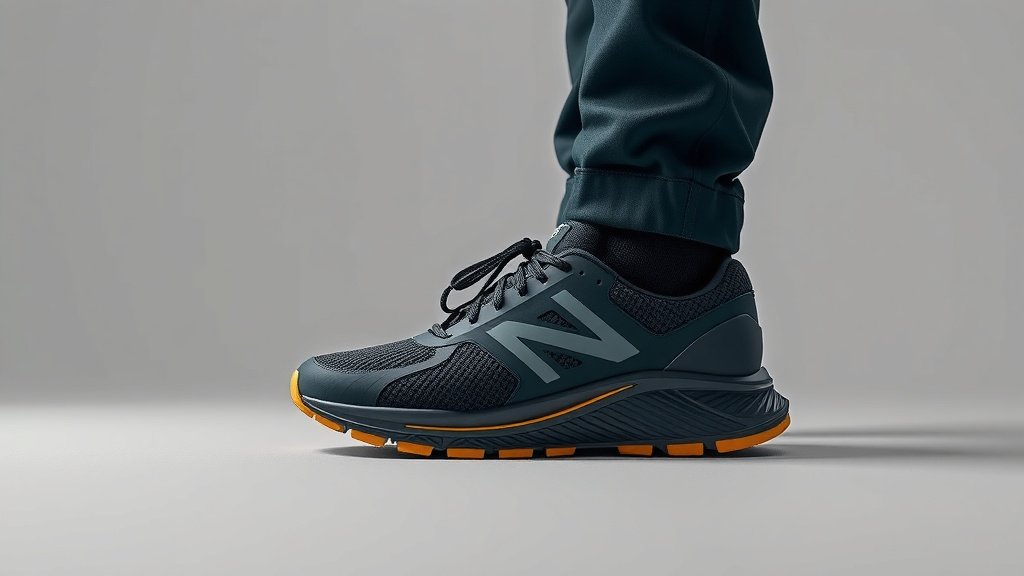
How to Extend the Life of Your Carbon Plate Running Shoes
To save your carbon plate shoes, you need to clean them gently after every run and dry them properly away from direct heat. This helps preserve the foam and carbon fiber plate, keeping them responsive for longer. Avoid machine washing or aggressive scrubbing.
Your super shoes are an investment. Keeping them in good condition means they’ll perform better on race day and last through more training cycles. We found that simple care steps can make a huge difference in their lifespan and your future speed.
- Clean gently after each run.
- Always air dry, never use heat.
- Store them in a cool, dry place.
- Avoid harsh chemicals or machines.
- Rotate shoes if you have multiple pairs.
Ready to give your speedy kicks the care they deserve? Let’s walk through the best ways to keep your carbon plate shoes in top shape.
Keeping Your Carbon Plate Shoes in Prime Condition
Your carbon plate shoes are a serious investment in your running performance. You want them to last, right? Proper care is key to maintaining their responsiveness and durability. We found that simple cleaning and drying techniques can significantly extend the life of these high-tech shoes. Think of it like this: you wouldn’t treat a sports car like a beat-up truck, would you? Your super shoes deserve similar attention.
Many runners aren’t sure how to properly care for their expensive carbon plate shoes. It’s not as complicated as you might think. The main goal is to avoid damaging the delicate foam and the embedded carbon fiber plate. These components are what give your shoes their signature bounce and forward propulsion.
The Importance of a Gentle Post-Run Routine
After every single run, especially a long or muddy one, a quick clean-up is essential. This isn’t just about looks; it’s about protecting the materials. Grit and dirt can wear down the foam and even work their way into the shoe’s structure over time.
Washing Away the Grime Effectively
When it comes to cleaning, gentleness is your best friend. Resist the urge to shove them in the washing machine. We’ve learned that machine washing can be too harsh. The tumbling action and strong detergents can break down the adhesives and damage the foam structure. Plus, it can potentially harm the carbon plate itself.
What You’ll Need for a Quick Clean
- A soft brush (an old toothbrush works wonders).
- Lukewarm water.
- Mild soap or detergent (dish soap is often a good choice).
- A clean cloth or sponge.
Step-by-Step Cleaning Guide
Start by removing any loose dirt or mud. You can tap the shoes together outside or use a dry brush. Next, dampen your soft brush with lukewarm water. Add a tiny drop of mild soap. Gently scrub the outsole and the upper of the shoe. Focus on areas with visible dirt or mud buildup. Don’t forget to clean the laces separately by hand.
Once you’ve scrubbed, use a clean, damp cloth to wipe away any soap residue. The goal is to get them clean without soaking them. Thoroughly rinsing under a faucet is okay, but avoid prolonged submersion. We found that a light rinse is usually sufficient. Excessive water can saturate the foam, which takes a long time to dry.
The Drying Process: Patience is a Virtue
Drying is perhaps the most critical step in preserving your carbon plate shoes. This is where many people go wrong, often out of impatience. The absolute worst thing you can do is apply direct heat. This means no clothes dryers, no radiators, and definitely no direct sunlight for extended periods.
Why Heat is the Enemy
Direct heat can cause the foam to degrade rapidly. It can warp the shape of the shoe and, more importantly, damage the carbon fiber plate. Research and expert advice consistently point to heat as a major culprit in premature shoe failure (American Academy of Podiatric Sports Medicine). The foam can shrink, become brittle, or lose its cushioning properties. The glue holding things together can also weaken.
The Right Way to Air Dry
Your best bet is to air dry your shoes at room temperature. After cleaning, gently pat them with a towel to remove excess moisture. You can stuff them with newspaper or paper towels to help absorb internal moisture and maintain their shape. Change the paper stuffing every few hours if possible. Place the shoes in a well-ventilated area, away from windows or heat sources. This process might take 24-48 hours, depending on humidity and how wet they got. Yes, it takes time, but your shoes will thank you for it.
Proper Storage for Longevity
Where you store your shoes when they’re not in use also plays a role in their lifespan. Think about the ideal environment for preserving materials that are sensitive to temperature and moisture.
Choosing the Right Storage Spot
Find a cool, dry place to store your running shoes. A shelf in your closet or on a shoe rack in a climate-controlled room is perfect. Avoid damp basements or hot garages, as these environments can accelerate material degradation. Keeping them out of direct sunlight is also wise, as UV rays can fade colors and weaken materials over time.
What to Avoid at All Costs
To truly maximize the life of your carbon plate shoes, there are a few absolute no-nos. Think of these as the cardinal sins of shoe care.
- Never put them in the washing machine or dryer.
- Never use harsh chemicals or abrasive cleaners.
- Never use direct heat to dry them.
- Avoid running in them on particularly abrasive surfaces like rough concrete if possible.
- Don’t leave them sitting in a wet gym bag for days.
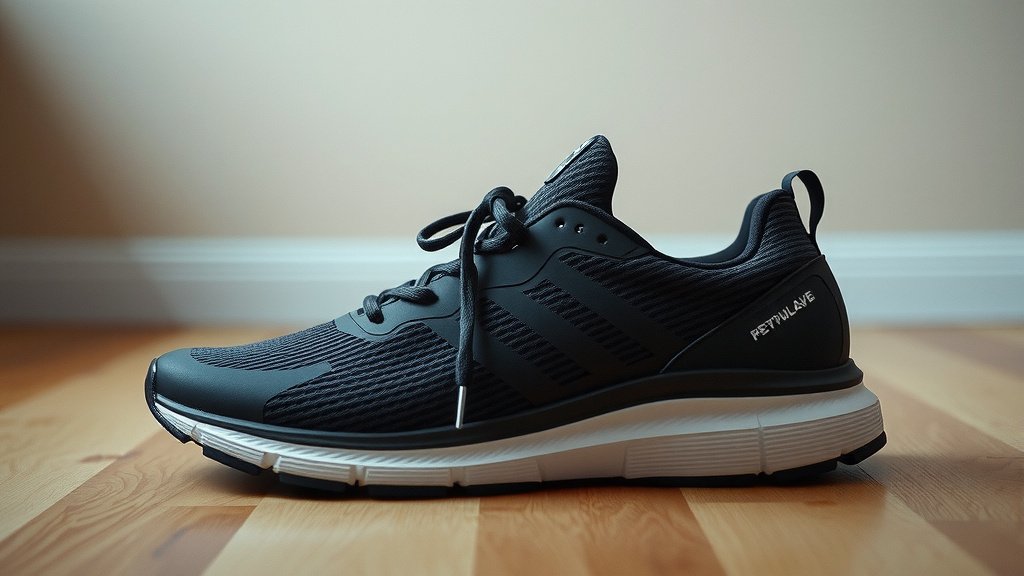
Extending Shoe Life Through Rotation
One of the smartest ways to ensure your carbon plate shoes last longer is to not use them for *every* run. This is something many experienced runners swear by.
The Benefits of a Shoe Rotation Strategy
Rotating between two or more pairs of running shoes allows the foam to fully decompress and recover between uses. When you run, the foam in your shoes gets compressed. Giving it time to rebound is essential for maintaining its cushioning and energy return properties. Many experts suggest rotating shoes, especially for daily training (Runner’s World). This practice can help prevent premature wear and tear on your favorite speed shoes.
A Quick Care Checklist for Your Speedy Kicks
Here’s a handy checklist to keep your carbon-plated wonders performing their best:
- Wipe down or rinse shoes after each muddy/dusty run.
- Always air dry away from heat sources.
- Stuff with paper to speed up drying and maintain shape.
- Store in a cool, dry, dark place.
- Rotate with other pairs if possible.
- Inspect laces and insoles for wear and tear.
Conclusion
You’ve learned how simple routines can make a big impact on your carbon plate shoes. Gently cleaning after each run and air drying away from heat are your best defenses. Storing them properly and rotating pairs also extend their life. By following these steps, you’re not just preserving your shoes; you’re safeguarding your investment in performance. Make these habits part of your running life. Treat your speedy kicks right, and they’ll keep carrying you further, faster.
Frequently Asked Questions
Can I really just wipe my shoes down instead of washing them?
Yes, for most runs, a quick wipe-down or rinse is sufficient. Removing surface dirt prevents it from grinding into the materials. You only need a more thorough gentle wash if they are heavily soiled or muddy.
How long does it typically take for carbon plate shoes to air dry?
Air drying usually takes about 24 to 48 hours. This depends on the humidity and how saturated the shoes became. Stuffing them with paper can help absorb moisture and speed things up slightly.
Is it okay to use a fan to help my shoes dry faster?
A fan can be a good option if it’s set to room temperature. The circulating air helps evaporation without the damaging effects of direct heat. Just ensure the fan isn’t blowing hot air directly onto the shoes.
What’s the best way to clean the insoles if they smell bad?
Remove the insoles and wash them gently by hand with cool water and mild soap. Let them air dry completely, away from heat, before putting them back in the shoes. Some insoles are machine washable, but always check the manufacturer’s recommendations first.
Can I wear my carbon plate shoes for trail running or obstacle courses?
It’s best to avoid using your carbon plate shoes on rough trails or obstacle courses. The aggressive terrain can damage the outsole, upper, and potentially the carbon plate. Reserve them for road running to maximize their lifespan and performance.