Understanding Supination: Causes and Effects
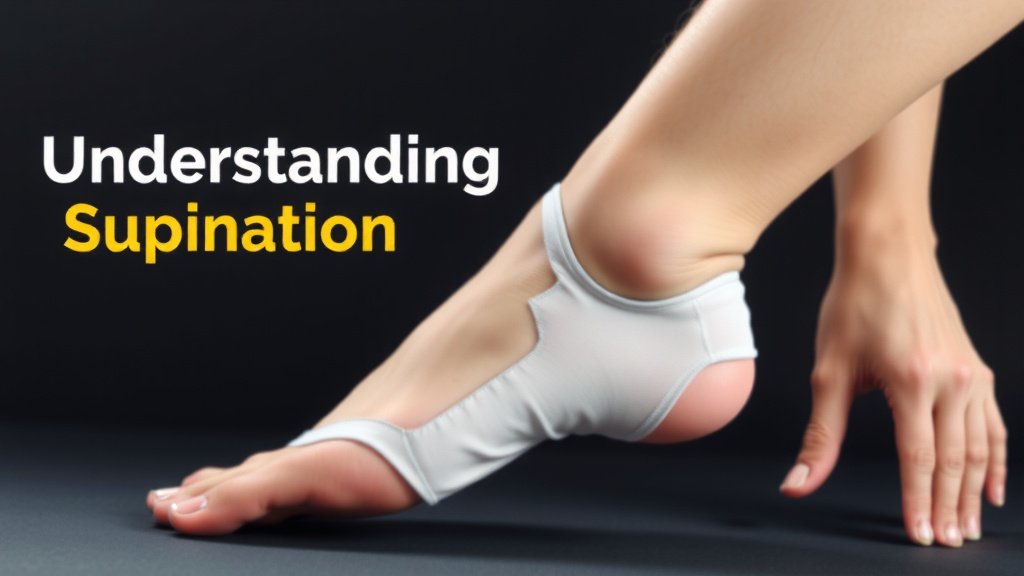
Supination is the natural outward roll of your foot as it strikes the ground. Your arch slightly lifts and absorbs shock. It’s a normal part of your gait cycle. Most people naturally supinate to some degree.
When your foot rolls outward too much, it’s often called overpronation or underpronation, which can cause pain. But a healthy level of supination is actually essential for shock absorption. It helps prevent injuries by cushioning impact when you walk or run.
- Supination is your foot rolling outward.
- It’s a natural part of walking.
- It helps absorb shock.
- Too much or too little can cause problems.
- Proper footwear can help manage it.
Let’s break down exactly what supination means for your body and how to spot it.
Understanding Your Foot’s Natural Roll
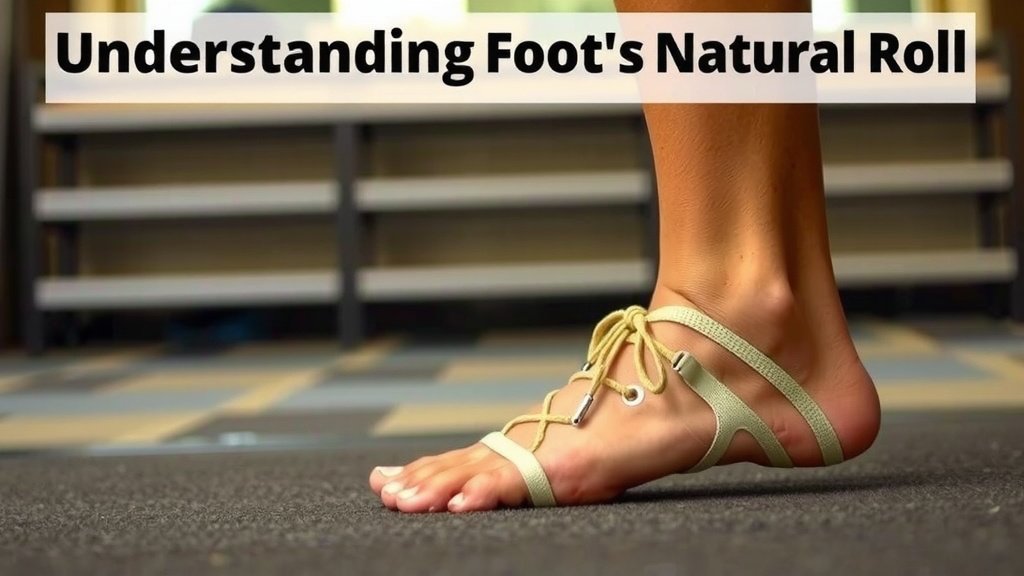
So, what does supination actually mean for your feet? It’s essentially the outward roll your foot makes when it hits the ground. Think of it as your foot’s way of naturally absorbing shock.
When you take a step, your foot does a little dance. It rolls inward slightly (pronation) and then outward (supination). This controlled movement is super important. It helps cushion the impact of each stride. Most people supinate to some degree, and it’s perfectly healthy!
The Biomechanics of Supination
Imagine your foot as a spring. When it lands, the arch flattens just a bit, storing energy. Then, as you push off, your foot rolls outward, and the arch lifts. This outward roll is supination. It helps distribute your weight evenly across your foot.
This natural motion is a key part of your gait cycle. It’s how your body handles the forces of walking and running. A healthy supination pattern ensures your joints, muscles, and bones are protected.
Supination vs. Pronation
It’s easy to get supination and pronation mixed up. Pronation is the opposite motion: an inward roll of your foot. It’s also a natural part of walking.
Ideally, your foot has a balanced roll. It pronates slightly upon landing and then supinates as you push off. Problems can arise when either of these movements is excessive. Too much inward rolling is often called overpronation. Too much outward rolling is known as underpronation or often, simply, a high-arched foot.
Identifying Supination: What to Look For
How can you tell if your feet supinate normally, or perhaps excessively? You might notice certain signs. The most common indicator is your shoe wear pattern.
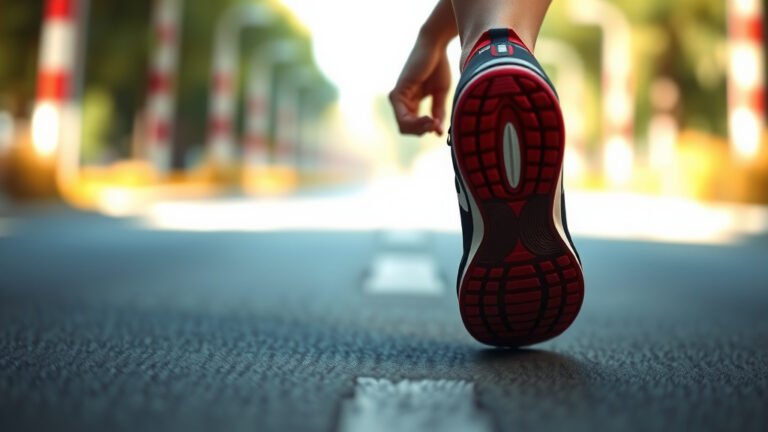
Take a look at the soles of your favorite walking or running shoes. If the outside edge of the sole is significantly more worn down than the rest of the shoe, it’s a strong sign of supination. This means your foot is rolling outward more than it should. A good indicator of supination is your shoe wear pattern.
Shoe Wear Patterns: Your Foot’s Footprint
Think of your shoe as a map of your foot’s journey. When you supinate a lot, the outer sole takes the brunt of the impact. You’ll see excessive wear along the lateral side of the heel and the forefoot.
Conversely, if you overpronate, you’ll see more wear on the inside edge of your shoe. Normal wear patterns are usually more evenly distributed across the heel and ball of the foot. So, give those old shoes a little inspection!
Your Foot Arch: A Clue to Supination
The shape of your foot arch can also give you clues. People who tend to supinate often have higher arches. When you stand, there’s a noticeable gap between your arch and the floor.
To check your arch, try the “wet test.” Wet your feet and step onto a dark piece of paper or a dry concrete surface. If you see a footprint with a very thin connection between your heel and the ball of your foot, or no connection at all, you likely have a high arch, which can be associated with supination (NCBI).
When Supination Becomes an Issue
While a normal level of supination is healthy, too much can lead to problems. This is often referred to as underpronation. Your foot’s natural shock absorption system isn’t working as efficiently as it should.
This can put extra stress on your lower legs, ankles, and feet. It’s like walking on a stiff board instead of a flexible one. That lack of cushioning can make you more prone to certain injuries.
Common Issues Linked to Excessive Supination
What kind of problems might you face? You might experience pain along the outside of your foot. This can include your ankle, shin, and even your hip.
Specific conditions can arise. These include:
- Ankle sprains, especially rolling your ankle outward.
- Stress fractures, often in the fibula (the smaller bone in your lower leg).
- Plantar fasciitis, which is heel pain.
- Shin splints, particularly on the outer side of your shin.
The Role of Footwear
The shoes you wear play a huge role. If you supinate excessively, you need footwear that helps counteract it. Stiff, unsupportive shoes can worsen the problem.
Look for shoes with good cushioning. They should also offer flexibility. This helps your foot absorb impact more effectively. Shoes with a wider base can also provide more stability. You want something that encourages a more even distribution of pressure.
When to Seek Professional Advice
If you’re experiencing consistent pain or discomfort, it’s always a good idea to consult a healthcare professional. A podiatrist or physical therapist can properly assess your gait.
They can identify if supination is contributing to your issues. They can also recommend specific exercises, stretches, or orthotic solutions. Sometimes, a simple change in footwear is all you need. Other times, a more tailored approach is best (Cleveland Clinic).
Managing and Supporting Your Supinating Feet
The good news is that you can often manage supination effectively. It’s about finding the right balance for your feet. This involves conscious choices about your activities and gear.
Simple adjustments can make a big difference. It’s not about forcing your foot into an unnatural position. It’s about supporting its natural mechanics and providing what it needs.
Choosing the Right Shoes is Key
We’ve touched on this, but it’s worth repeating. Your footwear is your first line of defense. For those who supinate, you’re looking for shoes that offer:
- Excellent cushioning: This is critical for shock absorption.
- Flexibility: Your foot needs to move naturally.
- Arch support: Especially if you have high arches.
- Neutral support: Avoid motion control shoes, which might be too rigid.
Many athletic shoe brands offer shoes designed for neutral runners or those with higher arches. These are often a great starting point.
Strengthening and Stretching Exercises
Certain exercises can help improve the strength and flexibility of your feet and lower legs. Stronger muscles can provide better support and control. Increased flexibility can help with shock absorption.
Consider incorporating these into your routine:
- Calf raises: Strengthens your calf muscles.
- Toe curls: Helps build the muscles in the arch.
- Ankle circles: Improves ankle mobility.
- Arch lifts: A simple exercise done while sitting or standing.
Stretching your calf muscles and the muscles on the front of your shin can also be beneficial. This can help alleviate tightness.
Custom Orthotics: A Potential Solution
In some cases, custom orthotics might be recommended. These are shoe inserts designed specifically for your feet. They can help provide extra cushioning and support. In some cases, custom orthotics might be recommended to help manage supination.
An orthotic can help redistribute pressure more evenly. It can also help control excessive outward rolling. A podiatrist can assess if orthotics are the right option for you.
Here’s a quick checklist to keep in mind:
- Inspect your shoe wear patterns regularly.
- Notice any persistent pain in your feet or ankles.
- Consider your foot arch type (high, normal, flat).
- Choose shoes with good cushioning and flexibility.
- Incorporate foot and ankle strengthening exercises.
- Don’t hesitate to seek professional advice if needed.
Conclusion
Understanding supination is key to keeping your feet happy and healthy. It’s your body’s natural way of cushioning each step, but when it’s out of balance, it can lead to discomfort or injury. You’ve learned how to spot the signs, like unusual shoe wear, and understand when it might be time to adjust your footwear or routine. Listening to your body and making informed choices about your shoes and exercises are your best bet. If you’re experiencing persistent pain, reaching out to a professional can provide personalized guidance. Take these steps to support your feet’s natural movement and enjoy pain-free strides!
Frequently Asked Questions
What is the main difference between supination and pronation?
Supination is your foot rolling outward, while pronation is the opposite – your foot rolling inward. Both are natural parts of walking, but excessive movement in either direction can cause issues. Think of it as your foot’s natural shock absorption system.
How can I tell if I supinate too much?
A good indicator is the wear pattern on your shoes. If the outside edge of your soles is heavily worn down, especially on the heel and forefoot, it suggests you might be supinating excessively. You might also notice frequent ankle rolls.
Can supination cause foot pain?
Yes, excessive supination, often called underpronation, can lead to pain. Because your foot doesn’t absorb shock as effectively, it can put extra stress on the outside of your foot, ankle, shin, and even your hip. You might feel discomfort along the outer edges of your feet.
What type of shoes are best for supination?
If you supinate, look for shoes with excellent cushioning to help with shock absorption. Flexibility is also important, allowing your foot to move naturally. Shoes with good arch support, especially if you have high arches, are often recommended. Avoid overly rigid or motion-control shoes.
Are there any exercises that can help with supination?
Yes, strengthening and stretching exercises can help. Calf raises, toe curls, and arch lifts can build supporting muscles in your feet and lower legs. Stretching your calf muscles can also improve flexibility and shock absorption. Consistency is key to seeing improvements.