Understanding Underpronation: What It Is and How to Manage It
Underpronation, also known as supination, is when your foot doesn’t roll inward enough during your stride. This means your weight stays on the outer edges of your feet. It’s also sometimes called a “rigid foot”. You might notice your shoes wear down on the outside edge.
This gait pattern can affect how your body absorbs shock. It’s common in people with high arches, which are less flexible. If left unaddressed, it can lead to discomfort or pain in your feet, ankles, and even knees. We often see this when people try to analyze their running form.
- Underpronation means your foot doesn’t roll inward enough.
- Your weight rests more on the outside of your foot.
- It’s often linked to high arches.
- This can affect shock absorption and cause pain.
Let’s dig into what exactly causes underpronation and what you can do about it.
Understanding How Your Feet Move
So, you’ve learned that underpronation means your foot doesn’t roll inward enough when you walk or run. This causes your weight to stay on the outer edges of your foot. Think of it like a car tire wearing down on the outside edge – it tells a story about how it’s being used. Your feet have a natural way of absorbing shock as you move. This rolling motion, called pronation, helps distribute your weight evenly.
What Happens When You Underpronate?
When you underpronate, this shock absorption isn’t happening as it should. Your outer foot takes on more pressure than it’s designed for. This can be like trying to balance a tall stack of books on just one corner. It’s not stable and things can start to wobble. Many people who underpronate also have high arches. These arches are less flexible. They can’t flatten out enough to absorb shock well.
Signs You Might Be an Underpronator
One of the biggest clues is in your shoes. Look at the soles of your worn-out shoes. Do you see excessive wear on the outer edge of the sole? This is a strong indicator. You might also feel pain or discomfort in your feet, ankles, or knees. Sometimes, this discomfort happens after activities like running or even just standing for long periods. You might also notice your feet feeling quite stiff.
The Biomechanics of Underpronation
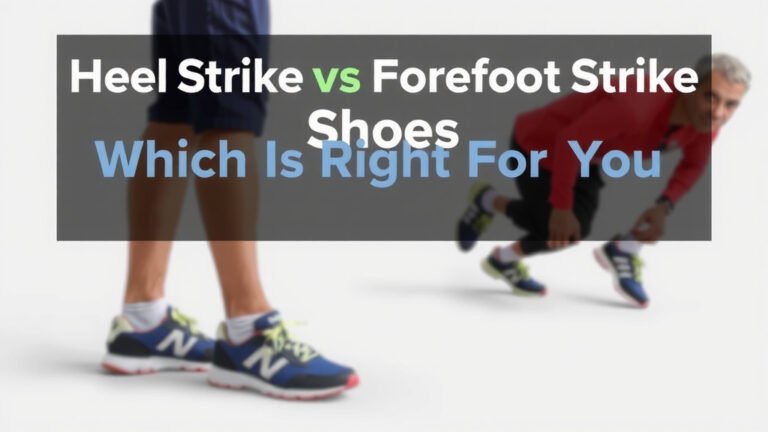
Your gait cycle has several phases. Underpronation primarily affects the ‘midstance’ and ‘terminal stance’ phases. Normally, your foot rolls inward (pronates) to help with shock absorption. Then, it rolls outward slightly (supinates) to push off. In underpronation, the inward roll is minimal. The foot remains more rigid. This means the heel strike and push-off phases don’t benefit from the foot’s natural flexibility. Understanding your foot strike can help you choose shoes that better support your natural movement.
Why Does Underpronation Happen?
There isn’t one single reason why someone underpronates. It’s often a combination of factors. Understanding these can help you find solutions.
Foot Structure and Arch Height
As we mentioned, high arches are strongly linked to underpronation. The higher your arch, the less it tends to flatten. This lack of flattening means less shock absorption. Research shows that people with rigid, high arches often exhibit underpronating (supinating) foot strike patterns (NCBI). Think of a very stiff spring versus a more flexible one. The stiff spring won’t compress as much.
Genetics and Foot Shape
Sometimes, the way your foot is shaped is simply inherited. Your foot’s bone structure can predispose you to certain movement patterns. If your family members tend to have high arches or stiff feet, you might too. This isn’t something you can change, but understanding it helps. It’s like having a certain hand shape – you just have it.
Muscle Weakness or Imbalance
The muscles in your feet and lower legs play a vital role in controlling foot movement. If certain muscles are weak, they can’t help the foot pronate properly. For example, weak ankle muscles might not be able to guide the foot through its natural rolling motion. Conversely, overly tight muscles, particularly the calf muscles, can also restrict movement and lead to a more rigid foot.
Footwear Choices
The shoes you wear can make a difference. Shoes that are too stiff or don’t offer enough flexibility can exacerbate underpronation. Conversely, shoes that are too soft and offer no support might not help either. Finding the right balance is key. We found that wearing the wrong type of shoe consistently can impact your gait over time.
Common Issues Linked to Underpronation
When your body can’t absorb shock effectively, other parts have to compensate. This is where problems can start to pop up. Underpronation can put extra stress on your joints.
Ankle and Foot Pain
Your feet are the foundation of your body. When they aren’t moving efficiently, the structures within them can become strained. Pain on the outside of your foot, near the ankle, is common. You might also experience plantar fasciitis. This is pain in the heel or arch of your foot.
Shin Splints
These are the aches and pains you feel along the shin bone. They often happen from repetitive stress. Underpronation can contribute because the muscles and bones in your lower leg are working harder to stabilize. The impact from each step isn’t being absorbed as well by your foot.
Knee and Hip Problems
The effects can travel up your body. Your knees and hips are designed to absorb shock too. When your feet aren’t doing their job, your knees might twist inward more. This can lead to conditions like runner’s knee or hip pain. We found that biomechanical issues in the feet often influence the knees and hips (Cleveland Clinic).
Stress Fractures
In more severe cases, the constant jarring and lack of shock absorption can lead to tiny cracks in the bones. These are stress fractures. They most commonly occur in the weight-bearing bones of the lower leg and feet. This is why proper support and gait analysis are important.
What Can You Do About Underpronation?
The good news is that you can often manage or improve underpronation. It usually involves a combination of strategies. Taking a proactive approach can help you stay comfortable.
Choosing the Right Footwear
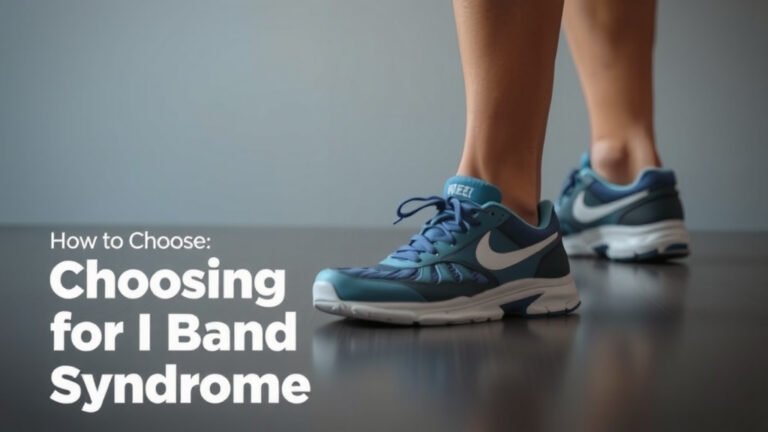
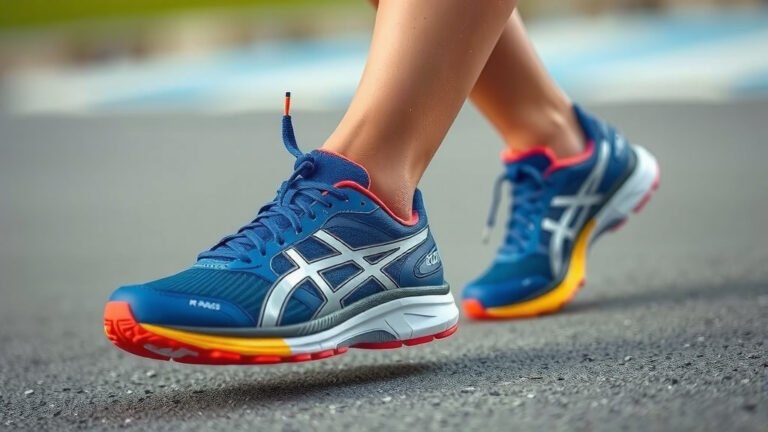
This is a big one. You want shoes that offer good cushioning and flexibility. Look for shoes that allow your foot to move naturally. Avoid shoes that are overly rigid or have a very narrow base. If you’re active, consider shoes designed for neutral pronation or those with ample cushioning. Some brands even offer specific shoes for supinators. Consulting with a shoe specialist at a running store can be very helpful.
Insoles and Orthotics
Custom or over-the-counter insoles can make a big difference. They can provide extra cushioning and support where you need it. Some insoles are designed to help distribute pressure more evenly across your foot. They can help soften the impact of each step. You might want to try a cushioned insole first and see how that feels. Consider supportive insoles for extra comfort and to help distribute pressure.
Stretching and Strengthening Exercises
Targeted exercises can help improve foot flexibility and muscle strength. This can aid in better shock absorption. Focus on calf stretches to improve flexibility. For strengthening, try exercises like toe curls and heel raises. You can also work on balance exercises. Stronger, more flexible feet can better handle the demands of walking and running.
Sample Exercises to Try:
- Calf stretches: Stand with one leg back, heel down, and lean forward.
- Toe curls: Sit and use your toes to grab a small towel or marble.
- Heel raises: Stand and lift up onto the balls of your feet.
- Foot rolls: Roll a tennis ball or frozen water bottle under your arch.
- Balance: Stand on one foot for 30 seconds, then switch.
Gait Analysis and Professional Help
If you’re experiencing pain or have concerns, seeking professional advice is wise. A podiatrist or physical therapist can perform a gait analysis. They can assess your foot mechanics. They can then recommend specific treatments or exercises. Sometimes, they might suggest custom orthotics tailored just for you. Professional guidance ensures you’re addressing the issue correctly.
Simple Steps for Daily Comfort: A Checklist
- Check your shoe wear patterns for outer edge wear.
- Wear well-cushioned, flexible shoes.
- Consider supportive insoles for extra comfort.
- Incorporate daily foot and calf stretching.
- Strengthen foot and ankle muscles with simple exercises.
- If pain persists, consult a foot specialist.
Conclusion
Understanding underpronation is the first step toward better foot health. You’ve learned that it’s a gait pattern where your foot doesn’t roll inward enough, leading to more pressure on the outer edges. This can impact shock absorption and cause discomfort. The good news is that by choosing the right footwear, using supportive insoles, and incorporating simple exercises, you can help manage underpronation. If you’re experiencing persistent pain, seeking professional advice from a podiatrist or physical therapist is your best next step to ensure you’re on the right path to comfort and better movement.
Frequently Asked Questions
Can underpronation be completely fixed?
Underpronation itself refers to a natural foot movement pattern. While you can’t “fix” your foot’s structure, you can certainly improve how your foot functions and absorb shock. The goal is often to enhance flexibility and muscle support to mitigate any associated pain or issues.
Is it bad to underpronate?
Underpronation isn’t inherently “bad,” but it can lead to problems if your body can’t compensate effectively. The reduced shock absorption can put extra stress on your joints, leading to pain. Managing it involves adapting your footwear and strengthening exercises.
How do I know if my shoes are causing my underpronation issues?
Look for signs of wear on the outer edge of your shoe soles. If your shoes are also overly stiff, lack cushioning, or feel like they’re not supporting your arch properly, they might be contributing to discomfort related to underpronation.
Can I still run if I underpronate?
Yes, many people with underpronation run successfully. The key is to wear appropriate running shoes that offer good cushioning and support. Incorporating specific stretches and strengthening exercises can also help prepare your feet and body for the impact of running.
How long does it take to see improvement with exercises for underpronation?
Consistency is more important than speed. You might start to feel more comfortable within a few weeks of regular stretching and strengthening. Significant changes in foot mechanics and strength can take a few months of diligent practice.