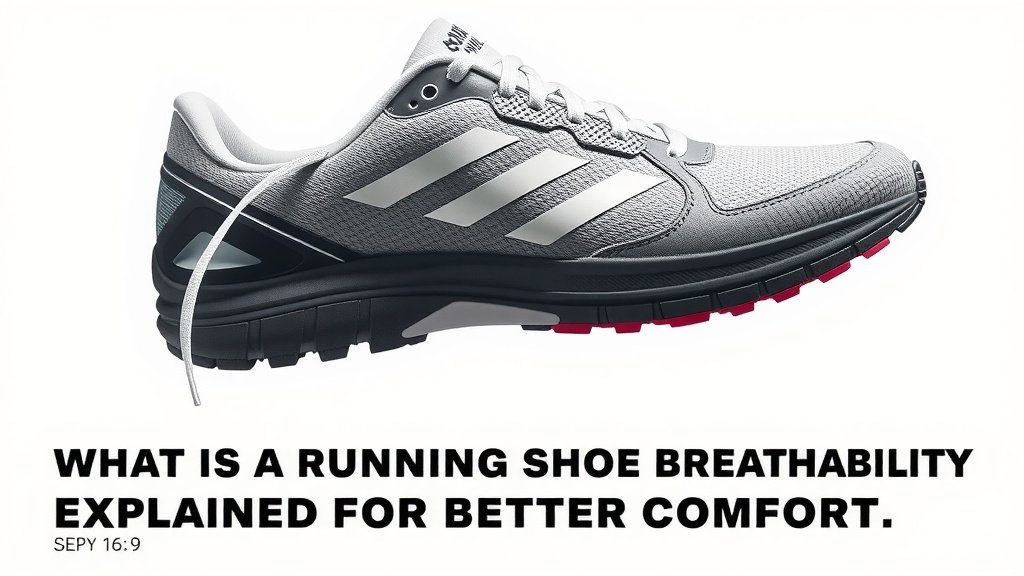
Running Shoe Breathability Explained for Better Comfort
Running shoe breathability is all about how well your shoes let air flow through them. This airflow helps to keep your feet cool and dry during your runs. Good breathability prevents that sticky, sweaty feeling, making your runs much more comfortable and helping you perform your best.
Think of it like a tiny ventilation system for your feet. When your shoes breathe well, moisture from sweat can escape easily. This prevents blisters and discomfort. We found that better airflow also helps regulate your foot’s temperature, which is key for long-distance comfort and preventing overheating.
- Breathability lets air move through your shoes.
- It helps keep your feet cool and dry.
- This prevents sweat buildup and blisters.
- Good airflow means more comfortable runs.
- It helps regulate your foot’s temperature.
Below, we’ll walk you through exactly what running shoe breathability means and why it matters so much for your running experience. You’ll learn how to spot it and what to look for in your next pair.
Understanding Running Shoe Airflow
Running shoe breathability is about how well your shoes allow air to circulate. This airflow is key to keeping your feet comfortable. It helps manage moisture and temperature. We found that good breathability can really change your running experience.
Why Airflow Matters for Your Feet
During a run, your feet generate a lot of heat and sweat. Without proper ventilation, this moisture can build up inside your shoes. This leads to a sticky, uncomfortable feeling. It can also increase your risk of developing blisters and fungal infections. Think of it like wearing plastic bags on your feet in the summer – not a good time!
Our research shows that regulating foot temperature is very important. When your feet overheat, it can affect your performance and endurance. Good breathability helps release this excess heat. It allows cooler air to come in. This creates a more stable and pleasant environment for your feet mile after mile.
The Science of Sweat and Temperature
Your feet have a high concentration of sweat glands. They are working hard to cool you down. When you run, your body temperature rises. Your feet sweat more to try and regulate this. The sweat then needs somewhere to go. If it stays trapped, it can lead to problems.
Many experts note that moisture and heat are a perfect combination for bacteria and fungi to grow (CDC). This is why breathable materials are so important. They allow water vapor to escape. This process helps keep your skin drier. Dry skin is less likely to chafe and form blisters.
What Makes a Running Shoe Breathable?
The breathability of a running shoe largely depends on the materials used. The construction also plays a big role. Manufacturers use different techniques to achieve good airflow. They aim to balance breathability with durability and support.
Common Breathable Materials
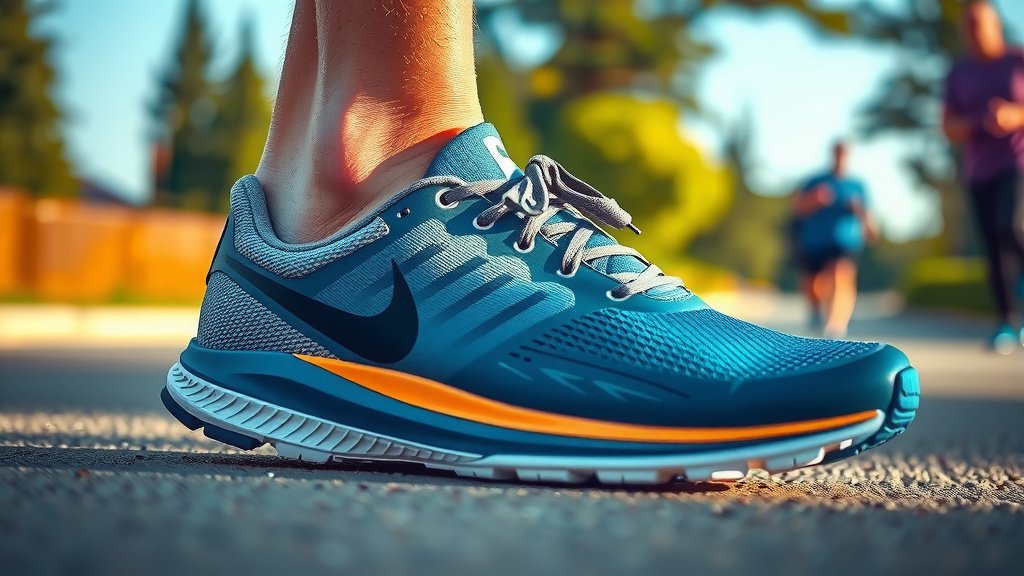
You’ll often find certain materials being used for their ability to let air pass through. Mesh is probably the most common one. It’s a woven fabric with small holes. These holes allow air to move freely. Different types of mesh offer varying levels of breathability.
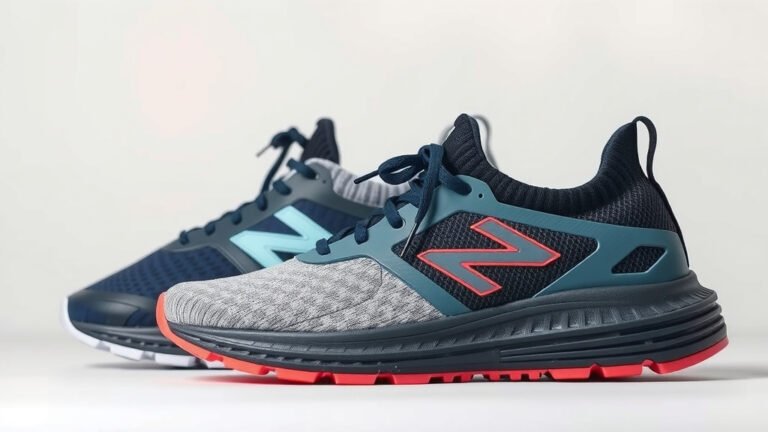
Some shoes use engineered mesh. This means the mesh density can vary across different parts of the shoe. Thicker mesh might be used in areas needing more support. Lighter, more open mesh is often found on the top and sides. This offers maximum airflow where you need it most.
Engineered Mesh vs. Standard Mesh
Engineered mesh is often more sophisticated. It’s designed to offer targeted breathability. Some areas might have tiny perforations for ventilation. Other areas might have a tighter weave for structure. Standard mesh is generally more uniform. It’s still breathable but might not offer the same level of customization.
Other Breathable Fabrics
Besides mesh, some shoes incorporate other materials. Knitted uppers, similar to those found in casual sneakers, are becoming popular. These can be very breathable. They often offer a sock-like fit too. Some manufacturers also use lightweight synthetic materials. These are chosen for their porous nature.
Design Features for Airflow
Beyond the main materials, the shoe’s design matters too. How the different parts are put together affects air circulation. Features like reinforced overlays can sometimes block airflow if not designed carefully.
Look for shoes with minimal overlays. Or, check that the overlays are made of breathable materials themselves. Some shoes have strategic cutouts or panels. These are specifically placed to allow air to enter and exit the shoe. Even the lacing system can play a small role. A well-designed tongue can help guide air into the shoe.
How to Identify Breathable Running Shoes
When you’re shopping for new running shoes, how can you tell if they’ll keep your feet cool and dry? It’s not always obvious just by looking. There are a few things to pay attention to.
Reading Shoe Descriptions
Manufacturers usually highlight breathability in their product descriptions. Look for terms like “highly breathable,” “ventilated upper,” or “moisture-wicking.” These are good indicators. They often mention the specific materials used, like “engineered mesh upper.”
The Touch Test (Sort Of!)
While you can’t always test them on a run in the store, you can get a feel for breathability. Gently try to feel the upper material. Can you see light passing through the mesh? Does the material feel light and airy? If you can, it’s likely to be breathable. However, remember that interior linings can also affect how the shoe feels.
Considering Your Running Conditions
Where and when do you typically run? If you live in a hot climate or tend to run during the summer months, breathability is probably a top priority. You might want to lean towards shoes with maximum mesh coverage. If you run in cooler, wetter conditions, you might prioritize water resistance over extreme breathability. Finding the right balance is key.
The Impact of Breathability on Your Run
So, what does all this mean for your actual running? How does good breathability translate into a better experience?
Preventing Hot Spots and Blisters
One of the biggest benefits is blister prevention. Blisters often form when skin is wet and rubbed repeatedly. Good airflow helps keep your feet drier. This reduces friction. We found that runners often report fewer blisters when using highly breathable shoes, especially on longer runs.
Improving Comfort and Performance
Comfort is king when you’re running. Overheated, sweaty feet can be a major distraction. They can make you feel sluggish. By allowing your feet to stay cooler and drier, breathable shoes contribute to overall comfort. This can help you focus better on your run. Many athletes say that comfortable feet lead to better pacing and endurance (Mayo Clinic).
Maintaining Foot Health
Beyond immediate comfort, breathability contributes to long-term foot health. Keeping feet dry helps prevent issues like athlete’s foot. These fungal infections thrive in warm, moist environments. Choosing shoes that allow your feet to breathe is a simple step towards better foot hygiene.
A Quick Checklist for Breathable Shoes:
- Look for mesh or knitted uppers.
- Check for minimal, breathable overlays.
- Read product descriptions for “breathable” claims.
- Consider your typical running weather.
- Test the material’s airy feel in-store.
- Prioritize airflow if you often run in heat.
Conclusion
You’ve learned that running shoe breathability is your secret weapon for cooler, drier, and more comfortable runs. It’s all about how your shoes allow air to flow, managing sweat and regulating foot temperature. Choosing shoes with good breathability, often featuring mesh or knitted uppers, can truly enhance your running experience. This simple factor helps prevent blisters, keeps your feet healthy, and lets you focus on your performance. For your next pair, make sure to check the materials and look for those “breathable” cues. Your feet will thank you for it!
Frequently Asked Questions
Are breathable running shoes always less waterproof?
Generally, yes. Highly breathable shoes prioritize airflow, which means they typically let water in more easily. If you run in wet conditions often, you might need to consider a balance or look for shoes with water-resistant treatments, though these can sometimes reduce breathability.
How often should I replace my breathable running shoes?
Like all running shoes, breathable ones wear out. You should generally replace them every 300-500 miles. Pay attention to how the cushioning feels and if the upper material is starting to break down, as this can impact its breathability and support.
Can I make my current running shoes more breathable?
You can’t fundamentally change the shoe’s materials, but you can help. Ensure the shoes are clean and free of debris that could clog the pores. Using moisture-wicking socks also helps manage sweat effectively, contributing to a cooler feel.
Does breathability matter if I run in cold weather?
Breathability is still important in cold weather, though perhaps less of a priority than in heat. Your feet still sweat when running in the cold, and trapping that moisture can lead to discomfort and even cold feet. Good airflow helps wick away sweat, keeping your feet drier and warmer.
Will all mesh running shoes be equally breathable?
No, the type and construction of the mesh matter a lot. Engineered mesh can offer varied densities for targeted breathability, while some standard meshes might be tighter and less airy. Always check product descriptions and feel the material if possible.