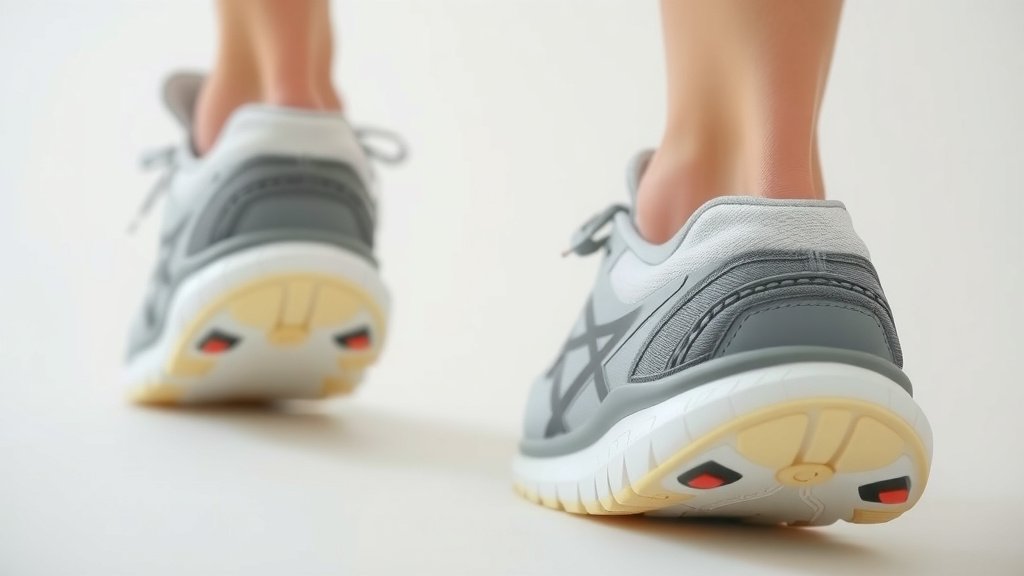
Running Shoe Lugs: What They Are & Why They Matter
Running shoe lugs are the small rubber or plastic nubs on the outsole of your sneakers. They are designed to provide better grip and traction on various surfaces. Think of them as the tiny teeth on your shoes.
These little grips are super important for performance. They help you push off the ground effectively. They also prevent slips and falls, especially when you’re running on trails or wet pavement. Good lugs mean safer, more efficient runs.
- Lugs are the grippy nubs on running shoe bottoms.
- They boost traction and grip.
- They help prevent slips.
- Different lug patterns suit different terrains. Aggressive lug patterns are crucial for grip on slippery surfaces like snow.
Now, let’s dive deeper into what makes these little nubs so effective. We’ll look at the different types and how they can help your run.
Understanding Your Running Shoe’s Grip: Lugs Explained
Running shoe lugs are the little rubber or plastic bumps on the bottom of your shoes. They are designed to give you better traction. Think of them like the tread on your car tires. The main job of lugs is to help your feet grip the ground. This helps you run safely and efficiently.
What Exactly Are Lugs and Why Do They Matter?
Lugs are the parts of your shoe’s outsole that stick out. They create space between your shoe and the surface you’re running on. This space allows them to dig in a bit. This digging action provides the grip you need. Without them, your shoes might be too smooth. That could lead to slipping.
The design of these lugs is not accidental. Manufacturers spend a lot of time researching. They want to make sure lugs perform well. Different lug patterns and depths are used. This depends on the type of running the shoe is intended for. You’ll see them on the bottom of your running shoes.
The Science Behind the Grip: How Lugs Work
When you run, your feet push off the ground. This push-off needs a good connection. Lugs help create that connection. They dig into softer surfaces. On harder surfaces, they provide friction. This friction stops your feet from sliding.
Imagine trying to push off a slippery floor. It’s hard to get moving, right? Lugs prevent this. They act like tiny anchors. They help you transfer energy more effectively. This means your stride feels more powerful. You can run faster and with more confidence.
Research shows that outsole design is key. It directly impacts a shoe’s ability to perform. The lugs are a major part of that design. They are carefully shaped and spaced. This is to give you the best possible grip.
Different Types of Lugs for Different Terrains
Not all lugs are created equal. Their size, shape, and spacing change. This is based on where you’ll be running. A road running shoe will have different lugs than a trail running shoe.
Road Running Lugs
Road running shoes usually have smaller, flatter lugs. They might even be part of a more continuous pattern. The goal here is to provide a smooth ride. They need good contact with hard surfaces like pavement. Too much grip on a road can feel sticky. It can slow you down. These lugs focus on durability and even wear.
Trail Running Lugs
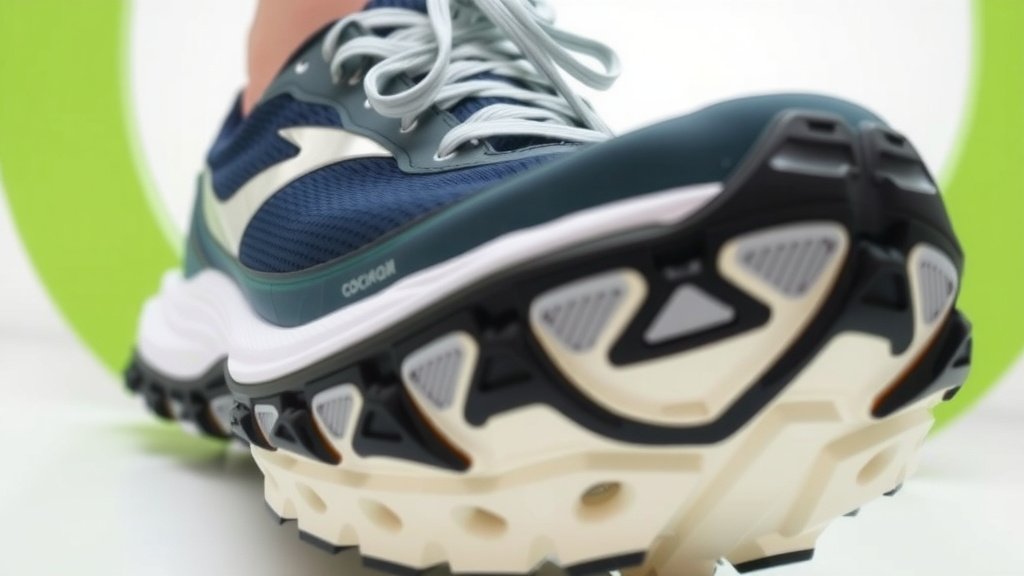
Trail running shoes have larger, deeper lugs. They are spaced further apart. Think of them like cleats on a soccer shoe. This aggressive pattern is for soft ground. It allows mud and debris to escape. This prevents the shoe from getting clogged up. Deeper lugs dig into dirt, rocks, and roots. They give you much-needed stability. Trail running shoes have larger, deeper lugs spaced further apart for better grip on soft ground.
Hybrid and All-Terrain Lugs
Some shoes aim for versatility. They might have a lug pattern that is somewhere in between. These are for runners who encounter mixed surfaces. You might run on trails one day and roads the next. These lugs try to balance grip and comfort. They might be moderately sized. The spacing is also a compromise.
Lug Depth and Spacing: What’s the Difference?
The depth of a lug refers to how far it sticks out from the shoe’s base. Deeper lugs offer more aggressive grip. They are best for soft, uneven terrain. Shallower lugs provide less aggressive grip. They are better for hard, predictable surfaces.
Spacing is how far apart the lugs are. Wider spacing allows for better mud and debris release. This is vital for trail running. Narrower spacing can provide more surface contact. This is often seen on road shoes for better feel.
The Material of Your Lugs Matters Too!
Lugs are typically made from rubber compounds. Different types of rubber offer different benefits. Some are harder and more durable. They resist wear well on rough surfaces. Others are softer and stickier. This provides excellent grip on smooth surfaces.
Manufacturers select specific rubber blends. They do this to match the shoe’s intended use. A trail shoe might use a tougher rubber. A road shoe might use one that offers more cushioning and grip.
When to Pay Attention to Lugs
You should consider your lugs when buying new shoes. What kind of running do you do most often? If you’re a trail runner, look for aggressive lugs. If you stick to roads, prioritize flatter patterns.
Also, pay attention to wear. Over time, lugs can wear down. This reduces their effectiveness. If your shoes feel less grippy, it might be time for a new pair.
Quick Checklist for Assessing Your Shoe’s Lugs:
- Depth: Are they deep and widely spaced for trails, or flatter for roads?
- Shape: Do the lugs look aggressive or smooth?
- Material: Does the rubber seem hard and durable, or softer and stickier?
- Wear Pattern: Are they worn down unevenly, indicating your gait or shoe choice might need adjustment?
- Terrain Match: Do the lugs suit the surfaces you run on most?
- Mud Shedding: For trail shoes, can mud easily fall out from between the lugs?
Conclusion
You’ve learned that running shoe lugs are more than just fancy patterns on your soles. They are engineered nubs designed to give you dependable traction. Whether you’re hitting the pavement or tackling rugged trails, the right lugs ensure a safer and more efficient run. Always consider your typical running surface when choosing your next pair. Pay attention to lug depth, spacing, and material. This simple step can make a big difference in your comfort and performance. So, next time you lace up, give those lugs a second look!
Frequently Asked Questions
Can I use trail running shoes on the road?
While you can, it’s generally not ideal. Trail shoes have deep, widely spaced lugs designed for soft ground. On pavement, these can wear down quickly. They might also feel less comfortable and create more noise. Road shoes offer a smoother, more durable experience for pavement running.
How do I know if my shoe lugs are too worn out?
You’ll likely notice a decrease in grip. If you find yourself slipping more, especially on wet surfaces or during quick turns, your lugs might be worn. Visually, the lugs will appear flatter and smoother, losing their defined edges and height.
Does lug shape matter as much as depth?
Yes, lug shape plays a role in performance. Aggressive, sharp-edged lugs provide excellent grip on loose terrain. Smoother, more rounded lugs offer better surface contact on hard, consistent surfaces. The shape helps the lug function as intended for its specific environment.
Are there running shoes with no visible lugs?
Yes, some road running shoes have very minimal lug designs. They often feature a more continuous rubber outsole or very shallow, flat patterns. This design maximizes surface area contact for a smooth feel and even wear on pavement. They still provide grip through friction, not aggressive digging.
Can lug design affect running shoe weight?
Absolutely. Deeper, larger, and more numerous lugs require more rubber material. This naturally adds weight to the shoe. Trail running shoes, with their aggressive lugs, are often a bit heavier than sleek road racing flats that prioritize lightness.