How to Choose Your Perfect Marathon Racing Shoe
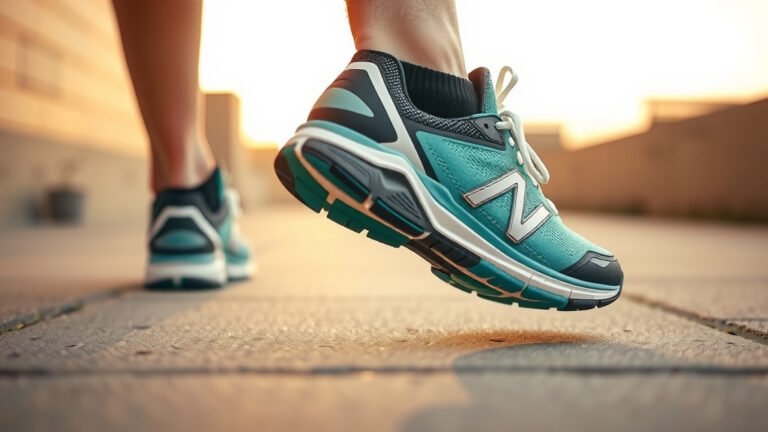
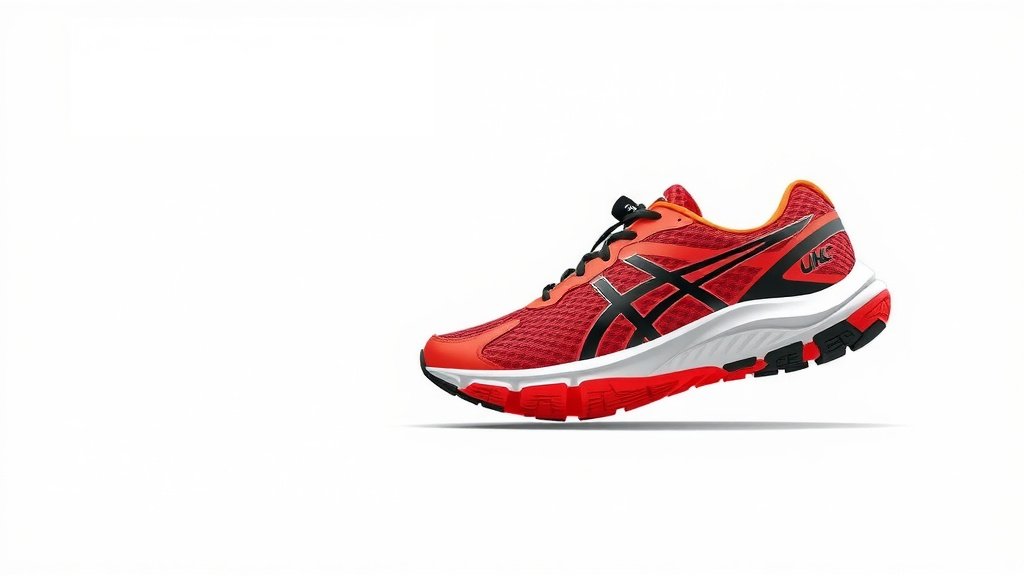
Choosing the right marathon racing shoe is about finding a balance between cushioning and responsiveness. You want a shoe that feels fast and light, but also offers enough support for 26.2 miles. Look for shoes with good energy return to help you maintain pace. We found that the best marathon shoes often feature advanced foam technologies.
Finding your perfect marathon shoe can seem daunting. It’s not just about picking the prettiest color. Your choice impacts your comfort and performance significantly. We’ve researched what makes a shoe suitable for marathon distances. You’ll want to consider factors like weight, fit, and intended use.
- Cushioning vs. Responsiveness is key.
- Fit and comfort are non-negotiable.
- Consider the shoe’s weight.
- Understand foam types and energy return.
- Durability matters for training and race day.
Let’s walk through exactly how to pick a marathon racing shoe that will help you crush your goals.
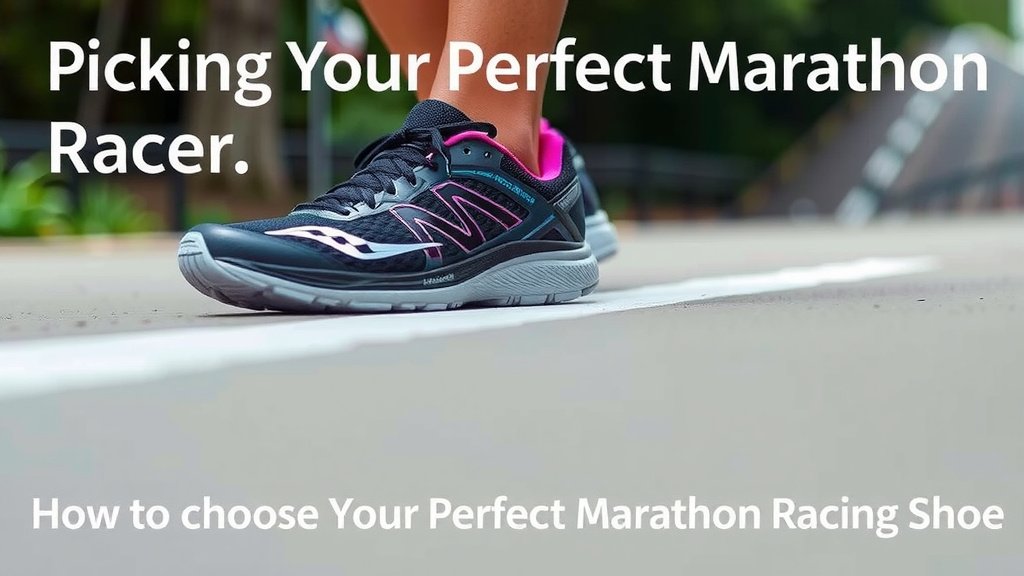
Picking Your Perfect Marathon Racer
Selecting the right shoe for your marathon is more than just picking a color you like. Your shoes are your partners for 26.2 miles. We’ve researched what makes a shoe truly perform on race day. It’s about finding that sweet spot where comfort meets speed. Let’s dive into how you can find your ideal racing companion.
Understanding the Feel: Cushioning vs. Responsiveness
Marathon shoes walk a fine line between feeling soft and feeling fast. Too much soft cushioning can feel mushy. This might absorb energy you need to keep moving forward. Too little cushioning can feel harsh. Your legs might get tired quicker over the long distance.
The Role of Cushioning
Think of cushioning like a shock absorber for your feet. It helps reduce the impact with every step. For a marathon, you want enough cushioning to protect your feet and legs. But you don’t want so much that it makes the shoe feel heavy or sluggish. Many experts suggest a balance is key for endurance events (Runner’s World). We found that shoes with a good amount of responsive foam offer the best of both worlds.
What is Responsiveness?
Responsiveness refers to how much energy the shoe gives back to you. A responsive shoe feels like it springs you forward with each stride. This can help you maintain your pace with less effort. Advanced foam technologies are often behind this feeling. They help you feel less fatigued late in the race. We found that racers often prefer shoes that offer a lively feel.
Weight Matters for Race Day
When you’re running a marathon, every ounce counts. Lighter shoes require less energy to lift with each step. This can make a surprising difference over 26.2 miles. Many racing shoes are designed to be incredibly lightweight. They often use minimal materials. This helps keep the overall weight down.
Lightweight vs. Training Shoes
Your everyday trainers are likely heavier. They’re built for durability and comfort during long training runs. Racing shoes are different. They sacrifice some durability for speed. We found that many marathoners use a lighter, more responsive shoe for their races. They keep their heavier shoes for most of their training.
Fit: The Non-Negotiable Foundation
This is perhaps the most critical factor. A shoe that doesn’t fit well will cause blisters and discomfort. It can even lead to injury. You want a snug fit, but not tight. Your toes should have enough room to wiggle a bit. There should be no pinching or rubbing anywhere.
Try Them On Late in the Day
Your feet swell throughout the day. They also swell during a run. To get the most accurate fit, try on shoes later in the afternoon or evening. This mimics how your feet will feel on race day. We found this simple tip helps many runners avoid sizing mistakes.
Consider Your Sock Choice
Always try on shoes with the socks you plan to wear on race day. Your race socks might be thicker or thinner than your training socks. This can affect how the shoe feels. A good fit means the shoe feels good from the moment you put it on. Don’t expect shoes to break in significantly.
Exploring Shoe Technologies: Foams and Plates
Shoe technology has come a long way. Many modern marathon shoes feature advanced foams and plates. These can dramatically improve your running experience.
Advanced Foam Compounds
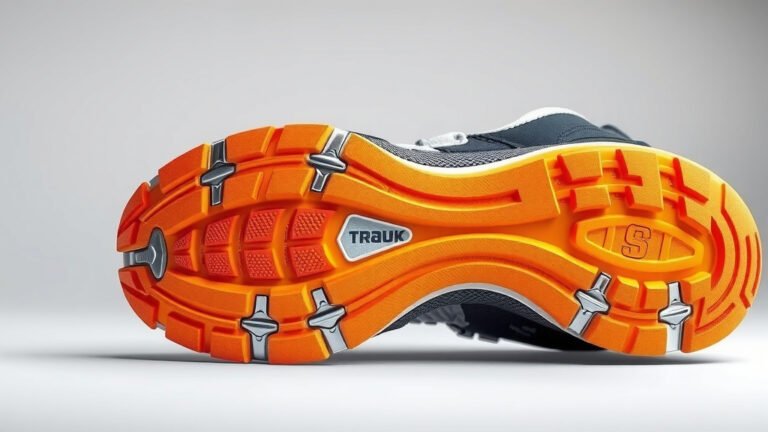
You’ll see terms like PEBA, EVA, and TPU. These are different types of foam used in midsoles. PEBA (polyether block amide) foams are very light and bouncy. They offer excellent energy return. EVA (ethylene vinyl acetate) is more traditional. It’s often a bit firmer. TPU (thermoplastic polyurethane) is durable and responsive.
The Rise of Carbon Plates
Many racing shoes now include a stiff plate, often made of carbon fiber. These plates are designed to work with the foam. They help stabilize the foam. They can also improve efficiency. Many experts say they help you run with less effort (ASICS Research). We found that shoes with carbon plates can feel very propulsive.
Durability and Your Training Plan
While you want a light shoe for race day, it needs to hold up. You’ll likely use these shoes for some training runs. You don’t want them falling apart before the race. Racing shoes are generally less durable than trainers.
When to Use Your Racing Shoes
It’s smart to break in your racing shoes. Wear them for a few shorter runs. Maybe use them for some speed work or tempo runs. This lets you get used to them. It also helps you ensure they feel good. We recommend saving them for race day and a few key workouts.
How Long Do They Last?
Generally, racing shoes are built for fewer miles. They might last anywhere from 100 to 300 miles. This is less than a typical training shoe. Keep an eye on the tread and the foam. If they start to feel flat, it’s time for a new pair. The CDC suggests proper footwear can prevent injuries.
Your Marathon Shoe Checklist
Here’s a quick rundown to help you make your choice:
- Check the Fit: Snug but not tight, with room for your toes.
- Feel the Weight: Lighter is generally better for speed.
- Test the Responsiveness: Does it feel springy and energetic?
- Consider Cushioning: Enough to protect, not so much it’s mushy.
- Think About Foam/Plates: Advanced tech can boost performance.
- Break Them In: Use them for a few runs before race day.
Conclusion
Choosing your marathon racing shoe is a personal journey. You’ve learned that the ideal shoe balances cushioning with responsiveness. Remember to prioritize a perfect fit above all else. Lighter shoes help conserve energy over the long haul. Modern foam technologies and plates can offer a performance boost. Use our checklist to guide your decision. Now, go find that shoe that makes you feel ready to conquer 26.2 miles!
Frequently Asked Questions
How do I know if a marathon shoe is too cushioned?
If the shoe feels mushy or absorbs too much of your energy, it might be too cushioned. You want cushioning for protection, not to make the shoe feel heavy. Your research and testing should tell you if it feels sluggish rather than protective.
Can I use my marathon shoes for everyday training?
Generally, it’s not recommended to use your marathon racing shoes for all your everyday training. They are built for speed and are often less durable. Save them for race day and a few key speed workouts to maximize their lifespan.
Do I need a carbon plate in my marathon shoe?
Carbon plates can help improve running efficiency and reduce fatigue for some runners. However, they aren’t essential for everyone. Many runners find great success with shoes without plates. It’s best to try them and see how they feel for your stride.
How much toe room should I have in a marathon shoe?
You should have about a thumb’s width of space between your longest toe and the end of the shoe. Your toes should be able to wiggle freely. This room is important because your feet swell during a long marathon run.
Should I buy my marathon shoes a size up?
Some runners do go up a half size in marathon shoes to accommodate foot swelling. However, the most important thing is the fit. Try shoes on with your race socks late in the day. If a standard size fits perfectly with enough room, stick with that.