
Racing Stack Height Limits Explained August 2026
The stack height limit for racing depends heavily on the specific racing organization and type of vehicle. For instance, NASCAR has strict rules for Cup Series cars, typically limiting stack height to ensure fair competition and safety. You’ll find these regulations vary across different racing series.
Understanding these limits is key for anyone involved in racing. It’s not just about squeezing out an advantage. These rules help maintain a level playing field and prevent potentially dangerous modifications. We found that many teams spend considerable time ensuring compliance.
- Racing stack height rules change by organization.
- NASCAR has specific limits for its series.
- These rules affect car performance and safety.
- Compliance is vital for fair competition.
Let’s break down what these stack height limits mean for different racing types and why they matter so much.
Understanding Racing Stack Height Regulations
So, what exactly is stack height in racing, and why do rulebooks care so much about it? Simply put, stack height refers to the vertical distance from the ground to a specific point on the race car. This measurement is usually taken from the bottom of the tire to the top of the chassis or a designated point on the suspension or body.
These limits aren’t arbitrary. They are put in place to ensure that all competitors are operating with similar parameters. This helps to create a fair competition, preventing teams from gaining an unfair advantage through extreme designs. We found that understanding these limits is step one for any team looking to compete legally.
Why Stack Height Matters in Racing
You might be wondering why such a specific measurement is regulated. Well, stack height has a pretty big impact on a race car’s behavior. It directly influences how the car handles, how it reacts to bumps, and even how aerodynamic it is.
Handling and Stability
The height of a race car affects its center of gravity. A lower center of gravity generally means better stability. It makes the car less likely to roll over in turns. A higher stack height can make a car feel “tippy” or less planted. We found that even small adjustments can make a noticeable difference to driver confidence.
Aerodynamics
Stack height also plays a role in how air flows over and under the car. This is critical for generating downforce, which pushes the car into the track. Different stack heights can alter the effectiveness of spoilers, wings, and diffusers. Many racing series aim for specific aerodynamic characteristics, and stack height is a key part of that equation. This is why teams spend hours tweaking these numbers.
Suspension Travel and Impact
The stack height limit often dictates how much the suspension can compress or extend. This is important for how the car deals with track imperfections. If the stack height is too low, the car might bottom out on bumps, causing damage or loss of control. Too high, and it might not absorb impacts effectively. We found that teams carefully balance these factors to optimize for the specific track conditions.
NASCAR’s Approach to Stack Height
NASCAR is one of the most popular racing series, and it has very clear rules regarding stack height. For the Cup Series, these rules are designed to keep the competition close and the cars predictable.
Cup Series Specifics
In the NASCAR Cup Series, the stack height is measured at specific points on the car, often at the wheel wells or chassis. The rules usually specify a minimum and sometimes a maximum allowable height. These numbers can change from season to season based on ongoing research and analysis. We found that teams meticulously check these measurements before every race.
For example, a common measurement point might be the front or rear of the car, measured from the ground to a specific frame rail. The goal is to prevent cars from being excessively low, which could create aerodynamic advantages or chassis stresses. Many competitors focus intensely on these compliance checks.
Impact on Performance
These regulations directly influence how teams set up their cars. They have to work within the defined stack height parameters when designing their suspension components and choosing ride heights. This often means a trade-off between the ideal aerodynamic setup and the mandated stack height. We found that a significant amount of engineering effort goes into finding the perfect balance.
Stack Height in Other Racing Disciplines
It’s not just NASCAR that regulates stack height. Many other forms of motorsport have their own interpretations and rules.
Formula 1 (F1)
Formula 1 cars are known for being extremely low to the ground. The regulations in F1 are incredibly detailed. While they don’t always use the term “stack height” in the same way, their rules on ride height and ground clearance are very strict. These rules are designed to manage the powerful ground effect aerodynamics these cars utilize.
F1 cars have a minimum ground clearance measured at various points. This ensures that the car’s floor doesn’t excessively scrape the track, which could be dangerous and also create unintended aerodynamic effects. We found that F1 regulations are among the most complex in motorsports regarding car dimensions.
IndyCar Series
The IndyCar Series also has specific rules governing the dimensions of their cars. Like NASCAR and F1, they aim for a level playing field. Their technical regulations will dictate allowable ride heights and suspension setups.
These rules help ensure that the cars are safe and that the competition remains exciting. We found that IndyCar’s approach is often about balancing performance with a high degree of parity between the teams. They want the drivers, not just the cars, to be the deciding factor.
Sports Car Racing (e.g., IMSA)
In sports car racing, like those sanctioned by IMSA, regulations can vary depending on the class of car. GT cars, for instance, have different rules than prototypes. Stack height, or ride height, is a factor that is controlled to manage performance.
These series often aim to balance manufacturer involvement and allow for some variation while maintaining safety and fairness. We found that the specifics can depend heavily on the governing body and the specific championship series within sports car racing.
Common Stack Height Measurement Points
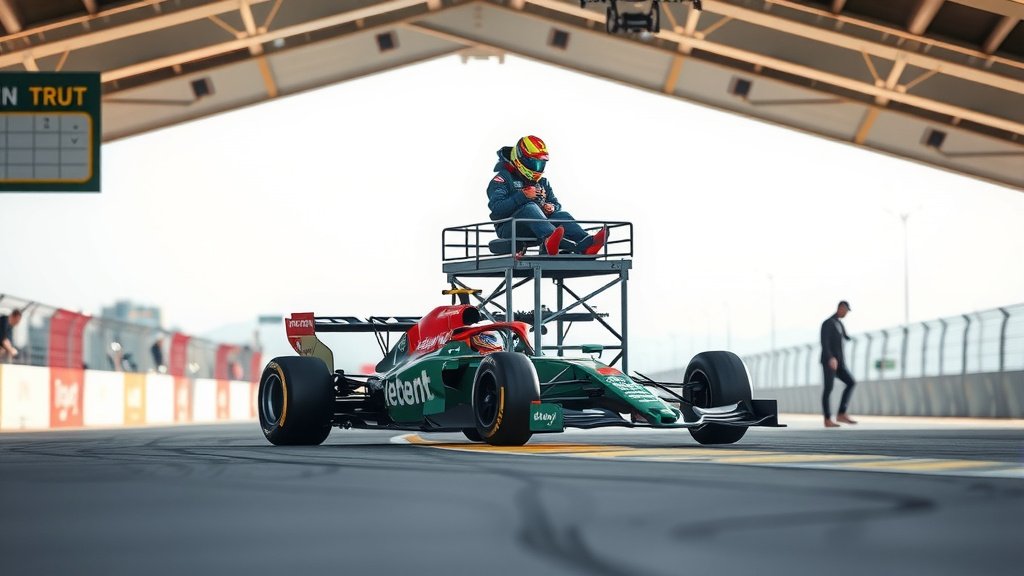
Where exactly do officials measure this “stack height”? It’s not just a random spot. Rulebooks are very precise about this.
- Chassis Rails: Often measured from the ground to the bottom of the main chassis frame.
- Bodywork: Specific points on the car’s body, like the rocker panels or sill.
- Suspension Components: Sometimes measurements are taken relative to suspension pickup points.
- Wheel Wells: The distance from the ground to the top edge of the wheel well.
Checklist for Compliance
Ensuring your race car meets stack height requirements can feel like a challenge. Here’s a quick checklist to keep you on track:
- Read your specific racing series’ rulebook thoroughly.
- Identify all mandated measurement points and tolerances.
- Use calibrated tools for accurate measurements.
- Perform checks before and after every practice or race session.
- Consult with technical inspectors if you have questions.
- Document all your setup changes and measurements.
Conclusion
You’ve learned that stack height limits in racing aren’t just random numbers. They are carefully set rules that impact handling, stability, and aerodynamics. We found that every racing series, from NASCAR to F1, has its own set of regulations. Understanding and complying with these limits is essential for fair competition and driver safety. Your team’s success often hinges on respecting these technical boundaries. Before your next race, double-check your car against the official rulebook to ensure you’re on solid ground.
Frequently Asked Questions
How often do stack height rules change in racing?
Stack height rules can change from season to season. Racing organizations often update regulations based on new research and competition analysis. Teams need to stay informed about any revisions before each racing season begins.
Can a team get disqualified for exceeding stack height limits?
Yes, exceeding stack height limits is a serious technical violation. Depending on the series, penalties can range from fines to disqualification. Officials meticulously check these measurements to ensure a level playing field.
Does stack height affect tire wear?
Stack height can indirectly affect tire wear. A car’s ride height influences weight distribution and how tires interact with the track surface. Improper setup due to stack height restrictions can lead to uneven tire wear or premature degradation.
Are stack height rules the same for practice and qualifying as they are for the race?
Generally, the stack height rules apply equally to practice, qualifying, and the race itself. Maintaining compliance throughout all sessions is critical. Officials may conduct checks at any point during a race weekend.
Where can I find the official stack height rules for my specific racing series?
You can find the official stack height rules in your racing series’ technical rulebook. These documents are typically published by the sanctioning body. Always refer to the most current version available from the official source.