Toe Shape and Shoe Fit: Finding Your Perfect Pair
Yes, your toe shape dramatically affects how shoes fit. Different toe shapes need specific shoe designs for a comfortable and supportive feel. Ignoring this can lead to blisters and foot pain.
Many shoe styles are designed with certain toe shapes in mind. Understanding your foot’s natural taper can help you find shoes that feel like they were made just for you. We found that the right fit prevents common foot issues and makes walking feel better.
- Your toe shape matters for shoe fit.
- Different shapes need different shoe styles.
- Ignoring toe shape causes pain and blisters.
- Finding the right fit prevents foot problems.
- Know your toe shape for happier feet.
Let’s walk through exactly how your toe shape influences your shoe choices and what to look for. We’ll help you find shoes that fit like a dream.
Understanding How Your Toe Shape Impacts Shoe Fit
Did you know your feet have a distinct personality, right down to your toes? And that personality really matters when you’re trying to find shoes that feel just right. We found that shoe designers often create styles based on common toe shapes. Understanding your own toe shape is like getting a secret key to unlock comfortable footwear.
Think of it this way: trying to cram a square peg into a round hole. That’s what wearing the wrong shoes can feel like for your feet. When shoes don’t match your toe shape, you can end up with sore spots, blisters, or even longer-term foot issues. We found that paying attention to your toe shape can save you a lot of discomfort.
The Five Common Toe Shapes Explained
Most people have one of five main toe shapes. Knowing which one describes your foot can help you shop smarter. We researched common classifications to help you identify yours easily. Let’s take a look at what makes each one unique.
The Roman Toe (Or “Square Toe”)
Does your big toe sit level with the second toe? If so, you likely have a Roman toe shape. All your toes tend to be pretty much the same length. This shape is often referred to as a “square toe.”
Shoes that work well for Roman toes usually have a wider, squarer toe box. This gives your toes room to spread out naturally. We found that pointed or overly tapered shoes can cause your longest toes to bump against the front.
The Egyptian Toe (Or “Tapered Toe”)
Is your big toe significantly longer than all the others? If your toes dramatically taper down from the big toe, you have an Egyptian toe shape. This is one of the most common toe shapes. Many people identify with this taper.
For this toe shape, shoes with a pointed or almond-shaped toe box often provide the best fit. This style follows the natural slope of your toes. We found that a roomy toe box is still important, but the overall taper of the shoe is key here.
The Greek Toe (Or “Morton’s Toe”)
What if your second toe is longer than your big toe? That’s the defining feature of a Greek toe shape. It’s sometimes called “Morton’s Toe.” This toe structure can sometimes lead to more pressure on the ball of the foot.
When choosing shoes, look for styles with extra depth or a slightly rounded toe box. This helps to accommodate the longer second toe. We found that shoes that are too narrow in the toe can put undue pressure on this longer toe. Some people with Greek toes benefit from specific orthotic inserts too, according to podiatry guidelines (Cleveland Clinic).
The Straight Toe (Or “Celtic Toe”)
Do all your toes seem to line up fairly straight? If your toes are similar in length and don’t have a dramatic taper, you might have a straight toe shape. This is sometimes called a “Celtic toe.” It’s a more uniform look across your toes.
This toe shape can often handle a wider variety of shoe styles. However, you still want to avoid shoes that are too tight. We found that even with straight toes, a little room to wiggle is always a good thing. Look for shoes that offer consistent width throughout the toe box.
The Dramatic Toe (Or “Splayed Toe”)
Do your toes spread out quite a bit, with your big toe and little toe potentially being the longest? This wide, splayed appearance is known as a dramatic toe shape. Your toes might not follow a single distinct taper.
For this toe shape, the widest toe box you can find is usually the best bet. Shoes that allow your toes to splay naturally will feel the most comfortable. We found that many “natural” or “barefoot” style shoes cater well to this toe shape by offering ample width.
How Different Shoe Styles Accommodate Toe Shapes
Shoe manufacturers design their footwear with specific toe shapes in mind. You’ve probably noticed this even if you didn’t know why. Understanding this connection can make your shoe shopping trips much more successful.
The Classic Pump vs. The Modern Sneaker
A classic pointed-toe pump is designed with the Egyptian or Greek toe in mind. It follows that natural taper. However, if you have a Roman toe, that pointed style might feel uncomfortably snug. We found that forcing your toes into a shoe not designed for them is a recipe for pain.
On the other hand, many athletic sneakers feature a more rounded or even boxy toe. This is often better for Roman or Straight toes. It gives everyone a little more wiggle room. We found that sneakers are often designed with general comfort and foot health in mind, making them more forgiving.
Boot and Sandal Considerations
Boots can vary widely. Some have pointed toes, others have square or rounded toes. When buying boots, assess the toe box just as you would with any other shoe. If you have a Greek toe, for example, a very narrow, pointed boot might cause significant discomfort over time. We found that boot shafts can also affect fit, but the toe box is your primary concern for toe shape accommodation.
Sandals offer the most freedom, allowing toes to spread. However, some sandal straps can still create pressure points. If you have a wider foot or a splayed toe shape, look for sandals with adjustable straps or a wider footbed. We found that many strappy sandals can pinch if not chosen carefully for your foot’s natural width.
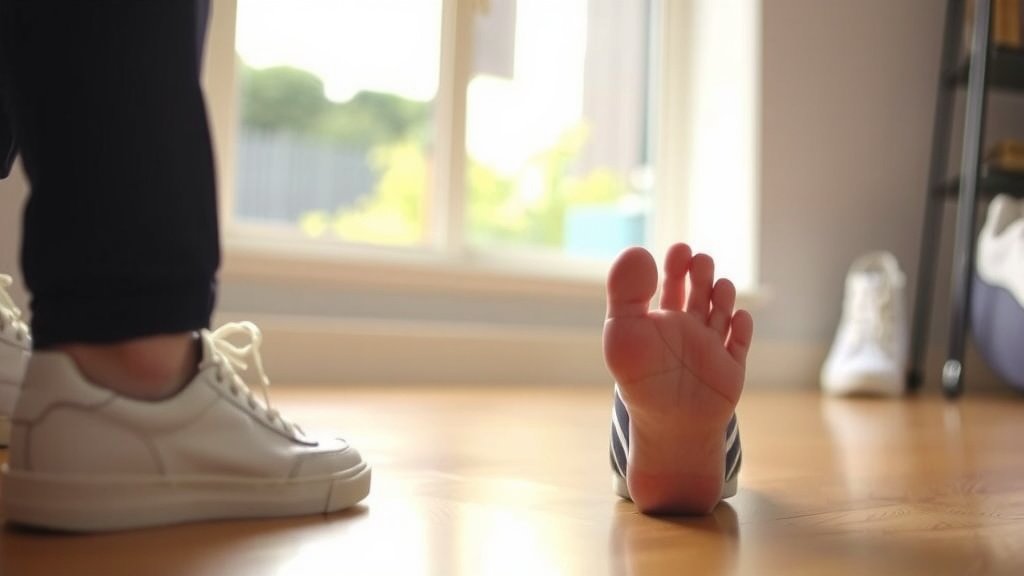
Finding Your Perfect Fit: A Simple Checklist
Ready to put this knowledge to work? Here’s a quick guide to help you find shoes that celebrate your unique toe shape:
- Identify Your Toe Shape: Take a look at your feet. Which description fits best?
- Know Your Shoe Styles: Understand which toe box shapes (pointed, rounded, square) work best for you.
- Prioritize Comfort Over Trend: A shoe might look great, but if it hurts your toes, it’s not the right fit.
- Walk Around in Them: Always try on shoes and walk a bit in the store. Do your toes feel pinched?
- Check for Wiggle Room: Can you wiggle your toes freely? There should be about a thumb’s width between your longest toe and the shoe’s end.
- Consider Wide Options: If you have a wider toe splay or Roman toes, don’t shy away from “wide” or “extra-wide” widths.
Conclusion
Understanding your unique toe shape is your superpower for finding shoes that truly fit. You’ve learned how Roman, Egyptian, Greek, Straight, and Dramatic toes each need different shoe designs. Ignoring this can lead to discomfort and foot problems you want to avoid. By knowing your shape and what toe box styles to look for, you’re well on your way to happier feet. Your next step? Pay attention to your toes the next time you shop for footwear. You deserve shoes that feel amazing from the moment you put them on.
Frequently Asked Questions
Can my toe shape really make that big of a difference in shoe fit?
Yes, your toe shape plays a significant role. Different toe shapes require varying amounts of space and specific contours in the shoe’s toe box for a comfortable and supportive fit. Wearing shoes not designed for your toe shape can cause pinching, pressure points, and blisters.
What if my toes don’t perfectly fit one of the five shapes?
It’s common for feet to have characteristics of more than one shape. Most people have a dominant toe shape that influences their fit the most. Focus on the general taper and width your longest toes require, and prioritize shoes that offer ample room and comfort.
Are pointed-toe shoes always bad if I don’t have an Egyptian toe?
Not necessarily always bad, but they can be problematic. Pointed-toe shoes are designed for tapered toes, like the Egyptian or Greek. If you have Roman or Dramatic toes, a severely pointed shoe will likely cramp them, leading to discomfort and potential foot issues over time.
How can I tell if a shoe’s toe box is wide enough for my toes?
When trying on shoes, you should be able to wiggle your toes freely without them touching the front or sides of the shoe. There should be about a thumb’s width of space between your longest toe and the end of the shoe. Your toes should also be able to splay naturally.
Do wide-width shoes always solve toe shape fit problems?
Wide-width shoes can definitely help, especially if you have a broader foot or splayed toes. However, width alone isn’t the only factor. The shape of the toe box (rounded, square, pointed) still matters. Always check that the toe box also has the correct contour and depth for your specific toe shape.