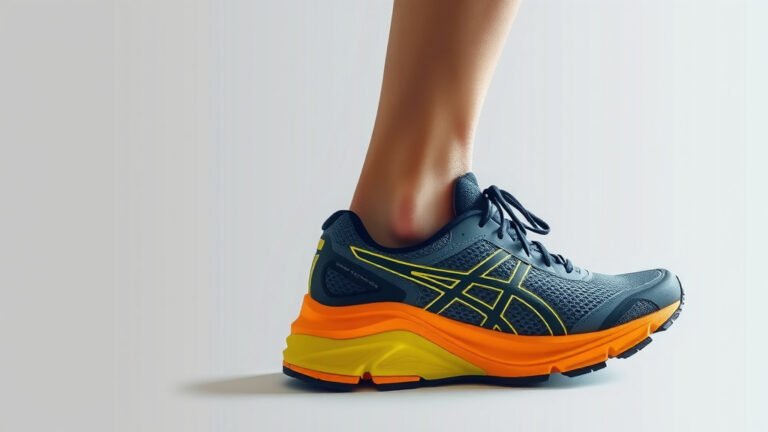
Wash Your Running Shoes Safely in a Machine
Yes, you can absolutely clean running shoes in a washing machine! It’s a surprisingly effective way to get your sweaty kicks looking and smelling much better. Just be sure to follow a few key steps to keep your shoes safe and sound.
Many runners wonder if tossing their shoes into the wash is a good idea. We found that while it’s a great shortcut, improper washing can damage your beloved trainers. Knowing the right technique ensures you get clean shoes without causing harm to their performance or structure. It’s all about gentle care for your hardworking feet.
- Pre-treat stains first.
- Remove laces and insoles.
- Use a gentle cycle with cold water.
- Add a towel to cushion the load.
- Air dry; never use a machine dryer.
Ready to revive your running shoes? Let’s walk through exactly how to get them sparkling clean in the washing machine, step by step.
So, you’ve hit the trails, pounded the pavement, or just walked your dog a bit too enthusiastically, and your trusty running shoes are looking… well, less than fresh. You’re wondering if there’s a quick fix. Good news! We found that cleaning running shoes in a washing machine can be a total game-changer for reviving them.
Washing Machine Method: Your Go-To for Dirty Kicks
Can you really throw your running shoes into the washing machine? The short answer is yes. It’s a convenient way to tackle mud, sweat, and that questionable odor. Many runners use this method with great success. We found that the key is to be gentle and strategic. Think of it like giving your shoes a spa day, not a wrestling match.
Before You Toss Them In: Crucial Prep Steps
This is where the magic happens. Skipping these steps is like trying to bake a cake without the oven – it just won’t end well. Proper preparation is key to avoiding damage and getting the best clean.
Remove the Loose Stuff First
First things first, get rid of anything that can fall out or get caught. You’ll want to remove the laces and insoles. This allows for a more thorough clean of the shoes themselves and also prevents the laces from getting tangled into a knot that would make a sailor proud.
The insoles can often harbor a lot of odor and sweat. Washing them separately, or even hand-washing them, can make a big difference. We found that this simple step is often overlooked but highly effective.
Brush Off the Caked-On Grime
Before they go into the wash, give your shoes a good once-over with a stiff brush. Think of an old toothbrush or a dedicated shoe brush. You want to knock off any loose dirt, mud, or debris. This prevents the washing machine from becoming a mud pit and helps the cleaning solution reach the fabric more easily.
Research from athletic gear specialists often points to pre-cleaning as a vital step. It helps ensure your washing machine doesn’t end up clogged with dirt. We found that taking just a minute or two for this can save you headaches later.
The Washing Machine Settings: Gentle Does It
Now it’s time for the actual wash. You don’t need to crank up the heat or use the heaviest cycle. Your running shoes need a delicate touch.
Choosing the Right Cycle and Water Temperature
When selecting your washing machine cycle, go for the gentle or delicate setting. This is designed for items that need a lighter touch. For water temperature, cold is always the way to go. Hot water can damage the glues and materials in your shoes, potentially leading to them falling apart.
Many sources, like those focused on footwear care, recommend cold water. They explain that hot water can cause shrinkage and deform the shoe’s structure. We found this to be consistent advice across multiple expert recommendations.
Detergent: Less is More
You don’t need a lot of detergent. A small amount of mild liquid detergent is perfect. Avoid using powdered detergents, as they can sometimes leave residue. And definitely steer clear of bleach or harsh stain removers, as these can degrade the shoe materials.
Think of it this way: you’re washing fabric, not trying to strip paint. A little goes a long way. We found that using too much detergent can lead to extra rinsing or residue. Just a tablespoon or two should do the trick.
The Towel Trick: Cushioning Your Load
This is a pro tip we discovered. Toss a couple of old towels into the washing machine with your shoes. Why? The towels act as cushions. They prevent your shoes from banging around excessively against the drum. This reduces noise and, more importantly, protects both your shoes and your washing machine.
A bit of padding makes a world of difference. It helps create a more balanced load too. We found that this simple addition makes the whole process smoother and gentler.
After the Wash: The Drying Process is Crucial
Your shoes are clean, but the job isn’t done yet. How you dry them is just as important as how you wash them.
Air Dry is Your Only Option
This is a big one: NEVER put your running shoes in the dryer. The heat from a machine dryer is incredibly damaging. It can warp the shape, melt glues, and break down the materials that give your shoes their support and cushioning. This is a common mistake that can ruin a perfectly good pair of shoes.
Instead, let them air dry naturally. Find a well-ventilated spot, perhaps near an open window or a fan. You can stuff them with newspaper or paper towels to help absorb moisture and maintain their shape. Change out the stuffing every few hours if possible.
Patience is a Virtue (Especially with Drying)
Air drying can take a while, sometimes 24 hours or even longer, depending on humidity and how damp they got. Resist the urge to speed things up with heat. Your shoes will thank you by staying in good condition for longer.
We found that patients here really pays off. Ensuring they are completely dry before wearing them prevents odor buildup and potential issues with mold or mildew. It’s better to wait an extra day than to risk damaging your footwear.
A Quick Checklist for Success
To make sure you get it right every time, here’s a handy checklist. Keep this handy for your next shoe-cleaning adventure:
- Brush off loose dirt and mud.
- Remove laces and insoles for separate cleaning.
- Use a gentle cycle with cold water.
- Add a few old towels to cushion the load.
- Use only a small amount of mild liquid detergent.
- Air dry completely; never use a machine dryer.
Conclusion
You now have the know-how to refresh your running shoes using your washing machine. Remember, the key to success lies in gentle preparation and careful drying. By removing debris, using cold water on a delicate cycle, and always air drying, you can effectively clean your shoes without causing damage. This method can extend the life of your favorite running companions.
Give your shoes the care they deserve. Try this machine washing method on your next pair and enjoy that clean-shoe feeling on your next run!
Frequently Asked Questions
How often can I wash my running shoes in the washing machine?
You can wash your running shoes in the washing machine periodically, but not too often. We found that washing them once every few months or when they are visibly very dirty is usually sufficient. Over-washing can potentially break down the materials faster.
Can I use a top-loading washing machine?
Yes, you can use a top-loading washing machine. However, these machines can sometimes be rougher due to the agitator. Using a laundry bag for your shoes and definitely including towels for cushioning is highly recommended to protect both your shoes and the machine.
What if my running shoes have reflective parts?
Reflective parts on running shoes are generally durable, but it’s best to be cautious. We found that the gentle cycle with cold water should not harm them. Avoid harsh detergents and always air dry, as heat can damage reflective materials.
My shoes still smell after washing. What did I do wrong?
If your shoes still smell, ensure you removed and properly cleaned the insoles. You might also need to air them out longer, possibly stuffing them with newspaper to absorb lingering moisture and odors. Sometimes, a second gentle wash cycle is needed.
Can I wash trail running shoes the same way?
Yes, trail running shoes can often be washed similarly. The main difference is that trail shoes might have more caked-on mud. Ensure you brush off as much dried mud as possible before washing. The rest of the steps – gentle cycle, cold water, and air drying – remain the same.