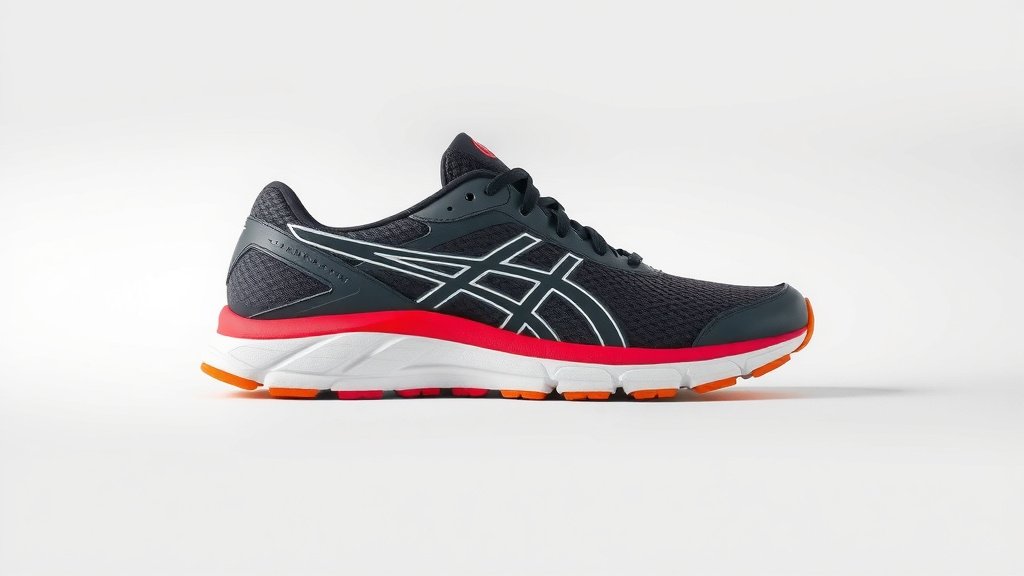
Lightweight Running Shoes Explained: Find Your Perfect Pair
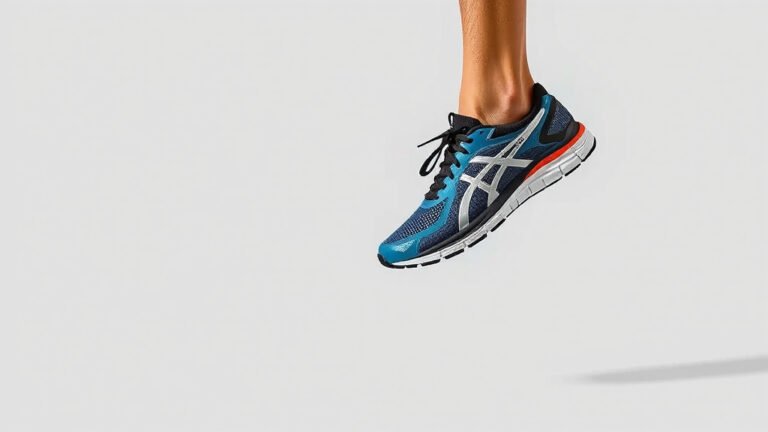
A lightweight running shoe is a shoe designed to be minimalist and incredibly light. These shoes help you feel faster and more agile on your runs. They often have less cushioning and support than traditional shoes.
Think of them as your running shoe’s speedy cousin. They focus on reducing weight to enhance your natural stride. This can lead to a more responsive feel with every step you take. Many runners find them great for tempo runs or races.
- Lightweight running shoes are built for speed.
- They have less cushioning for a faster feel.
- You’ll feel more connected to the ground.
- Great for faster-paced runs and races.
- Choose them if you want to feel nimble.
Below, we’ll break down exactly what makes a running shoe “lightweight” and who they’re best suited for. Let’s get into the details!
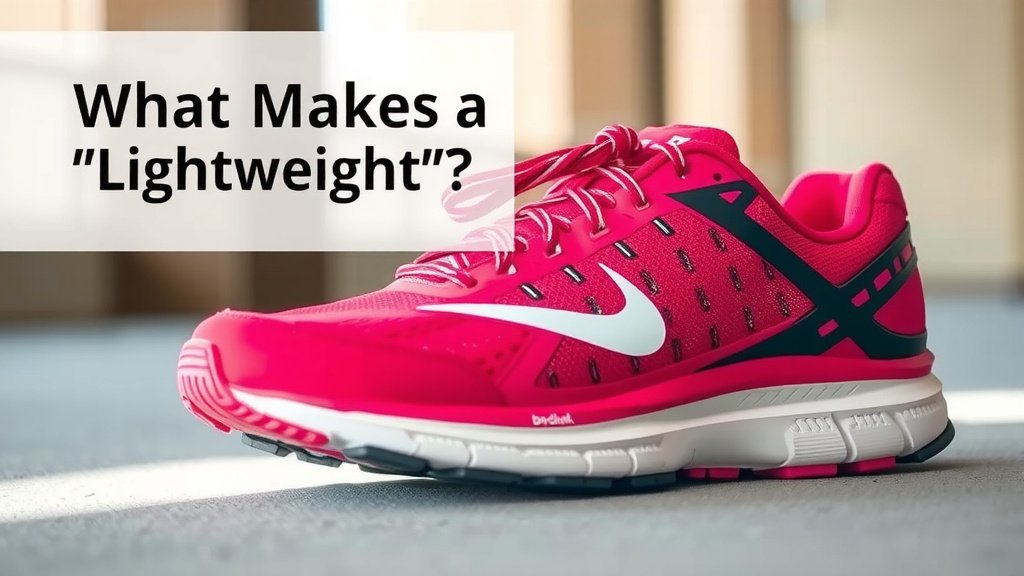
What Makes a Running Shoe “Lightweight”?
You might be wondering what exactly separates a lightweight running shoe from your everyday trainer. It boils down to a few key design choices that all focus on one thing: reducing weight.
These shoes achieve their lightness through simpler construction. They often use fewer materials. They also tend to have less of the bulky foam found in traditional shoes. This means you’re not carrying around extra weight with each stride. Many runners find this makes a noticeable difference in how fast they feel.
Materials Matter for Feather-Light Feel
The choice of materials is a huge factor. Manufacturers look for fabrics that are both strong and incredibly light. Think about engineered mesh for the upper. This material is breathable and airy. It conforms to your foot without adding bulk.
The midsole, the layer between the upper and the outsole, is where much of the weight is saved. Lightweight running shoes often use less dense foam compounds. These foams provide just enough cushioning. They don’t pack in too much material, which would add grams.
The outsole, the bottom part that grips the road, is also streamlined. It might have less rubber coverage. It’s strategically placed only where you need it most for durability and traction. This attention to every component adds up.
Less Cushioning, More Ground Feel
One of the most noticeable differences is the reduced cushioning. Traditional running shoes often have thick, plush midsoles. This is great for comfort on long, easy runs. But it can feel sluggish for speed work.
Lightweight shoes offer a more “ground feel.” You can sense the surface beneath your feet more directly. This isn’t always a bad thing! It can help you adjust your stride more efficiently. It allows for a quicker turnover.
We found that this connection to the ground can feel really responsive. It’s like you’re more in tune with your body and the road. For some runners, this direct connection is exactly what they seek. It helps them feel more agile.
Minimal Support Features
Support features, like plastic shanks or robust heel counters, add structure and stability. While beneficial for some runners, these also add weight. Lightweight shoes typically have these elements toned down or removed entirely.
The idea is to let your foot move more naturally. This relies more on your own foot’s strength and biomechanics. It’s a more minimalist approach. If you have very stable feet and efficient form, this can work well.
Research suggests that shoes with less structure can encourage stronger foot muscles over time (Journal of Orthopaedic & Sports Physical Therapy). However, this is something to consider carefully based on your own needs.
Who Benefits Most from Lightweight Running Shoes?
So, are these speedy shoes right for you? It really depends on your running goals and style. They aren’t necessarily for everyone. But for many, they can be a fantastic addition to a running rotation.
The Racer and the Speed Demon
If you’re a competitive runner, lightweight shoes are often your go-to for race day. Think 5Ks, 10Ks, half marathons, or even marathons. They help shave off precious seconds. Every ounce saved counts when you’re pushing your limits.
Tempo runs are another area where these shoes shine. A tempo run is a sustained, comfortably hard effort. The lighter feel helps you maintain a quicker pace. You feel less drag with every step. It makes hitting those target paces feel more achievable.
Runners Seeking a More Natural Feel
Some runners simply prefer the sensation of running in a lighter shoe. They enjoy feeling the ground. They like the freedom of movement it offers. It can feel more like running barefoot, but with a bit of protection.
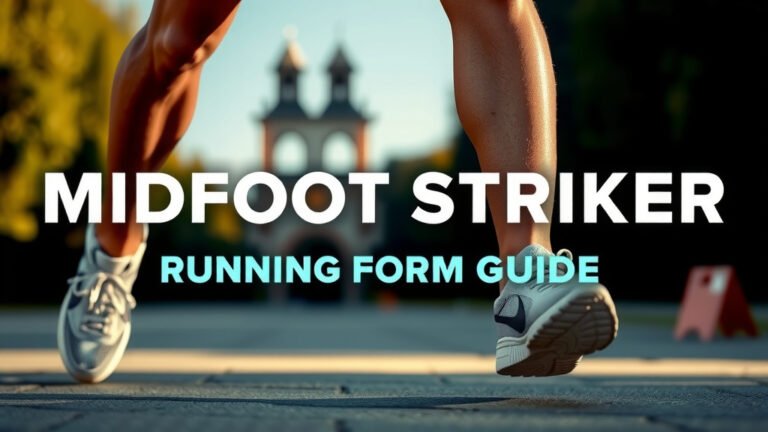
This is often referred to as a “natural running” style. It emphasizes a midfoot or forefoot strike. Lightweight shoes can complement this style very well. They allow your foot to land and transition smoothly.
Experienced Runners with Strong Biomechanics
If you have years of running experience, you likely have strong feet and ankles. Your running form is probably efficient. In this case, a shoe with less support might not cause issues. It could even enhance your natural abilities.
However, if you’re new to running, or if you’ve experienced injuries, it’s wise to be cautious. A shoe with more support and cushioning might be a better starting point. Gradually introducing lighter shoes could be an option later on.
What to Look For in a Lightweight Shoe
When you’re shopping for these speedy companions, keep a few things in mind. It’s not just about picking the lightest shoe off the shelf. You still need a good fit and appropriate features for your needs.
Weight Categories
The term “lightweight” can be a bit subjective. Generally, we can break them down:
| Shoe Type | Weight (Ounces) |
|---|---|
| Traditional Trainer | 9.5 oz+ |
| Lightweight Trainer | 7.5 – 9.5 oz |
| Racing Flat / Ultra-Light | Under 7.5 oz |
You’ll often see them advertised as “lightweight trainers” or “racing flats.” Racing flats are typically the absolute lightest. They offer minimal cushioning but maximum speed. Lightweight trainers offer a balance.
Upper Construction: Breathability is Key
Look for uppers made from thin, breathable mesh. This keeps your feet cool and comfortable. It also reduces overall weight. A seamless construction is a plus. It helps prevent irritation and blisters on longer runs.
Midsole Foam: Responsiveness Over Plushness
The foam should feel responsive rather than mushy. It should give you energy back with each step. While cushioning is reduced, it should still offer some protection. You don’t want to feel every single pebble. Many brands now use advanced foam compounds that are both light and energetic.
Outsole Design: Strategic Grip
The rubber on the outsole is often thinner. It’s strategically placed in high-wear areas. This saves weight while still providing reliable traction. Think about where your foot strikes and pushes off the ground.
Fit is Still King
No matter how light a shoe is, it’s useless if it doesn’t fit well. Make sure there’s enough room in the toe box for your toes to splay. The heel should feel secure without slipping. Try them on, ideally at the end of the day when your feet are slightly swollen.
A Checklist for Choosing Your Lightweight Shoes:
- Consider your primary use (racing, tempo, everyday).
- Prioritize a comfortable, secure fit.
- Check the weight range for your needs.
- Look for breathable upper materials.
- Assess the midsole for responsiveness.
- Don’t forget the outsole for grip.
Choosing a lightweight running shoe can add an exciting dimension to your running. It’s about feeling faster, more connected, and enjoying the pure act of running.
Conclusion
You’ve learned that lightweight running shoes are all about feeling fast and agile. They achieve this through reduced materials, less cushioning, and minimal support features. We found these shoes excel for racers, speed demons, and those seeking a more natural running feel. Remember to consider weight categories, upper breathability, and responsive midsoles when choosing yours. Ultimately, the right lightweight shoe can enhance your performance and enjoyment on the road or trail. Your next step is to identify your running goals and try on a few options to feel the difference yourself!
Frequently Asked Questions
Are lightweight running shoes good for everyday training?
Lightweight shoes can be great for some everyday runs, especially if you want a more connected feel. However, for daily miles that focus on comfort or recovery, you might prefer a shoe with more cushioning and support. Many runners use lightweight shoes for specific types of runs, like tempo workouts or long runs where speed is a factor.
Can beginners use lightweight running shoes?
Beginners might find it beneficial to start with shoes offering more cushioning and support. This can help build strength and prevent injuries as your body adapts to running. As your form improves and your feet get stronger, you can gradually introduce lighter shoes to your rotation. It’s always a good idea to consult with a running store professional or physical therapist.
How much weight difference makes a shoe “lightweight”?
Generally, shoes weighing under 9.5 ounces for a men’s size 9 are considered lightweight trainers. Racing flats or ultra-light shoes often come in under 7.5 ounces. The key is that the reduction in weight is noticeable and contributes to a faster, more nimble feel.
Will lightweight shoes make me faster?
While a lighter shoe won’t magically make you faster on its own, it can certainly help. By reducing the energy needed to lift your feet with each stride, you can potentially maintain a quicker pace. The responsive feel also encourages a faster cadence. Your own training and effort are still the biggest factors in improving speed.
Do lightweight shoes offer enough protection for my feet?
Lightweight shoes offer less cushioning and support than traditional trainers, which means you’ll feel the ground more. While this can be beneficial for proprioception and a natural stride, it might not provide enough protection for everyone, especially on hard surfaces or for runners prone to impact-related injuries. Assess your comfort and listen to your body when deciding if the protection is adequate for your runs.