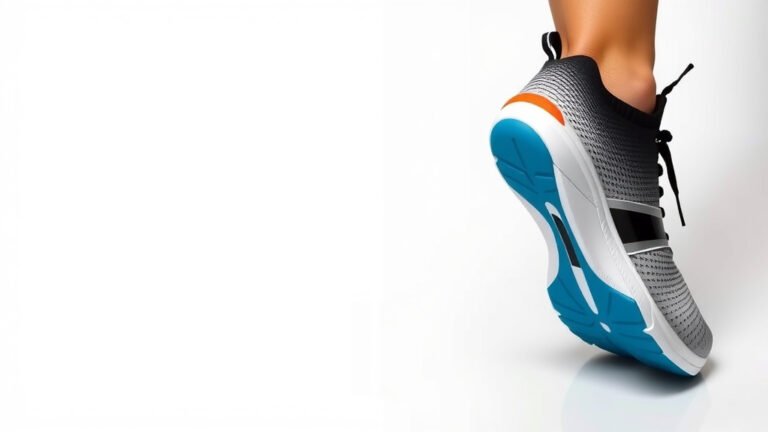

Your Zero Drop Transition Timeline Explained
Transitioning to zero-drop shoes can take anywhere from a few weeks to a few months. The exact timeline depends on your body’s response and how consistently you ease into them. Listen to your body; it will tell you when it’s ready to move faster.
Many runners aim for a gradual switch to prevent injury. This approach allows your muscles and connective tissues to adjust. Some people find they can transition quickly, while others need a slower, more deliberate pace. We found that consistency is key.
- Zero drop means no heel-to-toe difference.
- Transition time varies greatly per person.
- Listen to your body for cues.
- Gradual changes reduce injury risk.
Below, we’ll walk you through what the experts say about making the switch to zero-drop shoes and how you can do it safely.
Your Guide to a Smooth Zero-Drop Transition
Making the switch to zero-drop shoes is exciting! You might be wondering, “How long will this take?” The truth is, there’s no one-size-fits-all answer. We’ve found that it truly depends on your body and how you approach the change. Think of it like training for a race; you wouldn’t jump into a marathon without preparation, right? Your feet and lower legs need time to adjust to a new way of moving. This adjustment period is key to avoiding discomfort and injury.
Understanding Zero-Drop and Why Transition Matters
Zero-drop shoes have a heel and forefoot that are the same height off the ground. Traditional shoes often have a heel-to-toe drop, sometimes as much as 12mm or more. This difference can encourage a heel-striking gait. When you remove that drop, your body naturally tends to land more midfoot or forefoot. This can feel quite different initially.
Experts suggest that this change can place different stresses on your muscles and tendons. Your Achilles tendon and calf muscles, for instance, might do more work. Your foot’s arches and the small muscles within your feet will also be engaged differently. That’s why a gradual transition is so important. It gives these tissues time to strengthen and adapt.
The Role of Your Body’s Adaptation
Your body is amazing at adapting. However, this adaptation doesn’t happen overnight. When you first switch to zero-drop, you might feel new sensations. Some people notice a stretch in their calves. Others might feel their feet working harder than before. These are normal signals that your body is responding to the change.
We found that paying close attention to these signals is crucial. Pushing too hard, too fast, can lead to soreness or even injury. This could set back your progress. It’s better to be patient and let your body guide the pace. Think of it as building a strong foundation for long-term comfort and performance.
Typical Timelines for Zero-Drop Transition
Research and common advice from shoe companies and running communities suggest a transition period ranging from a few weeks to a few months. For some, a few weeks might be enough if they are very cautious. For others, it can take three to six months for a complete switch. It really varies.
Consider this table outlining general timelines. These are just guidelines, not strict rules:
| Transition Phase | Typical Duration | Notes |
|---|---|---|
| Initial Acclimation | 1-2 weeks | Start with short walks or very light activity. Wear them for a few hours daily. |
| Gradual Increase | 2-4 weeks | Begin incorporating short runs or longer walks. Alternate with your old shoes. |
| Consistent Use | 4-12 weeks (or more) | Gradually increase the duration and intensity of zero-drop use. Listen to your body for readiness. |
Factors Influencing Your Transition Speed
Several things can speed up or slow down your journey. Your current activity level is a big one. If you’re already active and have strong feet and legs, you might adapt more quickly. If you’re new to exercise or have had previous injuries, a slower approach is wise.
Your foot mechanics also play a role. Some people have naturally flexible feet, while others have more rigid structures. Your body’s response to the new loading is unique. Some individuals might experience no issues, while others feel immediate tenderness. There’s no right or wrong way your body reacts, only your way.
Previous Footwear History
Have you worn minimalist shoes before? Or perhaps shoes with very little cushioning? If so, your feet might already be somewhat accustomed to less support. This could mean a shorter transition time. On the flip side, if you’ve always worn heavily cushioned, heeled shoes, your feet might need more time to adjust.
Consistency is Key
We found that consistency is more important than speed. Wearing your zero-drop shoes for short periods regularly is more effective than wearing them for a long time once a week. This consistent exposure helps your body build strength and adapt incrementally. Think of it as building a habit for your feet.
How to Safely Transition to Zero-Drop
The best way to transition is to do it slowly and deliberately. Don’t ditch your old shoes overnight. Start by wearing your zero-drop shoes for short periods. This could be for walking around the house or for short errands. The goal is to get your feet used to the feel and the new mechanics.
Gradual Inclement of Activity
Once you’re comfortable with short walks, you can start incorporating them into your exercise routine. Begin with shorter runs or workouts than you normally would. If you run 5 miles, try a 2-mile run in zero-drop shoes. Listen to your body. If you feel good, you can gradually increase the distance or intensity over time.
We recommend alternating between your old and new shoes. Wear your zero-drop shoes for one workout and your traditional shoes for the next. This allows your body to recover while still getting exposure to the new footwear. This is a great strategy for reducing stress.
Listen to Your Body’s Signals
This is perhaps the most critical piece of advice. Pain is not normal. Mild soreness or fatigue in your calves or feet might be expected. However, sharp pain, persistent aches, or swelling are signs to back off. Don’t push through this kind of discomfort.
If you experience pain, reduce your zero-drop usage. Go back to your old shoes or reduce the time spent in the new ones. Give your body more time to recover and adapt. You can then try again with even shorter durations. Patience here will serve you well.
Strengthening and Mobility Exercises
To support your transition, consider adding some simple exercises. Strengthening your feet and calves can make a big difference. Simple calf raises, toe curls, and walking on your toes can help build the necessary strength.
Improving your ankle mobility is also beneficial. Gentle ankle circles and stretches can prepare your body for the new gait. Many experts suggest that enhanced foot and ankle strength helps support the transition to a more natural foot strike (NIH). This makes the process smoother.
Your Zero-Drop Transition Checklist:
- Start with short periods of wear.
- Gradually increase duration and frequency.
- Alternate between zero-drop and old shoes.
- Pay close attention to any pain signals.
- Incorporate foot and calf strengthening exercises.
- Be patient – your body knows best!
Conclusion
Transitioning to zero-drop shoes is a journey that requires patience and self-awareness. We’ve learned that there’s no set timeline; for most, it takes several weeks to a few months. Your body’s signals are your best guide. By gradually increasing wear time and listening to any discomfort, you can safely adapt. Remember to incorporate strengthening exercises to support your feet and calves.
Your next step is to start slowly. Begin with short walks or periods around the house. Pay attention to how your body feels, and don’t hesitate to slow down if needed. Enjoy the process of rediscovering a more natural way of moving!
Frequently Asked Questions
Can I switch to zero-drop shoes overnight?
No, switching to zero-drop shoes overnight is not recommended. Your body needs time to adjust to the change in foot strike and the different muscle engagement. Rushing the process significantly increases your risk of injury.
How often should I wear my zero-drop shoes during transition?
Start by wearing your zero-drop shoes for very short periods, like an hour or two each day. Gradually increase the duration over several weeks. Alternating with your regular shoes is a smart strategy during this phase.
What if I feel calf soreness when transitioning to zero-drop?
Mild calf soreness can be normal as your muscles adapt. However, sharp pain or persistent soreness means you should reduce your zero-drop wear time. Consider gentle calf stretches and ensure you are not increasing activity too quickly.
Is it okay to run in zero-drop shoes from the start?
It’s generally best to start with walking in zero-drop shoes. Once you’re comfortable with walking, begin with very short runs, perhaps 25-50% of your usual distance. Gradually build up your running time in them.
How do I know when I’m fully transitioned to zero-drop?
You’ll know you’re fully transitioned when you can wear your zero-drop shoes for your normal activities and runs without any unusual pain or excessive fatigue. Your body will feel comfortable and strong in them.