Black Toenails From Running: What’s Causing Them
Black toenails from running typically happen because of repeated **trauma** to the nail bed. Your shoes might be too tight, or your feet might be sliding forward inside them. This causes your toenails to hit the front of your shoe with every step, leading to bleeding under the nail. It’s often called “runner’s toe” or “black toenail syndrome.”
This common running issue usually results from your shoes not fitting quite right. It could be the length, width, or even how you tie them. The constant **friction** and pressure can make the nail lift or bleed. Sometimes, a single hard impact can cause it too, but for runners, it’s usually a build-up of small impacts. We’ve found many runners experience this at some point.
- Black toenails are usually caused by friction and impact.
- Tight or ill-fitting shoes are the main culprits.
- Repetitive hitting of the nail against the shoe causes bleeding.
- This is often a result of your foot sliding forward.
- Proper shoe fit is key to prevention.
Let’s break down exactly what causes these dark marks on your toes and what you can do about them.
“`htmlUnderstanding What Causes Dark Toenails from Running
So, you’ve noticed a dark toenail after a run. It’s a common sight for many runners, and you’re probably wondering what’s going on. This usually happens because of repeated trauma to the nail bed. Your shoes might be too tight, or your feet might be sliding forward inside them. This causes your toenails to hit the front of your shoe with every step, leading to bleeding under the nail. It’s often called “runner’s toe” or “black toenail syndrome.”
The Mechanics Behind Runner’s Toe
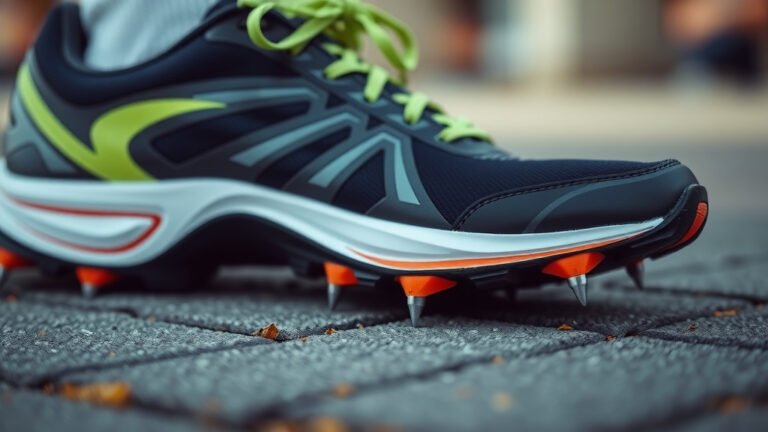
Let’s dive a little deeper into why this happens. It’s all about the friction and pressure your toes experience during a run. When your foot strikes the ground, your toes naturally want to splay a bit. If your shoes are too short, too narrow, or not laced tightly enough, your toes can jam into the front of the shoe.
Repetitive Impact and Micro-Trauma
Think of it like this: every single step you take is a tiny impact. For runners, these impacts happen hundreds or thousands of times on a single run. If your toenails are hitting the shoe with each step, it creates micro-trauma. This isn’t usually a single, dramatic injury. Instead, it’s a cumulative effect.
Research points to the repetitive jarring motion as a primary cause of bleeding under the nail (NCBI). The nail bed contains many tiny blood vessels. When these are repeatedly bumped, they can rupture, causing blood to pool beneath the nail. This pooled blood is what gives the nail its dark, bruised appearance.
The Role of Shoe Fit
Your running shoes are your most important piece of gear. An ill-fitting shoe is the most frequent culprit. We’ve found that even a small amount of extra space can cause problems. When your foot slides forward inside the shoe, your toes bear the brunt of the impact.
Too Short or Too Narrow
If your shoes are too short, your toes will hit the end of the shoe with every stride, especially on downhill sections. If they’re too narrow, your toes get squeezed together, also leading to pressure and friction against the nail. Many shoe companies offer wider widths, which can be a lifesaver.
Lacing Techniques Matter
Sometimes, it’s not the shoe itself, but how you’re lacing it. If your shoes are too loose, your foot can slide forward. Have you tried a different lacing pattern? Techniques like heel-locking can help keep your foot snug and prevent excessive movement within the shoe. We’ve seen many runners benefit from adjusting their lacing.
What About Your Socks?
Don’t forget about your socks! Thin, worn-out socks can offer less cushioning and grip. They might even bunch up inside your shoe, creating extra friction points. Moisture-wicking socks are also important. Wet feet can lead to increased slippage within your shoes, making the problem worse.
Other Factors Contributing to Black Toenails
While shoe fit is the main reason, a few other things can play a role. Understanding these can help you prevent future issues.
Nail Length and Condition
Having long toenails can definitely contribute to the problem. If your nails are too long, they are more likely to catch or jam against the front of your shoe. Keeping your toenails trimmed properly is a simple but effective preventative measure. You want them to be flush with the end of your toe, or just slightly shorter.
Foot Anatomy and Biomechanics
Sometimes, your foot shape or how you run can make you more prone to black toenails. For example, if you have very long second toes, they might be the ones that take the most impact. Certain biomechanical issues, like overpronation, can also affect how your foot lands and the pressure on your toes.
Sudden Impacts vs. Chronic Issues
While we’ve focused on the repetitive nature of running, a single, hard impact can also cause a black toenail. Dropping something on your foot or stubbing your toe hard can lead to bleeding under the nail. However, for runners, it’s usually the constant, low-level trauma that causes the darkening over time.
When to Be Concerned About a Black Toenail
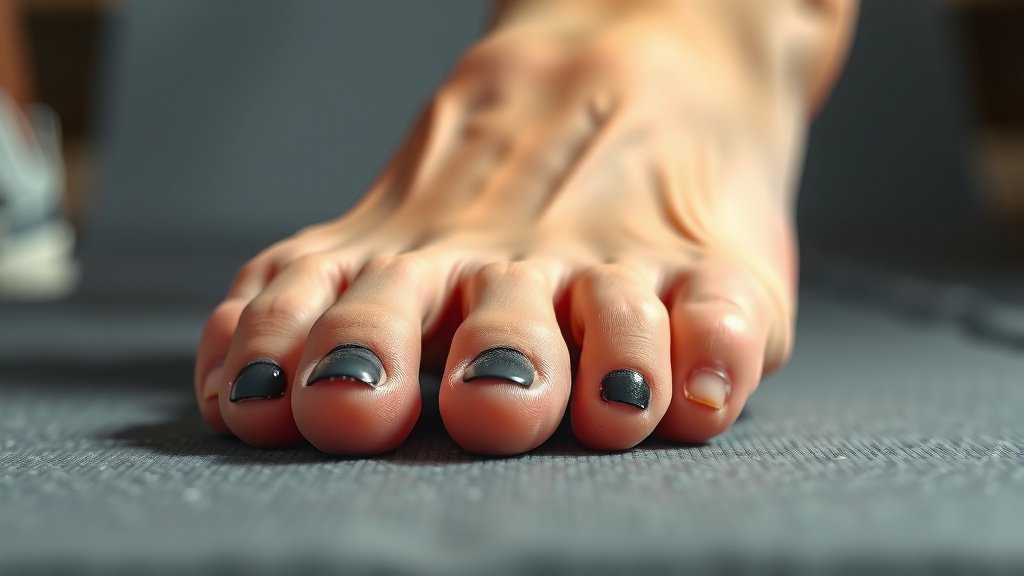
Most of the time, a black toenail from running is just a cosmetic issue and a sign that your shoes might need adjusting or replacing. However, there are times when you should seek medical advice.
| Symptom | What It Might Mean |
|---|---|
| Severe pain | Could indicate a fracture or significant bleeding. |
| The nail is completely detached | Requires proper care to prevent infection. |
| Signs of infection | Redness, swelling, pus, or foul odor. |
| The dark spot doesn’t grow out | Could be something other than blood, like a fungal infection or a mole. |
If you experience any of these symptoms, it’s a good idea to consult a doctor or a podiatrist. They can properly diagnose the issue and recommend the best course of action. Many guidelines suggest seeing a professional if the pain is intense or if you suspect infection (Cleveland Clinic).
Preventing Future Black Toenails: A Quick Checklist
Here are a few easy steps you can take to avoid those painful dark nails:
- Ensure your running shoes have about a thumb’s width of space at the toe.
- Try different lacing techniques to secure your heel.
- Keep your toenails trimmed short and straight across.
- Wear moisture-wicking running socks.
- Consider trying wider shoes if your toes feel cramped.
- Listen to your body and address any discomfort early.
Conclusion
Understanding what causes black toenails is key to enjoying your runs without discomfort. We’ve learned that the primary culprits are repetitive trauma and friction, often stemming from shoes that don’t fit perfectly. Your toenails hitting the front of your shoe, especially on downhills or during quick stops, leads to bleeding under the nail. Remember, keeping your toenails trimmed and ensuring a proper shoe fit with good socks are your best defenses. Pay attention to your feet, and don’t hesitate to adjust your gear or seek professional advice if you experience persistent pain or suspect an infection. Take these steps to keep your feet happy and your running stride strong!
Frequently Asked Questions
How long does a black toenail from running typically take to heal?
A black toenail usually grows out with your nail, which can take several months to a year. You don’t typically need to do much besides wait for the healthy nail to push the damaged part forward. Keep it clean and avoid further trauma.
Can I still run with a black toenail?
Yes, you can usually continue running as long as there isn’t severe pain. If the pain is significant, you might need to reduce mileage or take a short break. Some runners find relief by gently draining the blood, but it’s best to consult a professional first.
Are black toenails a sign of a fungal infection?
While the appearance can sometimes be similar, black toenails from running are typically caused by bleeding under the nail due to trauma. Fungal infections usually cause thickening, discoloration (often yellow or white), and brittle nails. If you’re unsure, a doctor can diagnose the cause.
Should I try to drain the blood from a black toenail myself?
It’s generally recommended to have a healthcare professional drain a black toenail to avoid infection. If you choose to do it yourself, ensure you use sterile equipment and follow proper cleaning procedures to minimize risks.
How can I tell if my running shoes are too big or too small?
You should have about a thumb’s width of space between your longest toe and the front of the shoe. Your heel should feel secure, and your foot shouldn’t slide forward when you walk or run downhill. If your toes feel cramped or your heel slips excessively, the fit may be off.