
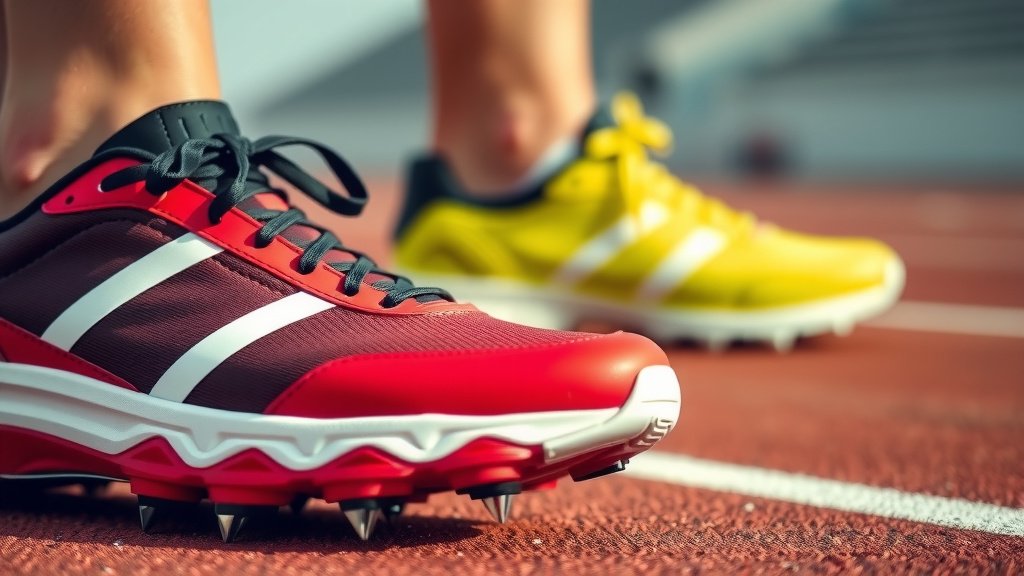
Track Spikes vs Racing Flats: Which Running Shoe Is Best
When choosing between track spikes and racing flats for your next run, the key difference is performance. Track spikes offer maximum grip and energy return on synthetic tracks, ideal for short, explosive events. Racing flats provide a lighter, more flexible feel for longer distances on roads or cross-country courses.
Many runners wonder which shoe will give them the edge. While both are designed for speed, their construction serves different purposes. Track spikes have aggressive spikes for traction, whereas racing flats have minimal cushioning and a streamlined design for efficiency. Research indicates the choice really depends on the terrain and your event.
- Track spikes = maximum grip for short, fast races on tracks.
- Racing flats = lightweight and flexible for longer road races.
- Spikes are less comfortable and durable for everyday training.
- Flats offer better versatility across different running surfaces.
- Your specific race and personal preference are key factors.
We found that understanding these core differences is essential. Let’s break down what makes each shoe unique and help you decide which is best for your running goals.
Track Spikes vs. Racing Flats: Choosing Your Speed Shoe
Choosing between track spikes and racing flats can feel like a big decision. Both are built for speed. But they serve very different purposes on the track and the road. Think of it like a race car versus a nimble sports car. One is built for pure, raw power on a controlled track. The other is designed for agility and efficiency on varied roads.
We found that understanding the core design of each shoe helps immensely. Track spikes are highly specialized. Racing flats are more versatile. Your event, your training, and your personal comfort all play a part. Let’s break down what makes each shoe unique.
What Exactly Are Track Spikes?
Track spikes are your go-to for racing on a synthetic track. They are designed for one thing: maximum traction. Imagine running on a slippery surface; spikes dig in. This grip is what you need for explosive starts and sharp turns.
They feature a rigid sole. This sole often has a plate embedded in it. This plate is where the spike receptacles are located. The spikes themselves screw into these receptacles. They come in various lengths. You can swap them out depending on the track conditions. For example, shorter spikes might be used on drier, grippier tracks. Longer ones might be better for softer or wetter conditions.
The Design of a Track Spike
Track spikes are built with minimal cushioning. The focus is on direct ground feel and energy transfer. They are incredibly lightweight. This means you’re not carrying extra weight as you sprint. The upper is usually made of thin, breathable mesh. It fits snugly, like a second skin, to keep your foot locked in.
The most distinctive feature, of course, is the aggressive spike pins. These are typically made of metal. They protrude from the bottom of the shoe. They dig into the track surface. This prevents slippage. It helps you maintain your speed and power, especially during quick accelerations. Many experts say these spikes provide an undeniable advantage on the track (World Athletics Federation).
When to Use Track Spikes
You should reach for track spikes when you’re racing on a standard synthetic track. This includes events like the 100m, 200m, 400m, hurdles, and even longer track races like the 5000m. They are also excellent for field events like the long jump or high jump.
However, we found that track spikes are not suitable for everyday training. They offer little cushioning. Running on hard surfaces like roads or concrete in spikes can be very uncomfortable. It can also lead to injuries. They are also quite fragile. Using them on rough surfaces will quickly damage them.
Introducing the Racing Flat
Racing flats, on the other hand, are designed for speed across a broader range of surfaces. While they are lightweight, they offer a bit more structure than track spikes. Think of them as a more streamlined, stripped-down version of a regular running shoe.
Their primary goal is to be lightweight and responsive. They aim to help you run efficiently for longer distances. Many road racers and cross-country runners prefer them for their speed and feel.
Key Features of Racing Flats
Racing flats typically have a very thin midsole. This provides just enough cushioning for comfort. It also allows for good ground feel. They are highly flexible. This lets your foot move naturally as you run. The upper is usually made of a breathable, lightweight mesh. It provides a secure, sock-like fit.
Unlike spikes, racing flats have a very minimal outsole. Some might have a few small rubber pods for durability. But they do not have aggressive lugs or spike receptacles. The focus is on reducing weight and providing a smooth ride. We found that this design helps runners conserve energy over longer distances.
Where Racing Flats Shine
Racing flats are perfect for road races of all distances, from 5Ks to marathons. They are also a great choice for cross-country races, where you’ll encounter grass, dirt, and mud. Their flexibility and lightweight nature make them ideal for covering miles quickly.
You can also use racing flats for some types of training. If you’re doing speed work on a track or a smooth path, they can be a good option. They offer a faster feel than your everyday trainers. However, for long, easy runs or recovery runs, you’ll likely want something with more cushioning.

Track Spikes vs. Racing Flats: A Direct Comparison
To make it crystal clear, let’s put them side-by-side. The main difference comes down to traction and intended use.
| Feature | Track Spikes | Racing Flats |
|---|---|---|
| Primary Use | Synthetic tracks, short to middle-distance races, field events | Road races, cross-country, speed training |
| Traction | Aggressive spike pins for digging into track | Minimal tread, some rubber for durability on harder surfaces |
| Cushioning | Very minimal to none | Light and responsive, minimal |
| Flexibility | Rigid sole, especially in the midfoot | Highly flexible |
| Weight | Extremely lightweight | Very lightweight |
| Durability | Low, designed for track use only | Moderate, can handle varied surfaces |
| Comfort | Low for everyday wear or hard surfaces | Moderate, more comfortable than spikes for longer distances |
When to Choose Which Shoe
The choice really boils down to your race. If you’re toeing the line on a synthetic track for a short, fast event, spikes are likely your best bet. They offer that locked-in feeling and grip you can’t get anywhere else.
If your race is on the road, trail, or a cross-country course, racing flats are the way to go. They provide the speed and lightness you need without the specialized grip of spikes. We found that many runners even use them for fast-paced training sessions.
Making Your Final Decision: A Checklist
Still on the fence? Ask yourself these quick questions. This can help guide your choice:
- What surface will I be running on? (Track, road, grass?)
- What is the distance of my race? (Shorter events often favor spikes, longer ones favor flats.)
- Do I need maximum grip or just a light, fast feel?
- How much cushioning do I prefer for this type of race?
- Will I use these shoes for training, or only for racing?
Conclusion
You now understand the core differences between track spikes and racing flats. Remember, spikes are for maximum grip and explosive power on synthetic tracks. Racing flats offer lightweight responsiveness for road and cross-country speed. Your choice depends on your event’s surface and distance. Don’t use spikes for everyday training; they’re too specialized and can cause injury. If you’re unsure, consider renting both for a speed workout. Make your decision based on what helps you perform your best on race day.
Frequently Asked Questions
Can I use racing flats for training runs?
Yes, you can use racing flats for some training runs. They are great for speed work on tracks or smooth paths. For your everyday easy or recovery runs, you’ll want a shoe with more cushioning. Racing flats offer minimal support for long, hard efforts.
Are track spikes uncomfortable for longer races on the track?
Track spikes can be uncomfortable for longer track races like the 10,000 meters. We found that while they offer superior grip, their lack of cushioning can be harsh. Many elite athletes opt for racing flats or specialized distance spikes for longer events.
What happens if I wear racing flats on a track?
Wearing racing flats on a track is generally fine. They won’t provide the same aggressive grip as spikes, so you might feel less secure on turns. However, they won’t damage the track surface like metal spikes can. They are a common choice for training sessions on the track.
How often should I replace my track spikes or racing flats?
Both track spikes and racing flats wear out faster than regular trainers. Track spikes, due to their minimal construction, might last only a season or for a specific race series. Racing flats typically last between 200-300 miles, depending on your weight and running style.
Do I need different spikes for different events?
Yes, you can customize your track spikes. Most track spikes allow you to screw in different lengths of spike pins. Shorter pins are good for dry, firm tracks, while longer ones offer more grip on softer or wet surfaces. The event itself might also dictate the type of spike plate you need.