Best Running Shoes for Wide Feet: Your Buying Guide
Choosing the right running shoes for your wide feet is all about finding a shoe with a generous toe box and a supportive midfoot. Many brands offer shoes in specific wide widths (like 2E or 4E for men, D or 2E for women) that provide the extra room you need. Don’t settle for shoes that pinch; your feet deserve comfort on every run!
Finding running shoes that fit properly is key to preventing blisters and discomfort. For those with wider feet, this can sometimes feel like a challenge. We’ve researched and found that focusing on brands known for their wider options and understanding specific width designations can make all the difference. Your feet will thank you for the extra space and proper support.
- Look for shoes with a wide toe box.
- Check for specific wide width options (2E, 4E, D).
- Consider brands known for accommodating wider feet.
- Try shoes on later in the day when feet are slightly swollen.
Ready to find your perfect pair? Let’s walk through exactly how to choose running shoes that will make your wide feet feel happy and supported mile after mile.
Finding the Right Fit: Running Shoes for Wider Feet
Selecting running shoes that accommodate wider feet doesn’t have to be a puzzle. The key is to know what to look for. You want a shoe that feels snug in the heel and midfoot but offers ample space in the forefoot. This prevents your toes from being squished together. We found that many runners with wider feet struggle with standard-width shoes.
Understanding Width Designations
Shoe widths are designated by letters. These can differ slightly between men’s and women’s sizing. Generally, ‘D’ is considered a standard width for men. ‘2E’ and ‘4E’ are common designations for wide and extra-wide men’s shoes. For women, ‘B’ is typically standard. ‘D’ and ‘2E’ are often used for wide and extra-wide women’s shoes. Always check the specific brand’s sizing chart.
What to Look for in a Running Shoe
When you’re shopping, keep a few key features in mind. These will help you find a shoe that truly supports your stride. Pay attention to the shape of the shoe. Does it look naturally wider in the toe box area?
The Toe Box: Your Pinky’s Best Friend
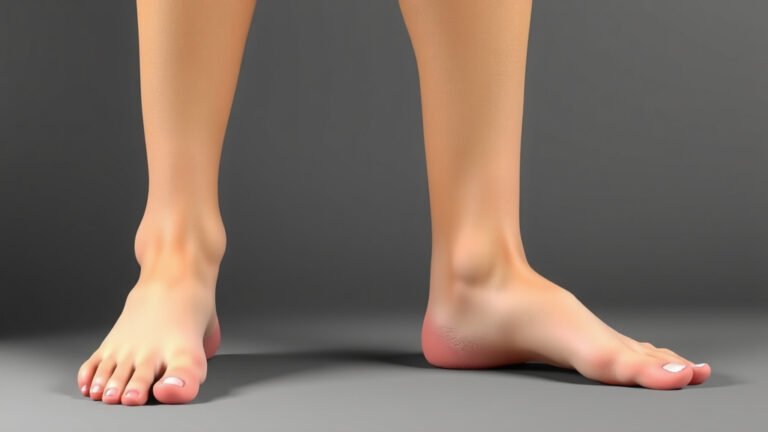
The toe box is perhaps the most important part for wider feet. You need enough room for your toes to splay naturally. When you stand, your toes shouldn’t feel compressed against the front or sides of the shoe. Many research articles suggest toe splay is vital for balance and shock absorption (American Podiatric Medical Association). A cramped toe box can lead to blisters, bunions, and general discomfort.
Midfoot Support: Not Too Tight, Not Too Loose
While the toe box needs to be roomy, the midfoot should offer a secure fit. You don’t want your foot sliding around inside the shoe. This can cause friction and instability. Many running shoes designed for wider feet still offer excellent arch support and a snug heel counter. This combination provides the best of both worlds.
Flexibility in the Right Places
A good running shoe should flex where your foot naturally bends. This is typically at the ball of your foot. If a shoe is too stiff, it can force your foot into an unnatural position. This leads to strain. We found that shoes with a good flex point feel more natural and responsive on your run.
Tips for Trying on Running Shoes
Trying on shoes is an essential step. It’s more than just slipping them on. There are a few tricks to ensure you get an accurate feel. Many experts recommend trying shoes on later in the day.
Shop When Your Feet Are at Their Largest
Your feet naturally swell throughout the day. They also tend to swell during and after exercise. Trying on shoes in the afternoon or evening gives you a more realistic idea of how they’ll fit during your runs. This simple step can prevent you from buying shoes that feel good initially but become uncomfortable later.
Bring Your Running Socks
Always wear the type of socks you typically run in when trying on new shoes. Running socks are often thicker than everyday socks. Using your usual running socks ensures you’re assessing the fit accurately. The thickness of your socks can make a noticeable difference.
Walk and Jog Around the Store
Don’t just stand there! Walk around the shoe store. If possible, jog a bit on a hard surface. How does the shoe feel with each step? Does it pinch anywhere? Is there enough room for your toes to move freely? Pay attention to any hot spots or areas of pressure.
| Gender | Standard Width | Wide Width | Extra Wide Width |
|---|---|---|---|
| Men | D | 2E | 4E |
| Women | B | D | 2E |
Brands Known for Wider Options
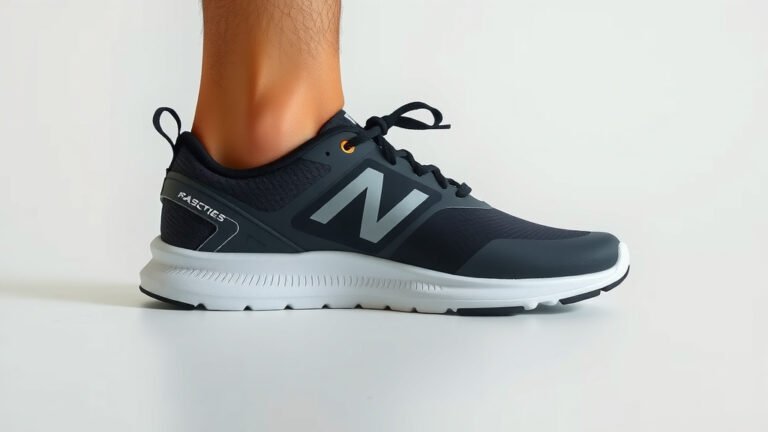
Some brands have a reputation for offering a more generous fit. They often have specific lines or models available in wide widths. Doing a bit of research can save you time. We found that brands like New Balance and Brooks are frequently recommended for wide feet.
- New Balance: Known for offering a wide range of widths in many of their popular running models.
- Brooks: Many of their shoes come in 2E and 4E options for men, and D and 2E for women.
- Saucony: Offers some models in wide widths, making them a good option to consider.
- ASICS: You can often find their popular shoes available in wide sizing.
Remember that even within a brand, the fit can vary from one model to another. It’s always best to try them on.
When to Consider Customization or Professional Help
If you’ve tried multiple brands and styles and still can’t find a comfortable fit, don’t despair. Sometimes, your foot shape is unique. You might benefit from a professional fitting. Many specialty running stores have staff trained to analyze your gait and foot shape.
They can recommend shoes based on your specific needs. For very wide feet or those with other foot conditions, custom orthotics might be a solution. These can be inserted into a standard shoe to provide extra support and cushioning tailored to you. Podiatrists can also offer guidance. They help address any underlying foot issues.
The Checklist for Your Next Shoe Purchase
Here’s a quick rundown to keep in mind:
- Check for wide width designations (2E, 4E, D).
- Ensure a roomy toe box where toes can splay.
- Verify a secure, non-slipping midfoot and heel.
- Try shoes on later in the day with your running socks.
- Walk and jog in them to test the fit and flex.
- Don’t be afraid to ask for help at a specialty store.
Conclusion
Finding the perfect running shoes for your wide feet is absolutely achievable. Remember to focus on the toe box room and the width designations like 2E or 4E. Brands like New Balance and Brooks are excellent starting points. Always try shoes on later in the day with your running socks. A proper fit means more comfort and fewer blisters on your runs. Your next step is to head to a reputable running store and apply these tips to find that supportive, spacious pair you’ve been searching for!
Frequently Asked Questions
Can I just buy a larger size if a running shoe is too narrow?
Buying a larger size isn’t the best solution for narrow shoes. While it might add length, it won’t fix the width issue. This can lead to your foot sliding forward, causing heel slippage and toe banging. You’ll be better off looking for shoes specifically offered in wide widths.
How do I know if a shoe’s toe box is wide enough?
You’ll know it’s wide enough if your toes can splay out naturally inside the shoe without feeling squished. When you stand, you should have about a thumb’s width of space between your longest toe and the end of the shoe. There should be no pressure on the sides of your foot.
Are all running shoes from a “wide” brand equally wide?
Not necessarily. Even within brands known for wide options, different models can have varying fits. Some shoes might offer a generous 2E width, while others in the same brand might feel snugger. It’s always best to try on the specific model you’re interested in.
Can I use my everyday shoes for running if they feel a bit wide?
Everyday shoes often lack the specific cushioning and support needed for running. They might not be built to handle the repetitive impact of running. Even if they feel wide, they may not provide the right kind of stability or flexibility, potentially leading to injuries.
What’s the difference between men’s and women’s wide shoe sizes?
Men’s standard width is typically ‘D’, while women’s is ‘B’. A men’s wide is usually ‘2E’ and extra-wide is ‘4E’. For women, ‘D’ is often considered wide, and ‘2E’ is extra-wide. Always check the brand’s specific width chart, as these designations can sometimes vary slightly.