What Is Ground Feel in Running Shoes?
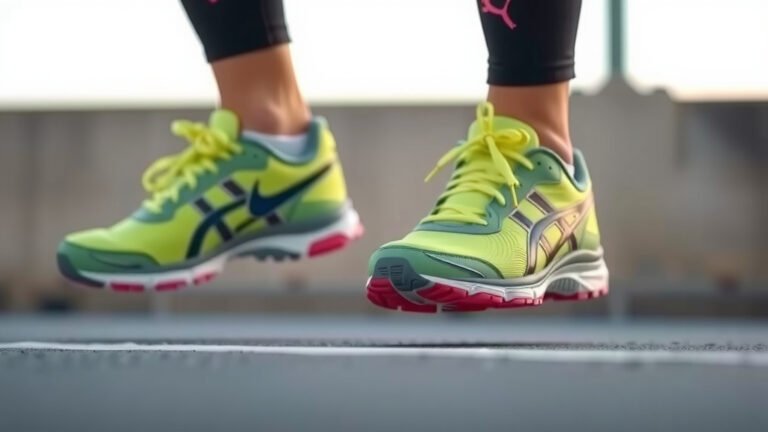
Ground feel in running shoes refers to how much you can sense the surface beneath your feet. It’s about the connection between your foot and the ground. Shoes with good ground feel offer a more direct sensation of the terrain, allowing for quicker adjustments. This can help you run with better form and feel more agile.
Think of it like driving a car with responsive steering. You get immediate feedback. Shoes that offer more ground feel typically have a lower stack height and less cushioning. This doesn’t mean they’re uncomfortable; it just means they provide a different kind of running experience. Many runners find this connection helps them feel more in tune with their stride.
- Ground feel is sensing the surface you’re running on.
- It’s about your foot’s connection to the terrain.
- More ground feel often means less cushioning.
- This connection can help improve your running form.
- It leads to a more agile and responsive feel.
Ready to understand how different shoes provide this sensation? Let’s break down what contributes to ground feel and why it matters for your runs.
Understanding Your Connection to the Ground
So, what exactly is this “ground feel” we’re talking about? It’s how much you can sense the surface you’re running on through your shoes. Think of it as the feedback your feet receive from the road, trail, or track. Shoes with high ground feel let you feel the texture, the bumps, and the subtle shifts in the terrain. This connection can make you feel more agile and aware of your foot strike.
What Influences Ground Feel?
Several factors determine how much ground feel a running shoe offers. The primary driver is the shoe’s construction and the materials used. We’ll dive into the specifics of what creates this sensation.
Stack Height: The Foundation of Feel
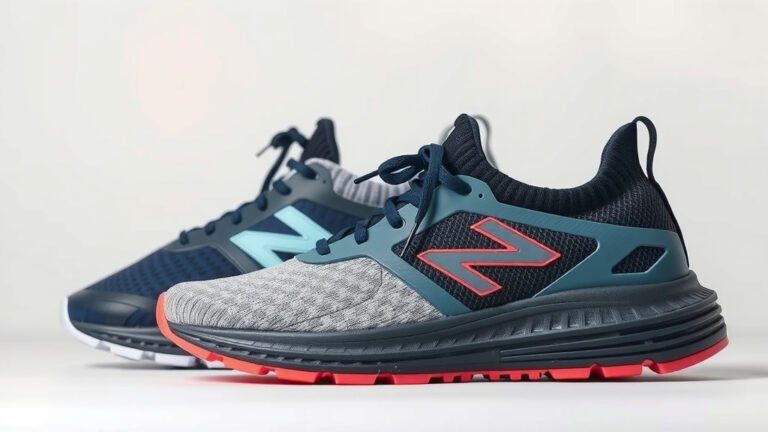
One of the biggest players in ground feel is the stack height. This refers to the amount of material between your foot and the ground. A shoe with a lower stack height means less material. Less material often translates to more direct feedback from the surface. You’ll feel more of what’s under your feet. Research suggests that lower stack heights can promote a more natural foot movement (NCBI). Understanding running shoe drop can also influence how you perceive ground feel.
Midsole Foam Density and Responsiveness
The type of foam in the midsole also plays a big role. Some foams are super soft and plush. They absorb impact really well but can mask the sensation of the ground. Other foams are firmer and more responsive. These transmit more of the ground’s texture. We found that a firmer, less compressible foam generally increases ground feel. It’s like the difference between walking on a cloud versus walking on a firm yoga mat.
Outsole Thickness and Flexibility
The outsole, the rubbery part that touches the ground, affects ground feel too. A thinner outsole allows more of the midsole’s feel to come through. A very thick or stiff outsole can dampen that sensation. Flexibility is also key. A more flexible shoe allows your foot to move more naturally with the ground. This can enhance your sense of connection.
Why Does Ground Feel Matter to Runners?
You might be wondering if this “ground feel” thing is just runner jargon. But for many, it’s a pretty important characteristic. It can actually influence your running mechanics and how you feel during a run.
Improved Proprioception and Form
Proprioception is your body’s ability to sense its position and movement in space. Shoes with good ground feel can help improve your proprioception. When you can feel the ground better, your body can make quicker, more precise adjustments to your stride. Many coaches say this can lead to better running form and a more efficient stride. You might naturally land more softly or adjust your cadence without thinking about it.
A More Agile and Responsive Sensation
Running in shoes with more ground feel often feels more nimble and responsive. It’s like having a direct line to what your feet are doing. This can be particularly beneficial for runners who want to feel connected to their movement or those running on varied terrain. It can make you feel like you’re “running light.”
The Trade-off: Cushioning vs. Feel
It’s important to note that there’s often a trade-off. Shoes designed for maximum cushioning typically have higher stack heights and softer foams. This means they tend to offer less ground feel. The goal of these shoes is to protect your joints from impact. Shoes with high ground feel, conversely, may offer less cushioning. This isn’t to say they’re uncomfortable. It just means they prioritize a different sensation. Many runners find a balance that works best for them.
| Feature | High Ground Feel | Low Ground Feel |
|---|---|---|
| Stack Height | Lower | Higher |
| Midsole Foam | Firmer, More Responsive | Softer, Plush |
| Outsole | Thinner, More Flexible | Thicker, Potentially Stiffer |
| Sensation | Direct, Connected, Agile | Plush, Cushioned, Protected |
Finding Your Ideal Ground Feel
So, how do you figure out what’s right for you? It’s a personal journey, and what feels good for one runner might not be ideal for another. We found that trying different types of shoes is key.
Consider Your Running Goals and Preferences
Are you training for a marathon and want maximum comfort? You might lean towards shoes with less ground feel. Are you a trail runner who needs to feel the terrain for stability? More ground feel could be your friend. Or perhaps you enjoy the sensation of running light and fast for shorter distances. Your personal preferences are the most important guide.
Experiment with Different Shoe Types
Don’t be afraid to try shoes that are known for offering different levels of ground feel. Some shoes are explicitly designed as “minimalist” or “natural running” shoes. Others are built for maximum cushioning. Even within categories, there’s variation. Talk to experts at your local running store. They can often guide you based on your described needs.
To help you think about your own needs, consider this quick checklist:
- Do you prefer to feel the details of the road?
- Are you looking for maximum impact protection?
- Do you want to feel more connected to your stride?
- How much cushioning do you typically like?
- What types of surfaces do you run on most often?
- Does your current footwear feel too “mushy” or too “hard”?
Conclusion
Understanding ground feel is key to finding your perfect running shoe. It’s that direct connection you get with the surface beneath you, influenced by stack height, midsole foam, and outsole design. While more ground feel can enhance agility and form, less offers plush protection. We found that experimenting is the best way to discover your ideal balance. Pay attention to how different shoes feel on your feet and during your run. Your personal preference will guide you to footwear that makes every stride feel just right for you.
Frequently Asked Questions
What’s the difference between ground feel and just feeling the road?
Ground feel is about sensing the terrain’s texture and subtle changes through your shoes. It’s a more direct feedback loop. Simply feeling the road might just be the hardness of the surface. Shoes with good ground feel allow you to feel the nuances of the ground underfoot.
Are shoes with less ground feel bad for my running form?
Not necessarily. Shoes with less ground feel offer more cushioning and protection, which can be beneficial for long runs or if you have impact sensitivities. While good ground feel can aid proprioception, many runners maintain excellent form in highly cushioned shoes by focusing on their stride mechanics.
Can I get more ground feel without sacrificing comfort?
Yes, it’s possible to find a balance. Some modern shoes use responsive foams in lower stack heights that offer a connected feel without being harsh. It’s about finding the right combination of materials and design for your foot and running style. Experimentation is often the best approach here.
Are minimalist shoes the only option for maximum ground feel?
Minimalist shoes often prioritize ground feel, but they aren’t the only choice. Many performance-oriented shoes, even with a moderate stack height, are designed with firmer, more responsive midsoles and thinner outsoles to enhance ground feel. Look for shoes described as “natural running” or “responsive.”
How does running on trails affect the need for ground feel?
Trail running often benefits from good ground feel. It allows you to sense uneven terrain, rocks, and roots, helping you make quicker adjustments for stability and avoiding stumbles. While some cushioning is good for protection, too much can make you feel disconnected and less agile on technical trails.