Running Shoe Terms Explained: A Beginner’s Glossary Guide
Running shoe terms explained in one place: this is your plain-English guide to the words you see on shoe boxes, in reviews, and at the running store. Think heel drop, pronation, and stack height — simple ideas wearing confusing outfits. Once you know the lingo, buying shoes gets a whole lot easier.
Here’s the thing: shoe brands love their jargon. We researched dozens of brand guides and expert reviews and found that most runners skip past these terms — then wonder why a shoe feels wrong after two miles. Whether you’re chasing your first 5K or your tenth marathon, understanding words like gait, rocker, and energy return helps you pick shoes that actually fit your feet.
Quick TL;DR:
- Heel drop is the height difference between the heel and the toe.
- Pronation describes how your foot rolls inward when you land.
- Stack height is how much cushion sits between you and the ground.
- Energy return is the bounce a midsole gives back with each step.
- Stability shoes help guide your foot; neutral shoes let it move freely.
Below, we break down every term you’re likely to run into, one plain-English definition at a time. Grab your current pair of shoes, and let’s decode that shoe-box alphabet soup together.
Key Running Shoe Terms Decoded for Real Runners
Running shoe terms describe how a shoe is built, how your foot moves, and what the shoe does for you. Once you can read this vocabulary, you can walk into any store and compare shoes like a pro. No more nodding politely while a salesperson talks about “10-millimeter drops.”
We dug through brand specs, store guides, and expert reviews, and we found that most confusion comes from just a handful of words. Learn those, and the rest falls into place.
Shoe Anatomy Terms, Simplified
Every running shoe has three basic layers. Picture a sandwich: the part you see, the squishy middle, and the part that touches the pavement.
The Parts You Can See: Upper and Outsole
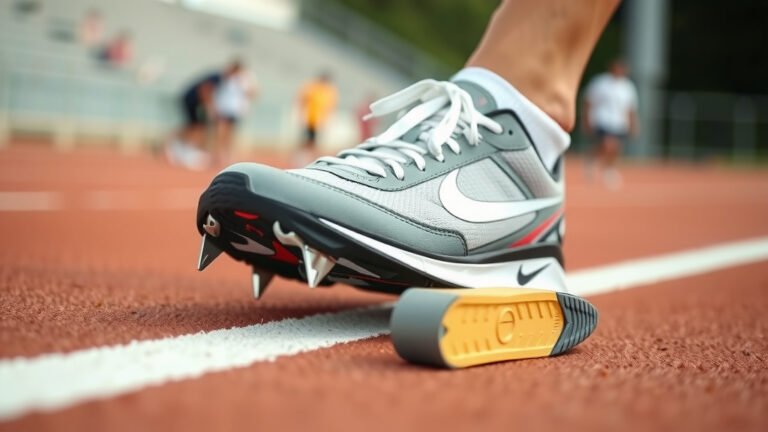
The upper is the fabric top that wraps your foot. When a review says a shoe has a “breathable engineered mesh upper,” it just means the fabric lets air in so your feet don’t cook. The outsole is the rubber bottom. More rubber usually means more grip and more durability.
One more word here: the toe box. That’s the front area where your toes live. Some runners need a wide toe box so their toes can splay out. Others like a snug fit. Neither is wrong.
The Midsole: Where the Magic Lives
The midsole is the foam layer between the outsole and your foot. It’s the single most important part of a running shoe, because it decides how soft, bouncy, or firm each landing feels.
You’ll see foam acronyms like EVA and TPU. EVA is the classic, affordable foam that’s been around for decades. TPU and newer foams (often called “supercritical” foams) cost more but feel lighter and bouncier. Many experts say midsole foam is where most of your shoe budget should go, since that’s what cushions every single step.
Cushioning and Stack Height Terms
Cushioning words trip up more runners than anything else. Here’s the plain-English version.
Stack Height
Stack height is simply how thick the sole is, measured in millimeters. A thin-soled racing flat might sit 20 millimeters off the ground. A max-cushioned trainer might be 40 or more.
Think of it like mattress thickness. Some people love a plush pillow-top mattress. Others sleep fine on a firm one. Research published in sports medicine journals has found that highly cushioned shoes don’t automatically prevent injuries, so pick what feels good rather than what sounds impressive.
Max cushion means lots of foam, like walking on marshmallows. Minimalist means very little foam, so you feel the ground more. Many experts suggest easing into minimalist shoes slowly, because your calves and Achilles will need time to adjust.
Energy Return
Energy return is the bounce a midsole gives back when you push off. Soft foam absorbs impact but can feel sluggish. Bouncy foam springs back, so each stride feels a little cheaper. Carbon plate shoes push energy return furthest — our beginner’s guide explains how they work.
Imagine bouncing a basketball on carpet versus a gym floor. Same ball, different surface, very different bounce. That’s the difference between a dead-feeling foam and a lively one.
Heel Drop in Plain English
Heel drop (also called heel-to-toe drop) is the height difference between your heel and your forefoot. A shoe might stack 30 millimeters at the heel and 20 at the toe, giving a 10-millimeter drop.
Here’s the part that matters: drop changes where the load lands on your legs. We found that lower-drop shoes tend to shift more work to your calves and Achilles, while higher-drop shoes lean on your knees and hips. Studies reviewed by the National Institutes of Health support this load-shifting idea.
Quick rule of thumb from our research:
- 0–4 mm: Ground-feel shoes; demanding on calves.
- 5–8 mm: A middle ground many experienced runners like.
- 9–12 mm: The traditional range; gentle on calves and Achilles.
If you’ve had Achilles tightness or calf strains, many experts say a higher drop is the safer starting point.

Gait and Pronation, Finally Clear
Your gait is just the way you walk or run — your personal stride pattern. Pronation is one piece of that: how your foot rolls inward after it lands. Everyone pronates. It’s your body’s built-in shock absorber.
Problems show up only when the roll goes too far one way or the other.
The Three Pronation Types
When a shoe reviewer mentions pronation, they’re describing one of three patterns:
- Neutral pronation: Your foot rolls inward a normal, healthy amount.
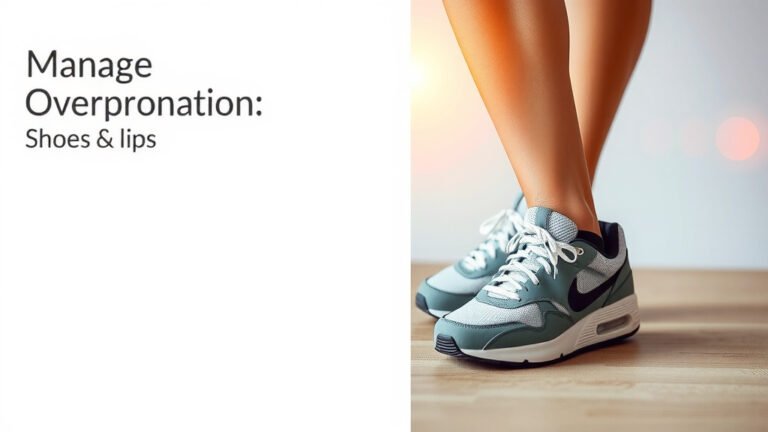
- Overpronation: Your foot rolls inward too much, often linked with flat feet or fallen arches.
- Supination (also called underpronation): Your foot rolls outward, so the outer edge takes the pounding.
How to Figure Out Yours
Try the wet test. Step onto a paper bag or dark towel with a wet foot. A full, flat footprint suggests overpronation. A thin crescent with little connection between heel and toe suggests supination. Something in between? Likely neutral. Our guide to choosing running shoes by foot strike explains what each footprint pattern means for your next pair.
The Cleveland Clinic notes that overpronation is common in people with flat feet, and it can contribute to shin, knee, and hip aches over time. A running store can also film your gait on a treadmill — worth asking for.
Neutral vs Stability vs Motion Control
Shoe categories exist to match your pronation pattern. Here’s a simple comparison you can screenshot for your next store trip:
| Shoe Type | Best For | What It Feels Like |
|---|---|---|
| Neutral | Neutral pronation or supination | A free ride; no added support |
| Stability | Mild to moderate overpronation | Gentle guidance; a hand on your back |
| Motion control | Severe overpronation or heavier runners who need support | Firm and structured; less bend
ConclusionThat’s the whole shoe-box dictionary, decoded. You now know the difference between a plush max-cushion trainer and a lean minimalist one, why heel drop matters for your calves, and how pronation points you toward neutral or stability shoes. We found that runners who understand these terms make faster, smarter choices — and skip the post-purchase regret. Here’s your next step: grab your current pair, check the specs on the box or the brand’s website, and compare them against what your feet actually need. Then take that cheat sheet with you next time you shop. You’ll never nod blankly at a salesperson again. Frequently Asked QuestionsWhat does “rocker” mean in a running shoe?A rocker is a curved sole shape that helps your foot roll from heel to toe instead of bending at the middle. Think of a rocking chair for your foot. It’s designed to smooth out your stride and reduce work for your toes and calves, which many runners find easier on tired legs. Do I need to break in new running shoes?Modern running shoes need far less break-in than old-school leather pairs, but a short adjustment period still helps. We recommend wearing them for a few short, easy runs before any long effort. If a shoe hurts or rubs after three or four outings, that’s a fit problem, not a break-in problem. What is a carbon plate shoe, and do I need one?A carbon plate is a stiff sheet embedded in the midsole of many racing shoes. It works with bouncy foam to propel you forward and reduce fatigue in your calves. Most runners don’t need one for daily training — they shine in races and fast workouts, and they typically cost far more than everyday trainers. What does “heel counter” mean on a shoe?The heel counter is the firm cup at the back of the shoe that holds your heel in place. A rigid one adds structure and limits side-to-side wobble. A softer or missing heel counter gives more freedom of movement, which some runners prefer for easy, relaxed paces. Are running shoe sizes the same as regular shoe sizes?Not always. Most experts suggest going up a half to full size from your casual shoes, because your feet swell and splay during runs. A thumb’s width of space between your longest toe and the end of the toe box is the usual target. When in doubt, size up — blisters and black toenails are no fun. Similar Posts
|