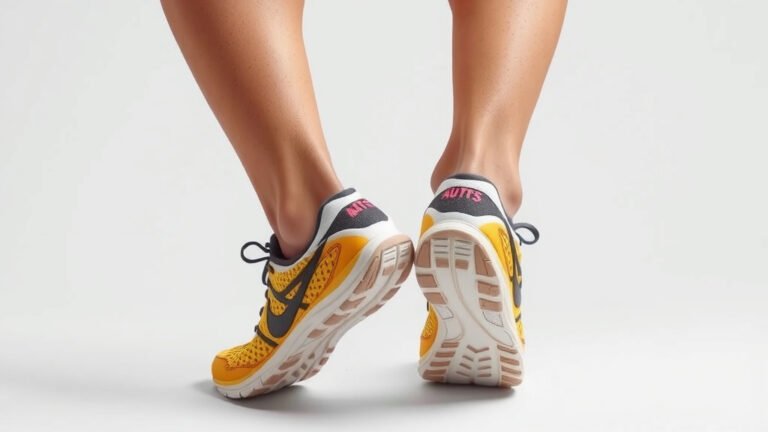
Running Shoe Cushioning Explained: A Guide for Every Runner
Running shoe cushioning is the soft material in the midsole, usually foam, that absorbs impact every time your foot hits the ground. Think of it as your shoe’s built-in shock absorber. The right amount protects your joints and keeps your legs feeling fresh, while the wrong amount can leave you sore and slowing down.
Here’s the thing, though: more cushion isn’t always better. Some runners do best in plush, max-cushion shoes, while others feel more stable in firmer, responsive foam. We dug into what podiatrists and running experts say, and the best choice depends on your body, your stride, and the type of running you do. Confusing? A little. But we can fix that.
TL;DR — Quick takeaways:
- Cushioning is the foam layer that soaks up impact when you run.
- There are three main levels: minimal, moderate, and max cushion.
- Heavier runners and long distances usually call for more cushioning.
- Too much soft foam can feel unstable; too little can beat up your joints.
- Match your cushion to your running style, distance, and comfort — not the hype.
Below, we break down how cushioning actually works, the different types you’ll see on store shelves, and how to pick the right one for your feet. By the end, you’ll shop for shoes like a pro — no sore knees required.
The Science Behind Running Shoe Cushioning
Every time you run, your foot hits the ground with a force that can be two to three times your body weight. Your midsole’s job is to soak up that force and spread it out. Researchers studying running injuries often point to impact loading as a key factor in overuse problems like shin splints and stress fractures (NIH).
So how does a chunk of foam do that? Simple. The foam compresses when you land, then springs back as you push off. It’s like jumping on a trampoline instead of concrete. The trampoline buys your joints a little mercy with every step.
What Happens When Your Foot Strikes
Each landing sends a shock wave up through your foot, ankle, knee, and hip. Cushioning slows that wave down. Softer foam absorbs more of it, while firmer foam passes more of the work back to your muscles and tendons.
Here’s the trade-off: soft foam feels great but can feel wobbly at speed. Firm foam feels stable and snappy but gives your joints less of a break. Neither is wrong. They just serve different jobs.
The Midsole Foams, Explained
Not all foam is created equal. Shoe brands love their own names and trademarks, but almost everything falls into two big buckets.
EVA Foam (The Classic)
EVA stands for ethylene-vinyl acetate. It’s the old reliable of running shoes — light, cheap, and forgiving. The catch? It compresses over time. That’s why experts often suggest swapping running shoes every 300 to 500 miles, a range you’ll see echoed by outlets like Cleveland Clinic.
PEBA and “Super” Foams
Newer foams, like PEBA-based blends, bounce back better and stay lively longer. They’re the reason modern racers feel like they’re running on mini marshmallows that push back. They also cost more, so save them for race day or key workouts if budget matters.
The Three Cushioning Levels Compared
Walk into any running store and you’ll hear three words: minimal, moderate, and max. We found that most shoes slot neatly into one of these buckets, so use this table as your cheat sheet.
| Level | Feel Underfoot | Best For | Watch Out For |
|---|---|---|---|
| Minimal | Thin, firm, close to the ground | Short runs, speed work, ground-feel fans | More impact on joints; slower transition if you’re new |
| Moderate | Balanced — soft but stable | Daily training, beginners, most runners | None major; the safest all-around pick |
| Max | Plush, tall, cloud-like | Long runs, heavier runners, sore-joint days | Can feel unstable on turns and uneven ground |
Many experts say a moderate shoe is the smartest starting point if you’re unsure. You can always go plusher or leaner from there.
Picking the Right Cushioning for Your Runs
Your ideal cushioning isn’t about trends. It’s about you — your body, your miles, and your history of aches.
Your Body Weight Matters
Heavier runners compress foam more, so the same shoe can feel firmer on one person and softer on another. Many coaches suggest heavier runners lean toward sturdier, max-cushion models that hold up under more load. Lighter runners often prefer softer foams that don’t feel like bricks underfoot.
Your Distance and Pace Matter Too
Long runs beat up your legs, so extra cushioning helps when you’re out for 90 minutes. Short, fast workouts are different. A firm, responsive shoe gives you better push-off and less of that sinking feeling when you surge. Our guide to choosing speed work shoes covers how much cushion to trade for pace.
Some runners keep two pairs: a plush trainer for easy miles and a snappier shoe for speed. It’s not fancy. It just works.
Listen to Your Body
Sore knees after easy runs? That’s a nudge toward more cushion. Wobbly ankles on trails? You may want something firmer and lower to the ground. Research on running injuries suggests that big, sudden changes in footwear or mileage raise your risk, so change shoes gradually (NCBI).
If pain sticks around for more than a week or two, skip the shoe-buying guesswork and check in with a podiatrist or physical therapist. Shoes help, but they’re not doctors.
Signs Your Cushioning Isn’t Right
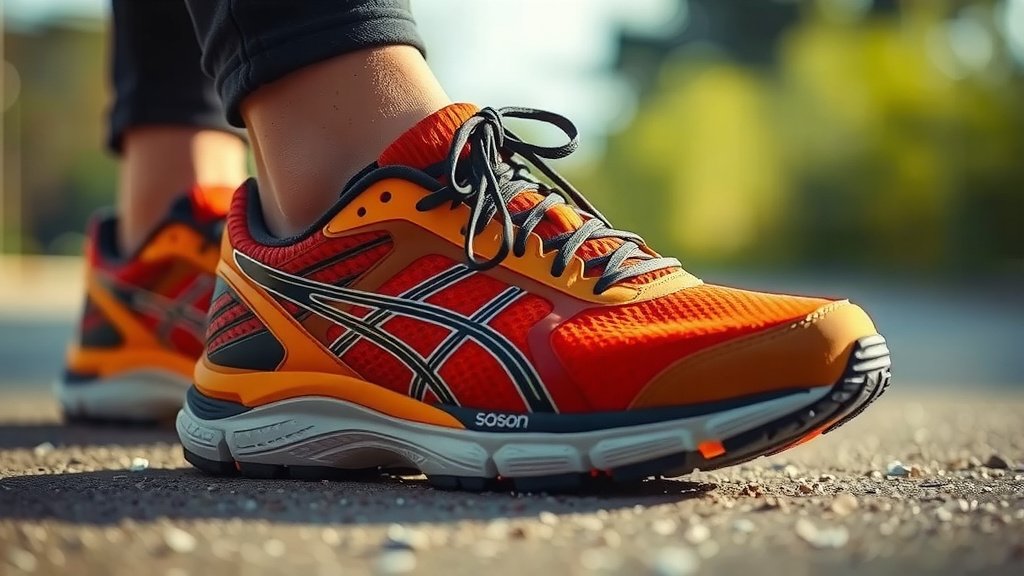
Shoes talk to you — you just have to listen. Here are the classic warnings:
- Your knees or shins ache after normal easy runs.
- You feel every pebble and crack in the sidewalk.
- The shoe wobbles or rolls when you turn a corner.
- Comfort fades after a few miles instead of lasting.
- Old shoes feel flat and dead, even when they look fine.
Quick Checklist Before You Buy
Run through this list in the store (or before you hit “checkout”). It takes two minutes and saves a lot of regret:
- Match the shoe to your typical run, not your dream run.
- Try shoes in the late afternoon, when feet are naturally swollen.
- Jog or walk around for a full minute, not just three steps.
- Check that your toes have a thumb’s width of wiggle room.
- Compare it side by side with your current pair.
- Ask about a test-run return policy — many brands offer one.
One last tip from our research: comfort is the one thing experts agree on. Studies of footwear and injury keep coming back to the same idea — a shoe that feels good to you usually is the right shoe for you (Mayo Clinic). Trust your feet. They’ve been doing this longer than the shoe reviews have.
Conclusion
Cushioning isn’t a one-size-fits-all deal — it’s the foam that absorbs impact, and it comes in minimal, moderate, and max levels. We found that the right pick comes down to your body weight, your typical distance, and how your joints feel after a run. EVA foam keeps things affordable, while newer PEBA foams add bounce for race day. Watch for sore knees, wobbly ankles, and dead-feeling shoes as signs it’s time to rethink your pair. Most runners do well starting with a moderate, comfortable shoe. So here’s your next step: head to a running store, try on three cushion levels, and jog around the block in each. Your feet will tell you everything you need to know.
Frequently Asked Questions
Can I use my cushioned running shoes for walking all day?
You can, and many people do. Just keep in mind that running shoes wear out faster than walking shoes because the foam takes more pounding. If you walk a lot, check the midsole every few months. If it feels flat, that pair is ready for retirement — even if the top still looks great.
Do running shoes lose cushioning if you never wear them?
Yes, slowly. Foam breaks down over time even when it sits in your closet. Most shoe manufacturers suggest replacing unworn shoes after two to three years, since the materials harden and lose their bounce. Buy shoes when you plan to run in them, not years ahead of a sale.
Is more cushioning better for beginners?
Not automatically. Beginners often do fine in a moderate, balanced shoe because it offers both comfort and stability. Max cushion can feel nice, but it may feel shaky on uneven sidewalks. Start moderate, and move plusher or firmer only if your body asks for it.
Why do my new cushioned shoes feel firmer than expected?
Fresh foam often needs a short break-in period. Many runners find the midsole softens slightly after 10 to 20 miles as the foam loosens up. If a shoe still feels like a plank after 30 miles, it’s probably just not the right cushion level for you.
Can I mix cushioning levels in my running routine?
Absolutely — and it’s a smart move. Many runners keep a plush pair for easy miles and a firmer pair for speed days. Rotating two shoes also spreads out wear, so each pair lasts longer. Just swap gradually so your legs get used to the different feels.